India Dismisses Hague Court Ruling on Indus Waters Treaty


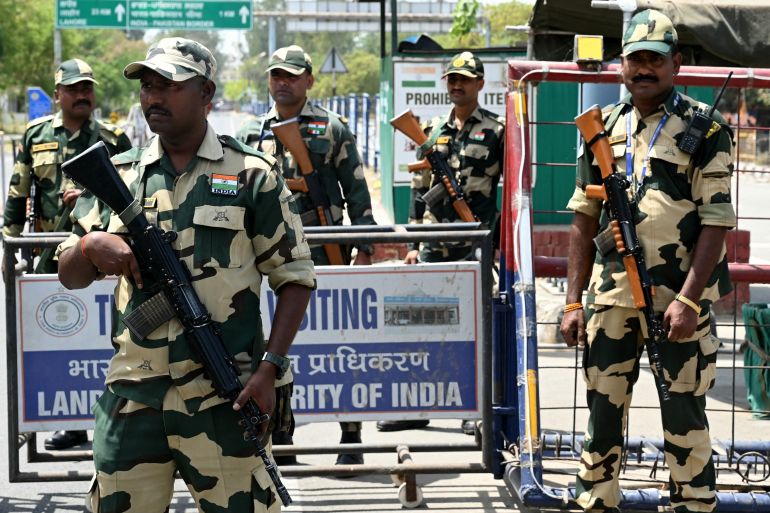
India has firmly rejected a ruling from the Permanent Court of Arbitration in The Hague that ordered the nation to adhere to the 1960 Indus Waters Treaty with Pakistan. The Indian government stated that the tribunal lacks jurisdiction over its sovereign decisions. This decision comes after India suspended the treaty in April 2022, following a terrorist attack that resulted in 26 fatalities at a tourist site in Kashmir, where two of the attackers were identified as Pakistani nationals. Pakistan has denied its involvement in the incident.
The ongoing conflict regarding Kashmir has been a significant factor in the deterioration of the treaty, which had been in place since its enactment. This accord governs the use of river systems that are crucial for Pakistan, supplying water to approximately 80% of the country's agricultural land.
In a statement, the Indian Ministry of External Affairs reiterated its stance, stating that it does not recognise the Hague court and categorically dismisses the ruling. “This so-called Court of Arbitration has no jurisdiction whatsoever to pronounce on India’s sovereign decisions,” the ministry asserted.
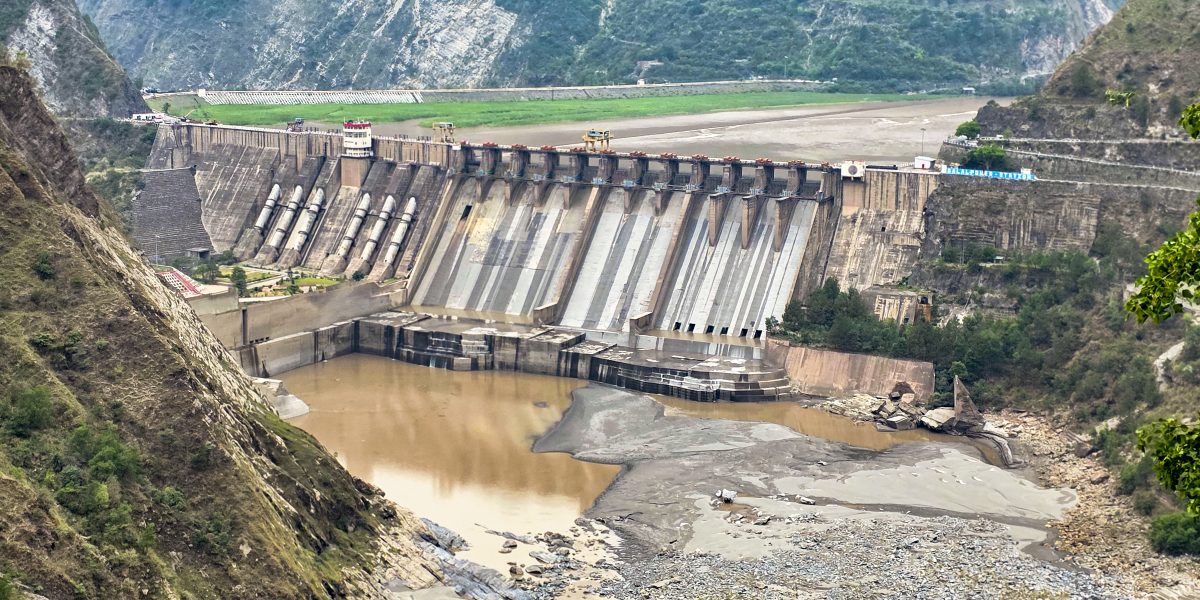
On Monday, the international tribunal ruled that the Indus Waters Treaty remains legally binding and asserted that India had not provided a valid justification for its suspension of the agreement. The tribunal has mandated India to limit its construction activities on the Ratle Hydro-Electric Project in Kashmir, specifically restricting work on the dam wall and the power intake structure above certain thresholds. These restrictions are expected to remain enforced until a decision from a neutral expert appointed by the World Bank is delivered, anticipated by July 2027.
In response to the ruling, Pakistan expressed approval of the tribunal's interim measures and indicated that it is assessing how to facilitate a return to negotiations under the treaty’s established legal framework. The legal proceedings initiated by Pakistan were prompted by India's commencement of work to increase reservoir capacity at two hydroelectric projects in Kashmir, which Pakistan interprets as a violation of treaty obligations.
The dismissal of the Hague court's ruling highlights the ongoing tensions between India and Pakistan, particularly regarding the allocation of water resources in the context of the broader Kashmir dispute. As both nations continue to navigate this challenging geopolitical landscape, the future of the treaty remains uncertain.

Kerala Initiates Probe into 2006 Suicide Case Involving CEC

Extradition of Sheikh Hasina Feasible, Says Indian High Commissioner

Punjabi Makeup Artist Mad Sandhu Shot Dead in Amritsar

India Achieves Fourth Place at Asian Games 2026 Through Late Success