India Defeats Japan by Two Runs in Controversial T20 Match


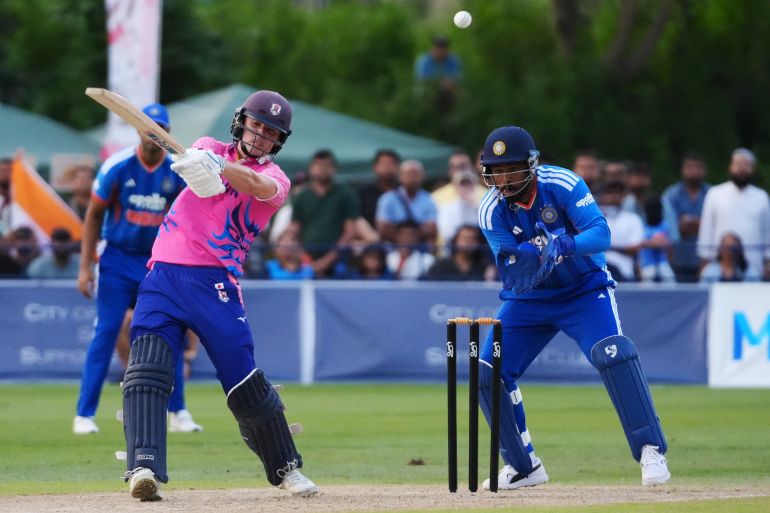
In a closely contested Twenty20 match, India narrowly defeated Japan by two runs at the Sano International Cricket Ground in Japan. The game took place on Tuesday and was part of preparations for the upcoming Asian Games. The match was reduced to five overs per side due to rain, raising the stakes significantly.
India, the reigning ICC Men's T20 World Cup champions, batted first after winning the toss. The team's innings got off to a rocky start as Japanese bowlers launched an aggressive attack, with Charlie Hara-Hinze dismissing Indian opener Abhishek Sharma on the very first ball. This set a challenging tone for India, which lost its second wicket soon after, going to 14-3 at one point.
India managed to post a total of 32 runs for 4 wickets. Captain Shreyas Iyer led the recovery with a quickfire 16 runs off 12 balls before being dismissed in the final over.
Japan began their innings cautiously, aiming for what would have been a historic victory. They lost their first wicket early but steadily built momentum, requiring eight runs from the final over. Axar Patel bowled under pressure and initially conceded just one run before delivering a wide ball. This was a pivotal moment in the match, as the umpires' decision regarding the wide turned controversial.
Initially signalled as a wide, the call drew protests from Iyer and Patel, leading umpires Chris Brown and Chris Thurgate to consult before reversing their decision. The reversal denied Japan an extra run and effectively altered the dynamics of the chase. Following the decision, Japan could manage only three singles in the final over, finishing at 30-3.
This incident sparked significant controversy within the cricket community, with experts and fans alleging undue influence on the umpires. Ben Gardner, a writer for Wisden, described the incident as "disgraceful," suggesting that India had bullied the umpires into changing their call.
The reverse decision left many questioning the integrity of the officiating process, especially since conventional protocols, such as video reviews, were not followed. Cricket laws allow for the revocation of a wide call based on specific criteria, none of which appeared applicable in this situation, adding to the discontent.
Post-match, Japan's captain Kendel Kadowaki-Fleming reflected on the team's performance, stating, "When it gets that tight, it gets a little tough to take. The fact that we were able to run the best team in the world to the last ball speaks volumes." He acknowledged the challenges but expressed pride in his team's efforts.
Shreyas Iyer praised Japan's spirited performance under difficult conditions, acknowledging the game's unpredictability, particularly in a rain-shortened format. He remarked on the high-level competition and the commendable attitude shown by the Japanese players.
The match was significant for Japanese cricket, following diplomatic efforts by the Japan Cricket Association (JCA) to secure a fixture against a top-tier nation. The JCA has been working diligently to promote cricket within Japan, with support from the Japanese government.
As Japan continues to develop its cricketing infrastructure, this narrow defeat against India is seen as a step forward in raising the profile of the sport in the country. While the outcome was disappointing for the home side, their performance left a positive impression on the cricketing community worldwide.
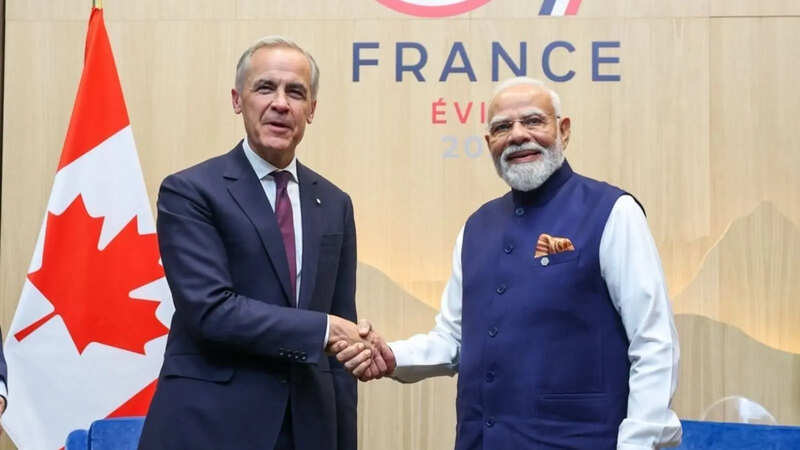
Canada and India Accelerate Trade Talks Ahead of December Visit

Richa Chadha Commends Salman Khan's Stand Against Body-Shaming

Delhi University Students Express Concerns Over Safety After Assault
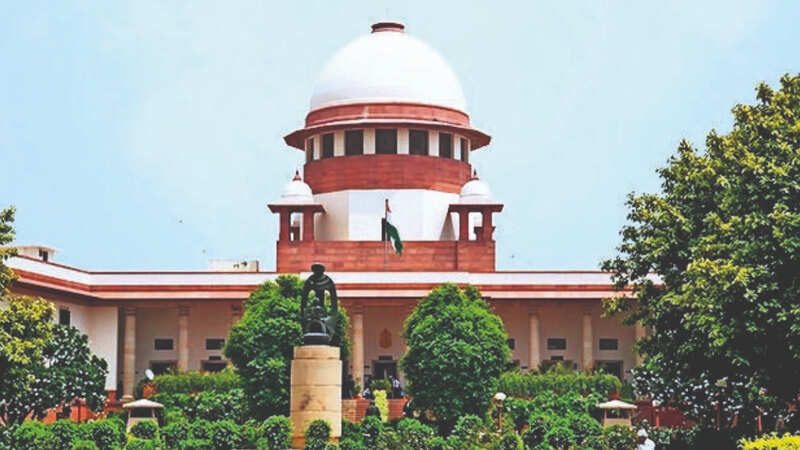
Legal Dispute Arises Over 'Vande Mataram' in Supreme Court Hearing