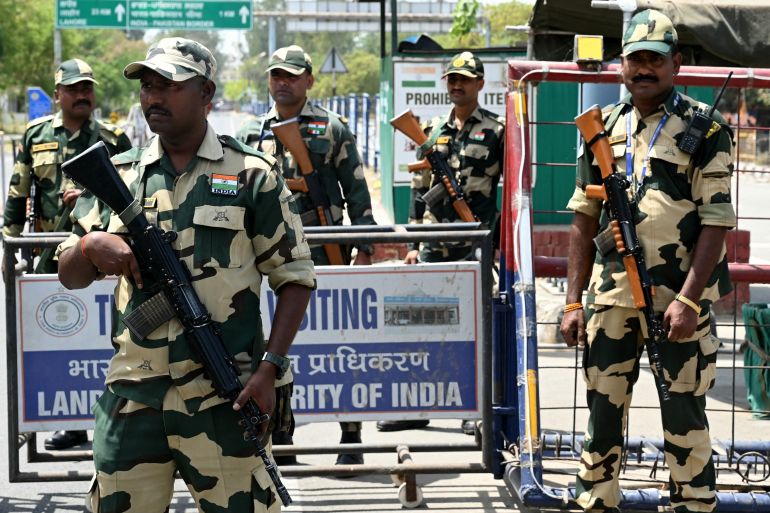
India Criticises Pakistan's Planned Elections in Gilgit-Baltistan


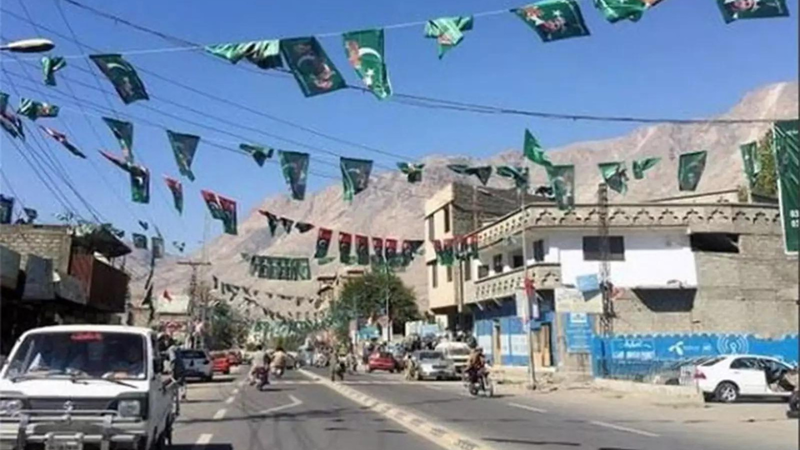
India has formally expressed its discontent regarding Pakistan's intentions to conduct elections in the Gilgit-Baltistan region, referred to by India as Pakistan-occupied Kashmir (PoK). The Indian government has reiterated that Pakistan does not possess any legitimate claim over the territory, and its plans for governance in the region are not recognised by India.
The Ministry of External Affairs (MEA) issued a statement demanding Pakistan to relinquish control over Gilgit-Baltistan, emphasising that these actions contravene United Nations resolutions. The MEA stated, "The entire region of Jammu and Kashmir, including Gilgit-Baltistan, is an integral part of India. Pakistan must vacate illegal occupation of Indian territories."
India has consistently maintained its position on the status of Jammu and Kashmir, considering it a disputed territory under international law, pending resolution between the two nations. The Indian government further asserted that recent moves by Pakistan to integrate Gilgit-Baltistan into its administrative framework undermine its commitment to peaceful resolution of the matter.
Pakistan’s election plans, which are seen as a method to legitimise its control over the region, have been met with strong criticism from Indian officials. The Indian government continues to call for the restoration of the rights of the local populace in Gilgit-Baltistan, who they claim are facing oppression under Pakistani rule.
Gilgit-Baltistan has a strategic geographical significance, bordered by India on one side and Afghanistan on another, making the region a pivotal point in South Asian geopolitics. India's objection to Pakistan's actions demonstrates the long-standing tensions between the two nations, originating from their partition in 1947 and subsequent conflicts over territorial disputes.
The international community has urged both nations to engage in dialogue to resolve their differences. However, as of now, tensions seem to remain high, particularly surrounding issues of sovereignty and governance in contested areas. While the outcome of the proposed elections remains uncertain, India's response highlights the enduring complexities of the Kashmir conflict, which has implications for regional stability and international relations in South Asia.
Kerala Initiates Probe into 2006 Suicide Case Involving CEC
Extradition of Sheikh Hasina Feasible, Says Indian High Commissioner

Punjabi Makeup Artist Mad Sandhu Shot Dead in Amritsar
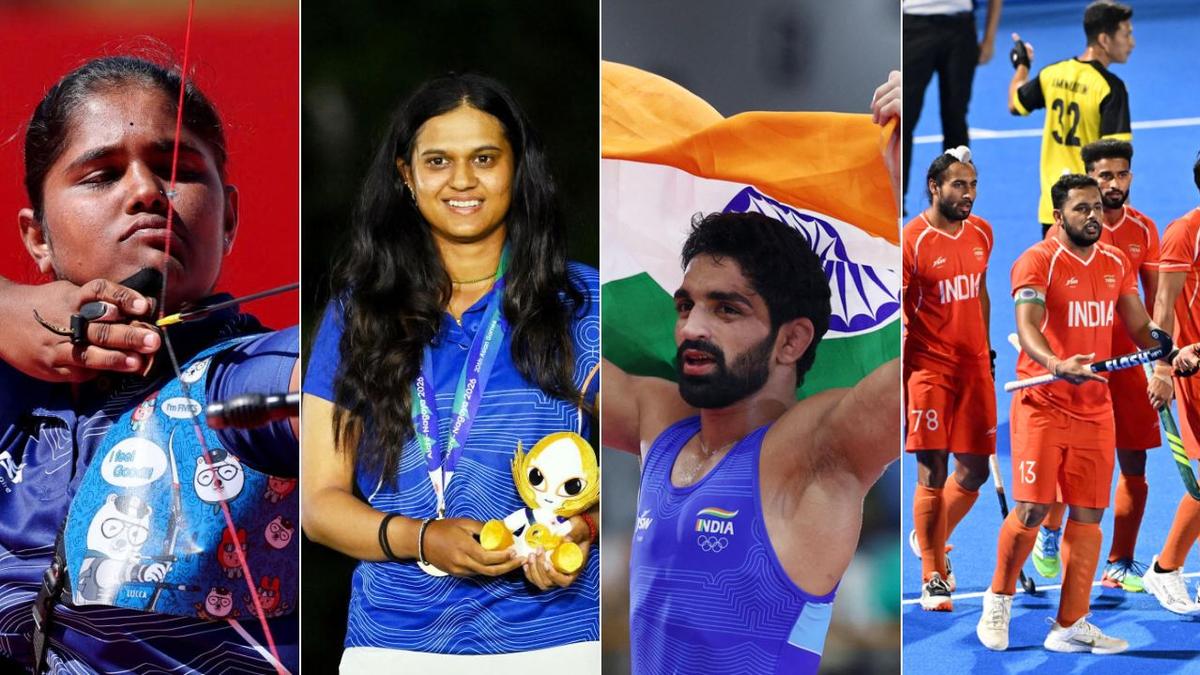
India Achieves Fourth Place at Asian Games 2026 Through Late Success