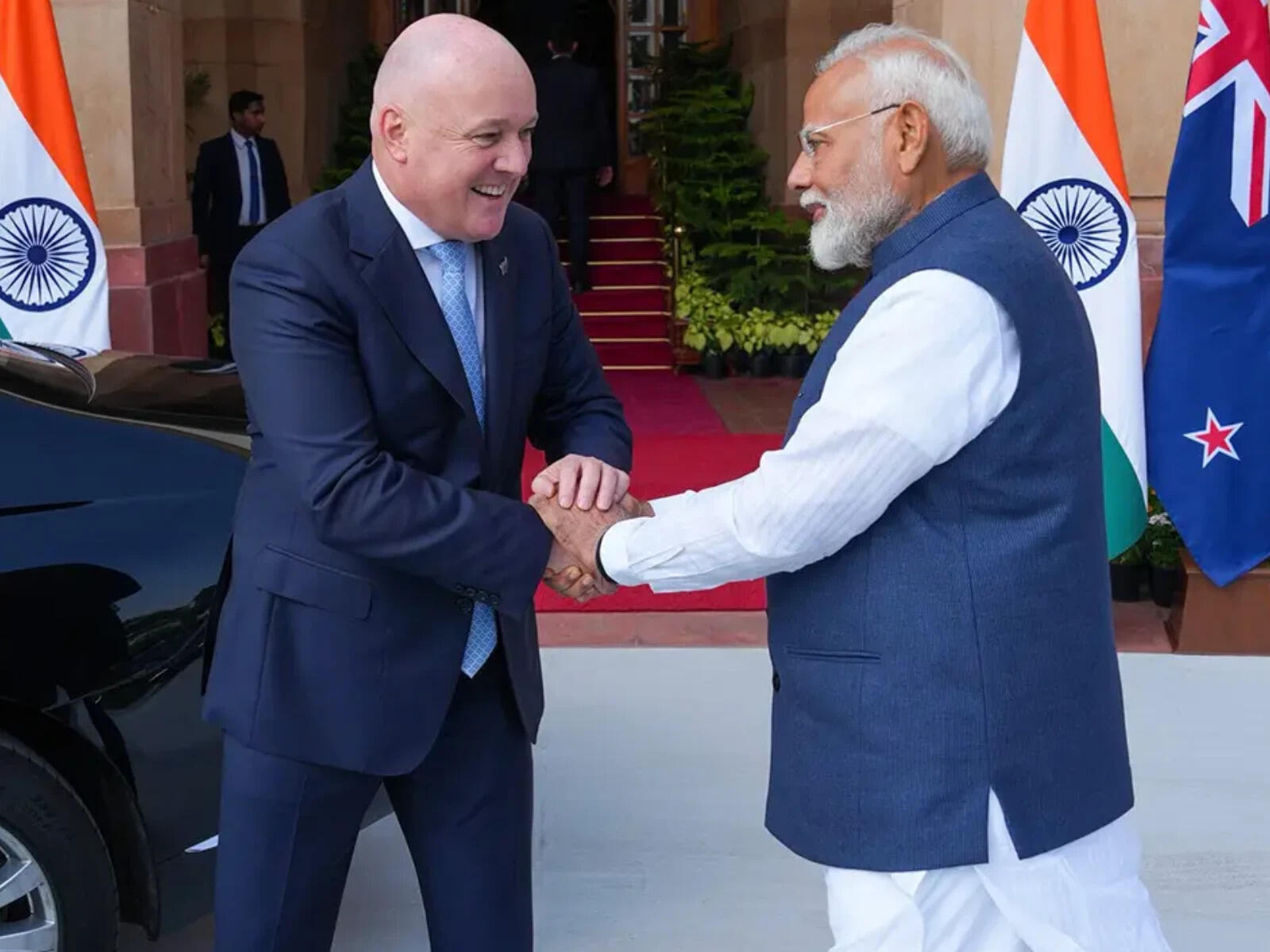
India Collaborates with EU and Canada to Promote Multilateralism


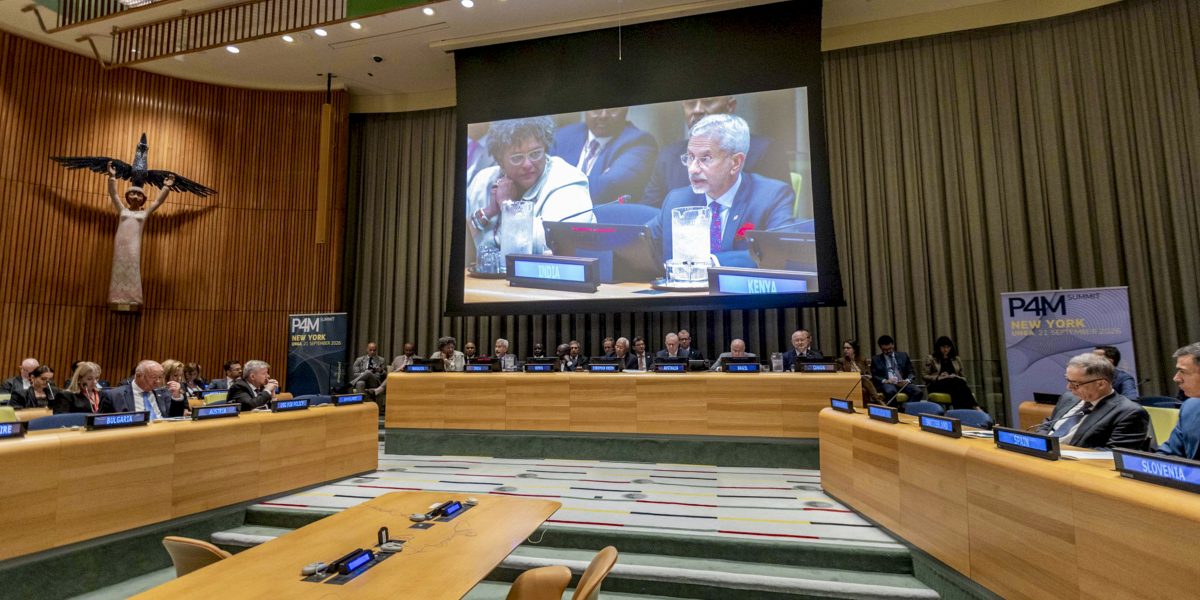
India is joining forces with the European Union and Canada, amongst others, to promote a strong multilateral approach to global governance. The initiative was announced during a gathering on the sidelines of the United Nations General Assembly in New York.
The new coalition, termed Partners for Multilateralism (P4M), seeks to reinforce the principles of international law and multilateral cooperation amid a climate of increasing geopolitical tensions. The core members consist of Australia, Barbados, Brazil, Canada, India, and Kenya, in partnership with the European Union.
External Affairs Minister Subrahmanyam Jaishankar highlighted the group's concerns during the launch. He noted that the world is witnessing “growing polarisation, the spread of conflict, violations of international law, and increasing power politics.” He argued that economic interdependence is sometimes being utilised as leverage, disrupting essential trade and investment flows.
The foundation of the P4M is a direct response to comments made earlier this year by Canadian Prime Minister Mark Carney, who emphasised that middle powers must collaborate in this present climate, stating, “If you are not at the table, you are on the menu.” Such sentiments reflect a shared understanding among member states of the need for proactive engagement in shaping global affairs.
During the summit, various leaders expressed their commitment to a shared governance structure based on fairness and inclusivity. They underscored the necessity for reforming international institutions to enhance effectiveness and representation.
Brazilian Foreign Minister Mauro Vieira remarked on the importance of resisting global influence divisions and affirmed the value of multilateral institutions, such as the United Nations and the World Trade Organisation. Similarly, first-hand accounts of violations against international law were noted, underscoring the urgent need for reform.
Leaders within the coalition also discussed representation concerns, particularly emphasising the needs of smaller and developing nations in global decision-making processes. Kenyan President William Ruto stressed that “Africa cannot remain the only continent without permanent representation” in key international institutions.
The group’s discussions not only touched upon economic concerns but addressed the broader implications of international laws and norms. Jaishankar remarked, “Multilateralism will be best served when international law, rules, and norms are scrupulously observed.”
As India gears up for a potential candidacy for the Asia-Pacific seat on the United Nations Security Council for the 2028-29 term, this collaboration marks an important step in the nation's diplomatic strategy, aiming to amplify its voice in international affairs. The upcoming discussions will likely focus on building a consensus about future frameworks that govern international cooperation, ensuring smaller nations have a say in shaping global policies.
With global dynamics evolving rapidly, this newly forged alliance may prove to be a pivotal movement towards creating a more equitable and just world order. Leaders from the initiative have prioritised the need for trust in multilateral institutions and called for contributions from all member states to foster a collaborative environment.
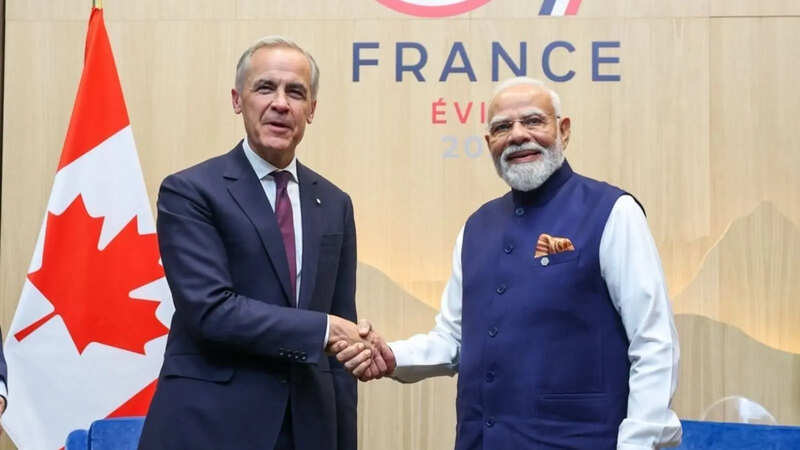
Canada and India Accelerate Trade Talks Ahead of December Visit

Richa Chadha Commends Salman Khan's Stand Against Body-Shaming

Delhi University Students Express Concerns Over Safety After Assault
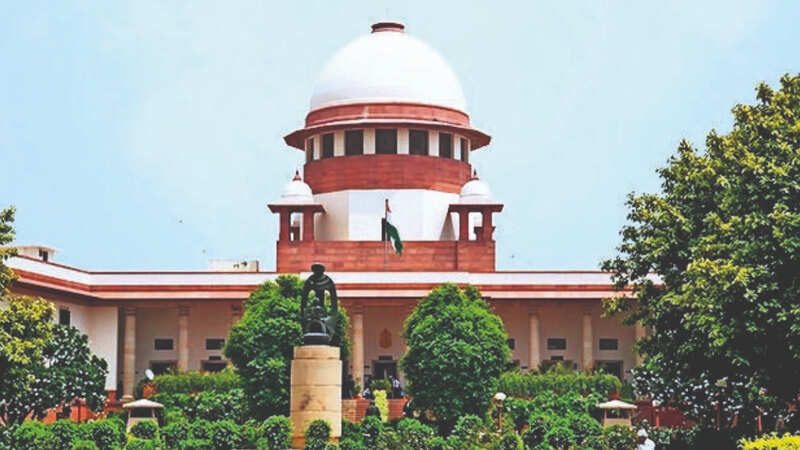
Legal Dispute Arises Over 'Vande Mataram' in Supreme Court Hearing