India's 2026 Budget Expectations: Focus on Insurance and Pensions



As India approaches its 2026 Budget, the insurance sector emerges as a crucial component in the nation's economic strategy. Recent regulatory changes have facilitated growth in this area, yet significant challenges in insurance penetration persist. According to the Insurance Regulatory and Development Authority of India (IRDAI), the country's overall insurance penetration was recorded at 3.7% of GDP in the fiscal year 2024, with life insurance coverage at only 2.8%. This figure remains well below the global average of over 7%. A report by PwC India highlights that less than 10% of the rural population, which constitutes approximately 65% of India’s demographic, possesses life insurance coverage. These statistics underscore the need for enhanced financial protection measures, particularly for under-served communities.
The forthcoming Budget presents a pivotal opportunity to implement policies that improve customer outcomes, promote long-term savings, and align with national financial inclusion objectives.
Equitable Pension Treatment
India's pension landscape faces significant coverage gaps. The National Pension System (NPS) and various formal pension schemes aim to address this issue, yet they currently cover less than 25% of the workforce, according to the Mercer-CFA Institute Global Pension Index 2025. The report positions India at 45th out of 47 countries regarding pension adequacy. While both the NPS and life insurance annuity products are designed to provide retirement income, they are subject to different tax treatments. Life insurance annuity payouts are taxed in full, including the principal amount, which has already been taxed during the earning phase. In contrast, NPS subscribers benefit from additional deductions for self-contributions and employer contributions.
This disparity often sways consumer choices away from the most suitable products. Advocates suggest that a more streamlined tax framework, taxing only the returns on annuity payouts and extending similar deductions to insurance annuity products, would encourage individuals to plan for retirement based on their long-term needs rather than tax incentives.
Promoting Long-Term Wealth Building
In recent years, high-value traditional insurance policies have faced varied tax treatments. Policies where the annual aggregate premium exceeds ₹5 lakh are now taxed at the standard income tax rate, making them less appealing compared to alternatives. Meanwhile, high-value Unit Linked Insurance Plans (ULIPs) with premiums exceeding ₹2.5 lakh enjoy long-term capital gains treatment, which is typically more advantageous. Aligning the tax treatment of traditional insurance policies with that of ULIPs could simplify the tax landscape and attract more individuals, particularly business owners and dual-income families, to integrate savings with protection.
Enhancing Affordability in Rural and Social Insurance
As insurance firms aim to broaden their reach in rural areas, affordability remains a significant barrier. Transaction costs, such as stamp duty, can greatly affect the pricing of low-ticket products. Exempting rural and social sector policies from stamp duty, similar to the provisions under the Pradhan Mantri Jeevan Jyoti Bima Yojana (PMJJBY), could improve accessibility and encourage deeper market penetration.
The insurance sector plays a vital role in bolstering India’s long-term financial resilience. Although progress has been made in increasing access and adapting to customer needs, gaps in penetration and coverage remain concerning. Strategic policy adjustments in the upcoming Budget could foster a more efficient, equitable, and inclusive insurance environment.
Ultimately, ensuring financial security should not be a privilege for a select few; it must be established as a shared foundation for all households. As the sector evolves, the focus will likely shift towards enhancing the quality and transparency of products, promoting trust among consumers, and driving sustained growth.
Kerala Initiates Probe into 2006 Suicide Case Involving CEC

Extradition of Sheikh Hasina Feasible, Says Indian High Commissioner

Punjabi Makeup Artist Mad Sandhu Shot Dead in Amritsar
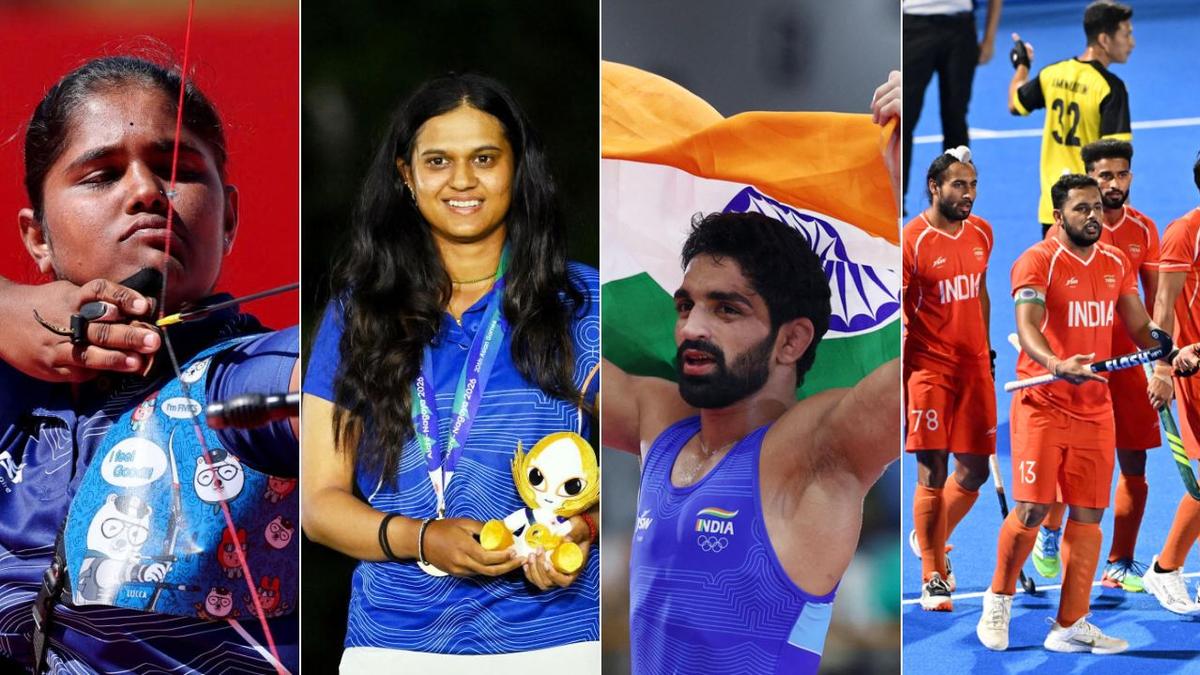
India Achieves Fourth Place at Asian Games 2026 Through Late Success