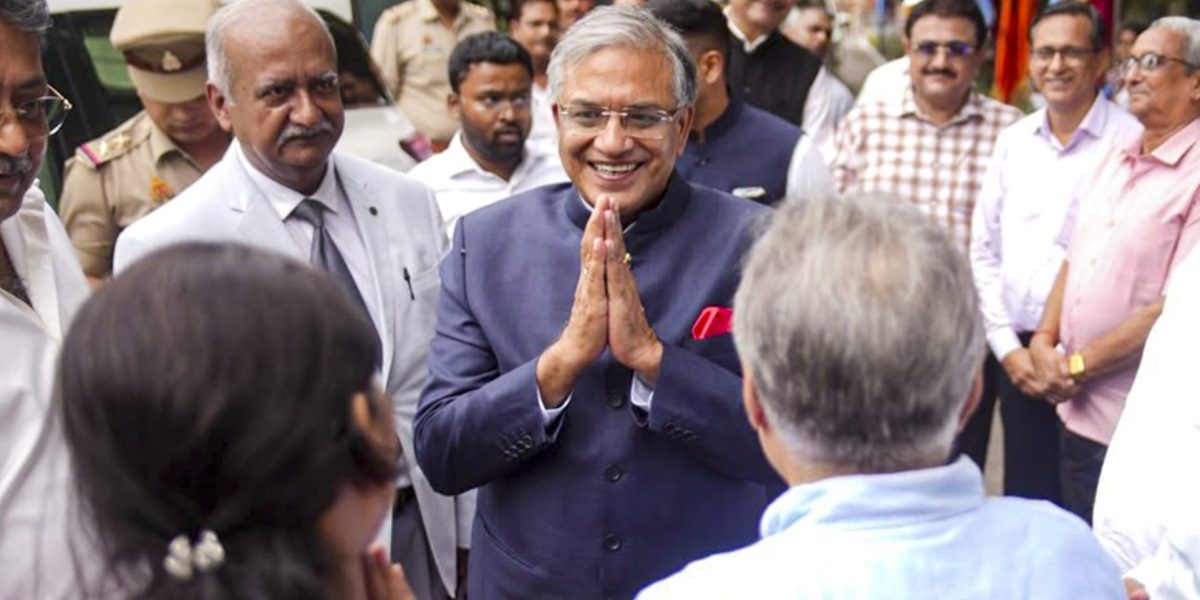
India's Growing Consumer Market Attracts Multinational Corporations



NEW DELHI: The shift of multinational corporations towards diversifying production beyond China is becoming increasingly evident, according to JB Park, president and CEO of Samsung Southwest Asia. In an interview with The Times of India, Park highlighted that India’s burgeoning consumer base, along with government initiatives such as production-linked incentive schemes, is likely to enhance the country's appeal to international giants.
Park, who has led Samsung's operations in India for the past three years and has spent a total of eight years in the country, noted the stiff competition from brands like Vivo, Oppo, and Apple. He commended India’s robust engineering and software capabilities, which he believes will play a crucial role in Samsung’s global product innovations, particularly in semiconductor technology.
Currently, India accounts for approximately 10% of Samsung's global revenues, with the company reporting a turnover of ₹1.1 lakh crore in the fiscal year 2025, marking an 11% growth. Park expressed optimism about this figure increasing, citing India’s high adoption rates of new technologies, especially those centred around artificial intelligence, compared to global trends.
"It is already happening. In my eight years here, I have seen the transformation. It's a matter of time before global brands diversify from China and bring more opportunities to India," Park stated, referring to India's potential in attracting global manufacturing. He noted that the government's production-linked incentive policy is a significant factor, adding, "Gurugram looks like Singapore to me now."
Park acknowledged that the Indian government is actively improving the business environment for multinational corporations. He pointed out that initiatives such as GST rate reductions have not only boosted consumption of large-screen televisions and air conditioners but have also supported broader economic growth, which in turn generates job opportunities.
Regarding India's engineering talent, Park highlighted that this is a vital resource for Samsung, especially in semiconductor R&D. "India's strongest resource is brilliant engineers. Today, around 30% of Fortune 500 CEOs are Indian nationals, and that's just the start of India's potential. Software and AI must be the strength of India in the next 30 years," he stated.
Samsung operates three research and development centres in India—located in Delhi, Noida, and Bangalore—employing over 10,000 engineers. When asked whether their work is limited to the Indian market or extends to global innovations, Park confirmed, "It's global. What we develop here is for the global platform. Everything from mobile phones to consumer electronics, TVs, and refrigerators."
On the topic of semiconductors, Park mentioned that the company has begun the research and development phase in Bangalore. However, he refrained from discussing any plans for establishing a fabrication unit. Addressing the competition from Chinese brands, which have captured a significant share of the market from Samsung, he highlighted the importance of monitoring unfair pricing practices.
Park also remarked that advancements in automation and robotics could diminish the reliance on low-cost labour, urging the government to focus on training the workforce to adapt to automation, AI, and efficient manufacturing processes.
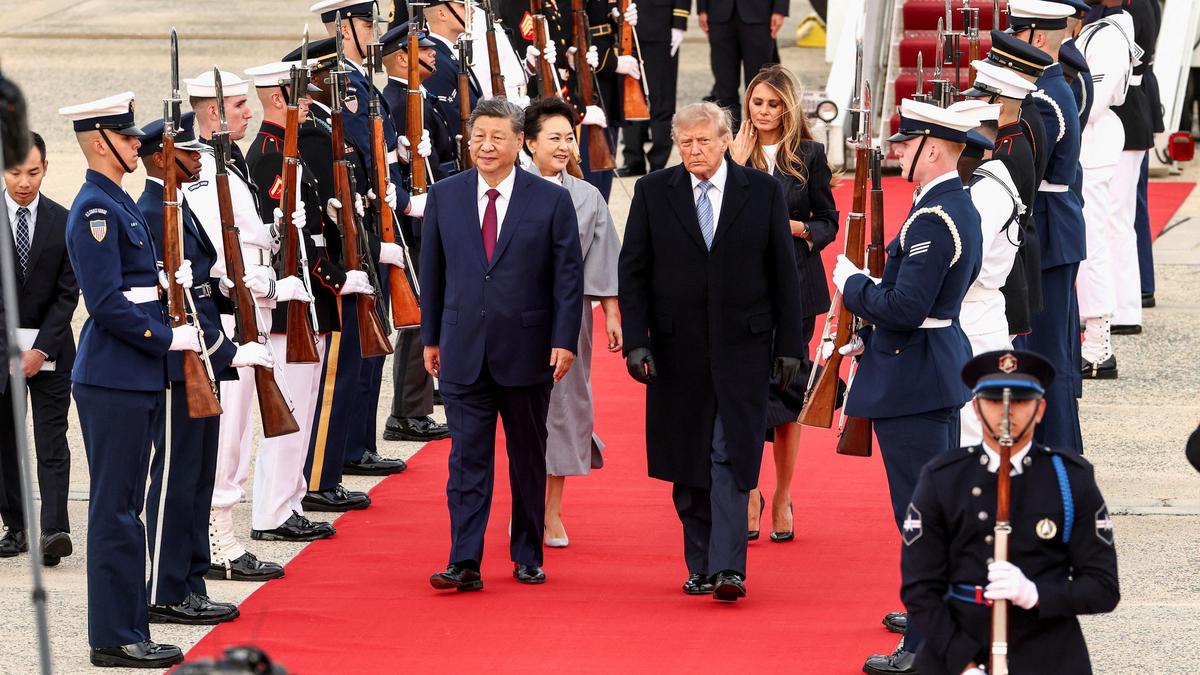
Chinese President Xi Jinping Begins State Visit to Washington
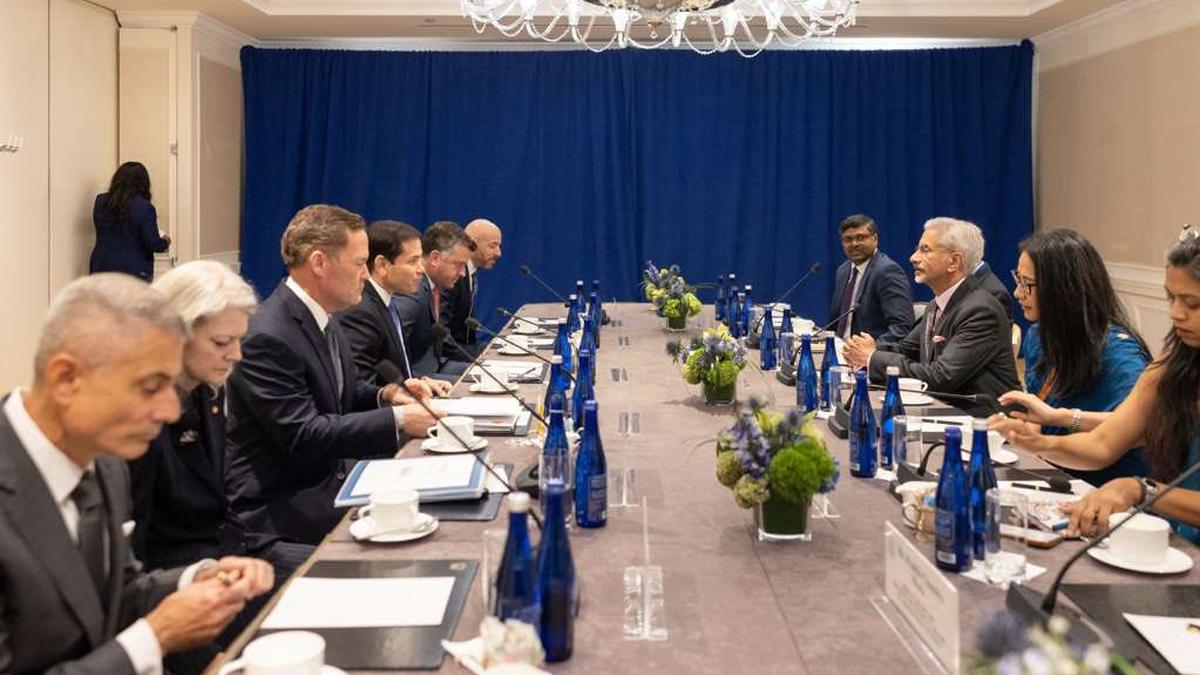
Jaishankar Discusses US Tariff Concerns with Secretary Rubio
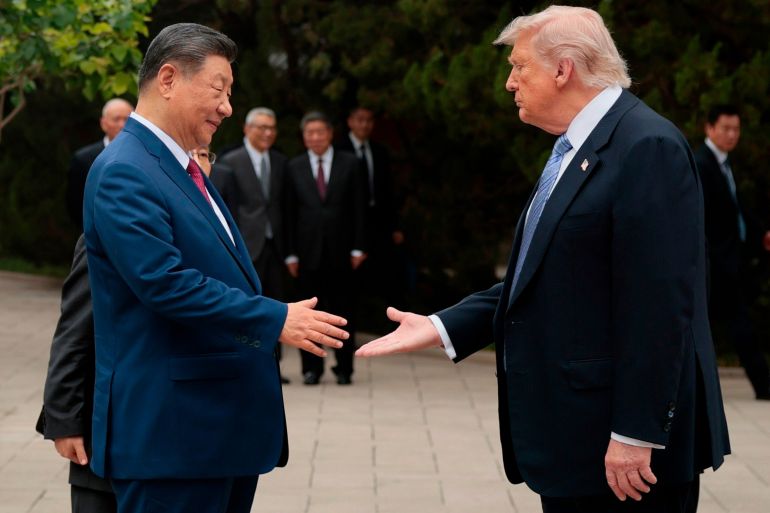
US and China Leaders Discuss AI Rivalry Amid Global Concerns

Russian Drone Strikes Kyiv, Donetsk Following Zelenskyy-Trump Talks