Impact of High Blood Pressure During Pregnancy on Heart Health


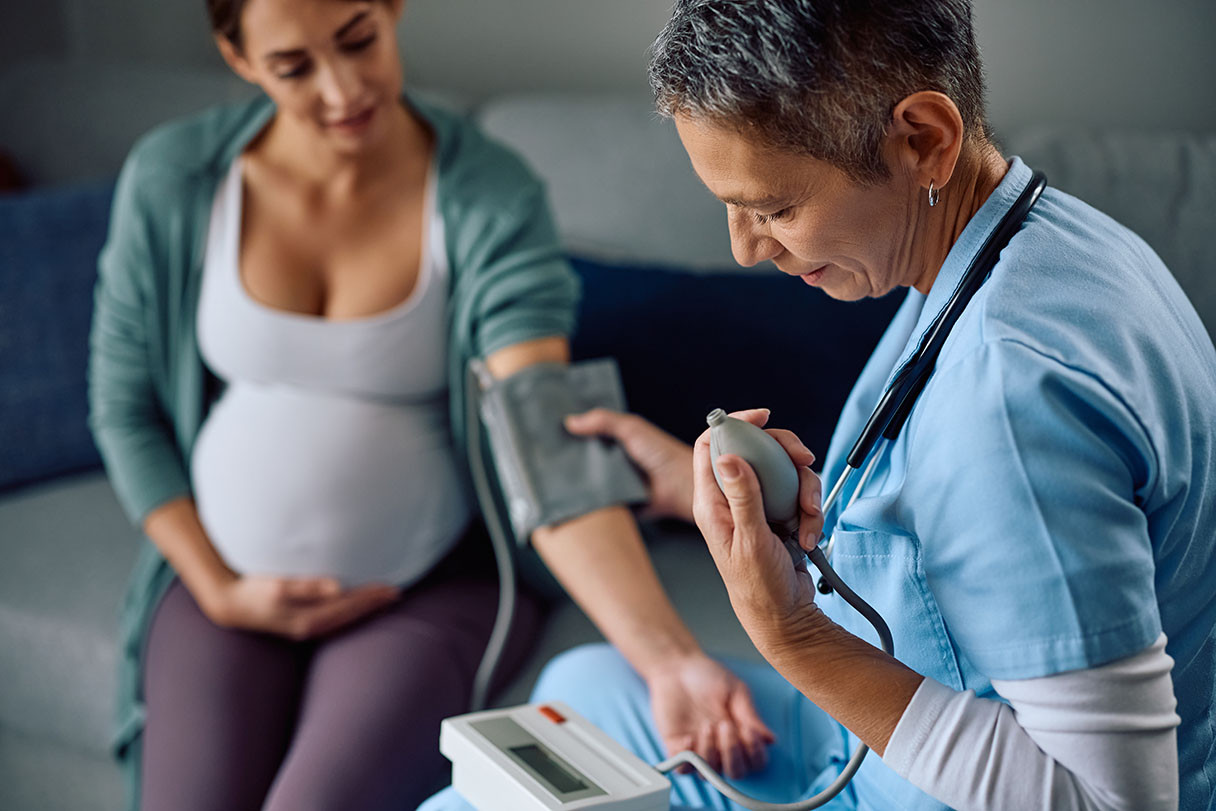
Pregnancy brings numerous changes to a woman's body, some of which can have lasting implications for her health. Dr Shweta Mendiratta, director and head of obstetrics and gynaecology at Yatharth Hospital in Faridabad, explains how complications during pregnancy, such as high blood pressure, may indicate future heart health issues. During pregnancy, the heart and blood vessels are under increased stress to support both the mother and the growing baby. Dr Mendiratta emphasises that for certain women, complications can signal a propensity for issues such as elevated blood pressure or metabolic disturbances that could manifest later in life. Research has established a connection between pregnancy complications, including pre-eclampsia, gestational hypertension, and gestational diabetes, and a heightened risk of cardiovascular diseases in the future. An example provided by the gynaecologist illustrates the significance of monitoring health post-pregnancy. A woman may experience high blood pressure at 30, which might normalise after childbirth. However, if she later develops chronic high blood pressure in her 40s or 50s, her medical history from pregnancy becomes a critical aspect to discuss with her healthcare provider. The American Heart Association states that women who have had hypertensive disorders during pregnancy face a two- to four-fold increased risk of developing chronic hypertension 10 to 20 years post-delivery. Additionally, while blood sugar levels might normalise following gestational diabetes, this condition can still indicate a future risk of diabetes and cardiovascular health concerns. It is important to note that experiencing complications during pregnancy does not guarantee that a woman will develop heart disease. Dr Mendiratta advises that women with a history of pre-eclampsia, gestational hypertension, or gestational diabetes ought to regularly monitor their health even if they feel well after giving birth. She mentions that though new mothers often prioritise their baby's health, their own well-being should not be overlooked. Without visible symptoms, it can be easy to neglect health check-ups for years following childbirth. As Dr Mendiratta points out, "As gynaecologists, we should therefore look at pregnancy as more than a nine-month event. It can provide valuable information about a woman's health trajectory." This perspective indicates that lessons learned during pregnancy should not be forgotten, even if the child is now decades older. The embedded messages from pregnancy can yield insights that influence a woman's long-term health trajectory, reinforcing the need for ongoing medical evaluation and awareness.

Israeli Prime Minister Netanyahu Makes Unannounced Visit to UAE

Indian Bank Unions Postpone Planned Three-Day Strike

Lovely Professional University Suspends Classes Amid Protests
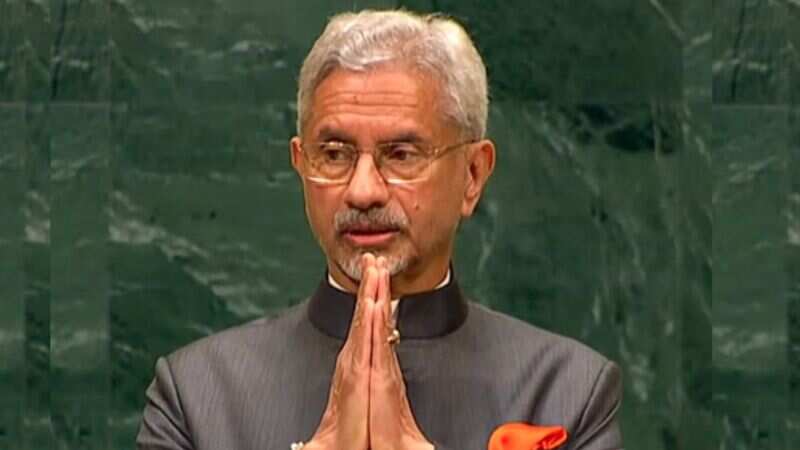
India's Jaishankar Criticises Pakistan at UN General Assembly