Impact of COVID-19 Pandemic on Breast Cancer Burden Examined


Recent research has revealed shifts in the treatment landscape for breast cancer due to the COVID-19 pandemic. The findings suggest that the pandemic's ongoing impact may have paradoxically led to a reduction in the burden of care associated with breast cancer. These results are particularly pertinent for healthcare providers and patients alike.
The study, published in a leading medical journal, examined several factors that influenced breast cancer treatment during the pandemic. This included changes in patient attendance rates for screenings and the introduction of telehealth services. Researchers noted that many patients delayed their screenings during the initial phases of the pandemic, which resulted in changes to the usual treatment protocols.
Despite the initial setbacks in breast cancer detection and care, the findings indicate a potential reduction in the overall treatment burden. A shift towards more streamlined and less invasive treatment options has been observed. These alternatives were seen as beneficial during the pandemic owing to the heightened demand for healthcare resources at that time.
Moreover, the study highlights how certain practice changes adopted during the pandemic may continue to influence treatment approaches in future healthcare settings. The integration of telehealth has proved particularly advantageous in maintaining patient engagement and providing essential care.
Researchers emphasize the need for ongoing evaluations of breast cancer treatment norms post-pandemic. This will ensure that any beneficial adaptations remain part of standard practices while addressing the challenges posed by the pandemic on patient care.
"Our findings show that, while the pandemic created numerous challenges, it also catalysed changes that could potentially improve patient outcomes and reduce treatment burdens," a lead researcher commented. This perspective reflects a broader understanding of how crises can accelerate positive transformations in healthcare.
Overall, the study presents a complex picture of how the COVID-19 pandemic has reshaped the management of breast cancer, suggesting both challenges and opportunities for future practice. The implications of these findings may resonate within the healthcare community as practitioners seek to improve patient care in a post-pandemic world.
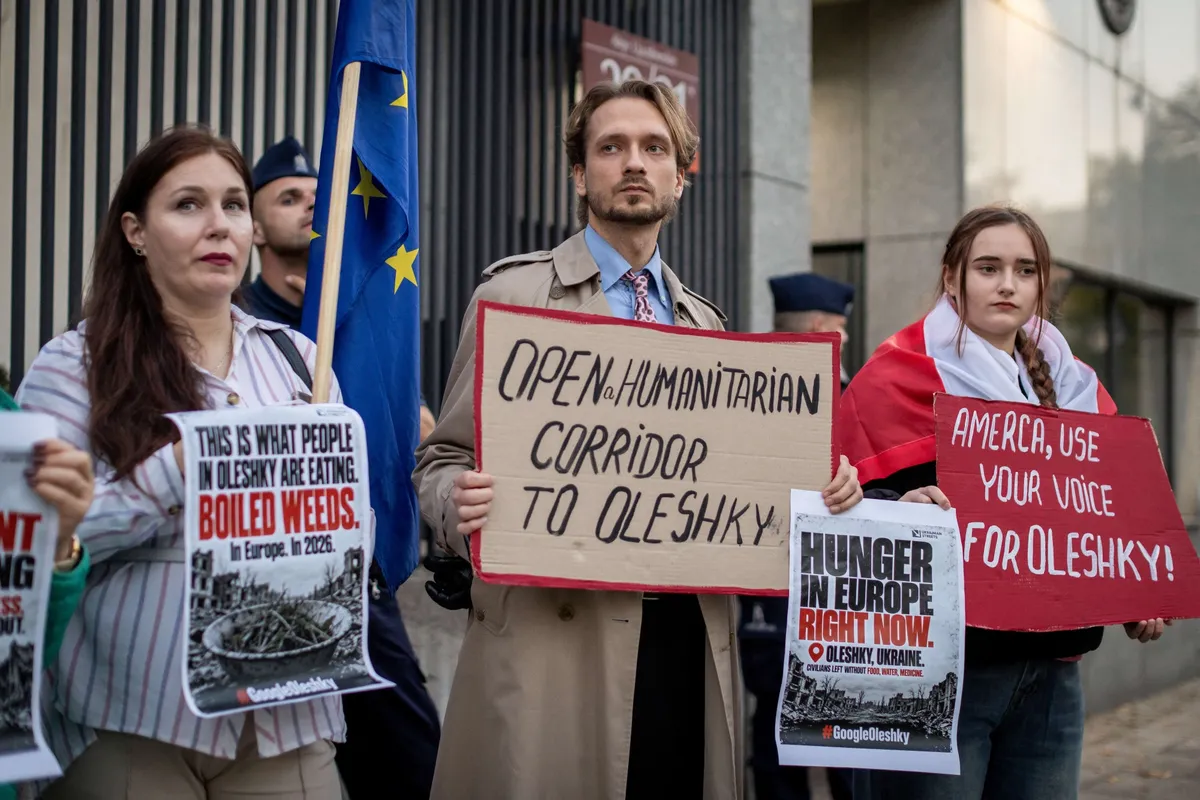
Ceasefire Agreed in Oleshky Amid Ukraine's Humanitarian Crisis
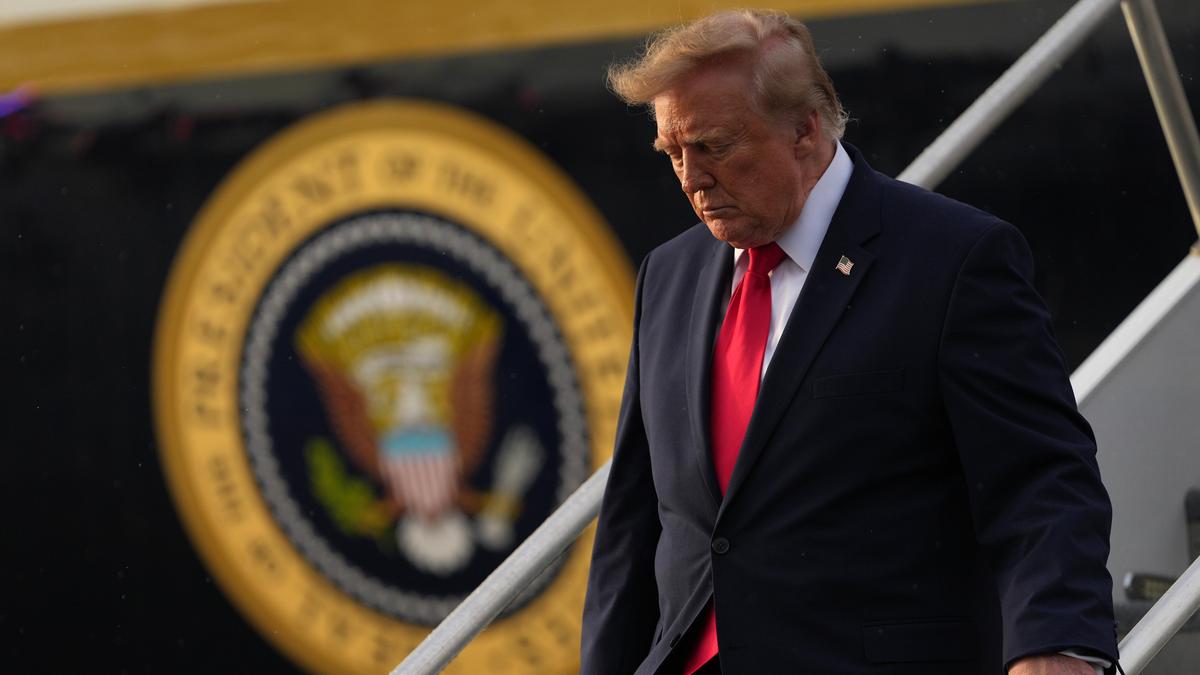
Donald Trump Hints at US Interest in Cuba After Conflict in Iran

UK Court Rules Against India in RAKIA Investment Dispute

India Raises Concerns Over Chinese Border Patrolling Deviations