Houthis Target Strategic Areas in Yemen Amid US Airstrike Cancellation


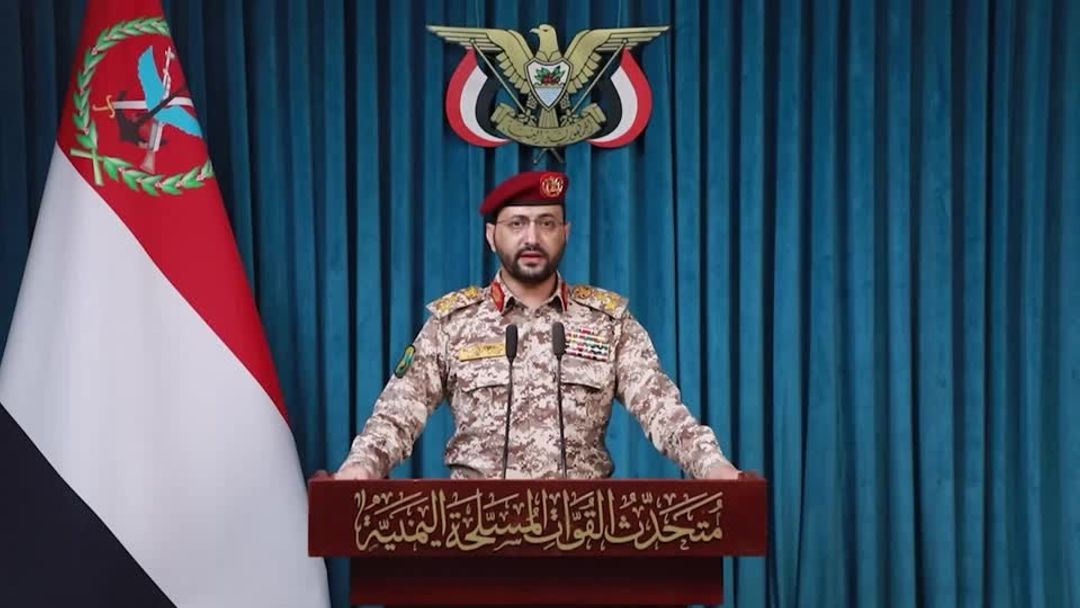
Houthi fighters are advancing to capture strategic heights in Yemen, potentially isolating Saudi-backed forces from the Red Sea coast. This move follows US President Donald Trump’s sudden decision to call off planned airstrikes against the group at the last moment while munitions were being loaded onto aircraft.
Recent heavy fighting has caused significant displacement, with tens of thousands of Yemenis forced from their homes in recent weeks. According to a report from the New York Times, Trump wavered in his response after receiving calls for assistance from Saudi Arabia. The Saudi leadership has urged for US intervention to halt the Houthi’s swift territorial gains. The Houthis have been seizing control of much of the Red Sea coastline, nearing the strategically important Bab al-Mandab strait. This strait serves as a key route for oil exports, particularly for Saudi Arabia, as it looks to circumvent disruptions in the Strait of Hormuz.
Crown Prince Mohammed bin Salman of Saudi Arabia reportedly pressed Trump for US airstrikes during the conversation, following weeks of appeals. Despite previously resisting direct involvement in the Yemeni conflict, Trump instructed the Pentagon to prepare for potential strikes, only to reverse his stance soon after. Trump has often sent mixed messages regarding the Houthis, suggesting during a visit to Ireland earlier this month that they express willingness for non-hostility, stating that the situation could “work out very well.” The president described the Houthi conflict as confined to “one country,” implicitly referencing Saudi Arabia, which has committed to resolving its issues.
The United Nations estimates that the conflict has displaced over 125,000 individuals since the beginning of September. Taiz city has borne the brunt of this recent surge, accommodating approximately 86,000 displaced persons since the escalation.
As the Houthis’ influence expands, the ongoing conflict continues to pose risks to global energy markets. The group reportedly initiated strikes on Riyadh, with smoke visible near the city’s main airport. Yemeni President Rashad al-Alimi engaged in discussions with Trump over the weekend, seeking support for his UN-recognised government’s efforts against the Houthis. However, sources indicated that Trump did not provide any firm commitment for military backing.
In a recent series of attacks, Saudi Arabia has launched numerous airstrikes on Houthi positions in the strategic Kahboub mountains but has seen limited progress in countering the Houthi advance. Fighting has primarily erupted around the Al-Wazi’iyah district in Taiz province and Ras al-Ara along the Indian Ocean coast, areas that separate the Red Sea from the Yemeni city of Aden, the seat of the government.
The Houthis aim to consolidate their position around the Bab al-Mandab strait, taking control of the surrounding mountains to create new fronts and enhance their military capability.
The escalation presents a complex dilemma for Trump, as he faces pressure to support Saudi Arabia while also avoiding further entanglement in the unpopular conflict. Although the US conducted extensive airstrikes against the Houthis in early 2025, these operations ceased following a ceasefire agreement, and the US has largely avoided re-engagement since.
The administration’s current focus appears to be securing oil supplies through the Gulf while steering clear of deeper involvement in Yemen. Yet, this approach could lead to long-term implications, including a growing perception among Gulf allies, such as Saudi Arabia, of the US as an unreliable partner, potentially jeopardising the established arrangement of security for oil access. Reuters also contributed to this report.
Xi Jinping's US Visit Planned Amid Economic Tensions with Trump

India's External Affairs Minister to Address UNGA Amid US Tariff Changes
Trump Meets New York’s Democratic Socialist Mayor Zohran Mamdani
United Russia Party Secures Supermajority Despite Ukraine Conflict