Houthis Control Bab al-Mandeb Strait, Impacting Regional Economies



The strategic Bab al-Mandeb strait has come under the control of Yemen's Houthi forces, impacting maritime traffic and regional economies. The Houthis captured the coastal port city of Mocha and the nearby island of Mayyun over the weekend, positioning themselves just 20 kilometres from the African coast. This development marks a significant shift in control over the crucial maritime chokepoint for global trade.
Bab al-Mandeb strait is vital for international shipping, handling approximately 12% of the world’s trade, which includes 11% of maritime oil and 8% of liquefied natural gas. The implications of this takeover are already evident, with the International Organisation for Migration (IOM) reporting that over 2,000 individuals have fled Yemen to Djibouti in the past 24 hours. Yemeni refugees arriving in Djibouti City are receiving essential supplies, but IOM officials have warned that additional support is urgently needed.
As tensions mount in the region, global shipping lines are reacting with heightened caution. Alexandru Cristian Hudisteanu, a maritime security expert, indicated that while the Houthis' recent territorial gains do not fundamentally enhance their overall capabilities, they do simplify the targeting of ships. Furthermore, footage circulating from the region shows a Houthi commander asserting that artillery could be positioned to strike vessels in the waters off Yemen.
Ship routes are becoming increasingly altered, with many shipping operators choosing to navigate around the Cape of Good Hope, which adds significant transit time—over 20 days—and increases shipping costs globally. According to data from IMF PortWatch, there has been a 50-55% decline in shipping volume and tonnage through the Red Sea.
Military operations in the region may also be hindered. The European Union-led Operation Atalanta, responsible for securing maritime traffic in the Red Sea, is reportedly constrained by specific mission parameters, limiting its ability to intervene effectively should further attacks on shipping occur. This situation has contributed to a resurgence of piracy off the Horn of Africa, as criminal organisations capitalise on the limited naval presence.
Additionally, reports indicate that Egyptian economic interests are suffering significantly. The Suez Canal, a key revenue source for Egypt, has experienced a decline of about $7 billion, translating to a 60% drop in revenues due to disrupted shipping routes. Egypt has exhibited strategic restraint despite the pressures exerted by the Houthis, opting not to engage militarily, a stance rooted in its previous experiences since the Gulf intervention began in 2015.
Eritrea is also positioned to gain influence as the Houthis control access to the Red Sea. The country, led by President Isaias Afwerki, has engaged in strategic manoeuvres to leverage its geographical position, potentially improving diplomatic relations with external powers to escape isolation.
As the geopolitical landscape evolves in the Red Sea region, Houthi officials have asserted their commitment to ensuring the safety of navigation and international trade through Bab al-Mandeb. However, the situation remains precarious as military engagements and economic impacts unfold.
While ensuring navigation safety, the Houthis have reportedly attacked Saudi-linked vessels in recent weeks. Between November 2023 and mid-2025, they targeted over 100 commercial ships purportedly associated with Israel or its allies. This ongoing conflict complicates the relationship between regional powers, particularly with Saudi Arabia, whose oil exports are critical to its economy. As geopolitical alliances and tensions shift, the unfolding events continue to pose serious questions for maritime security and international trade in the region.
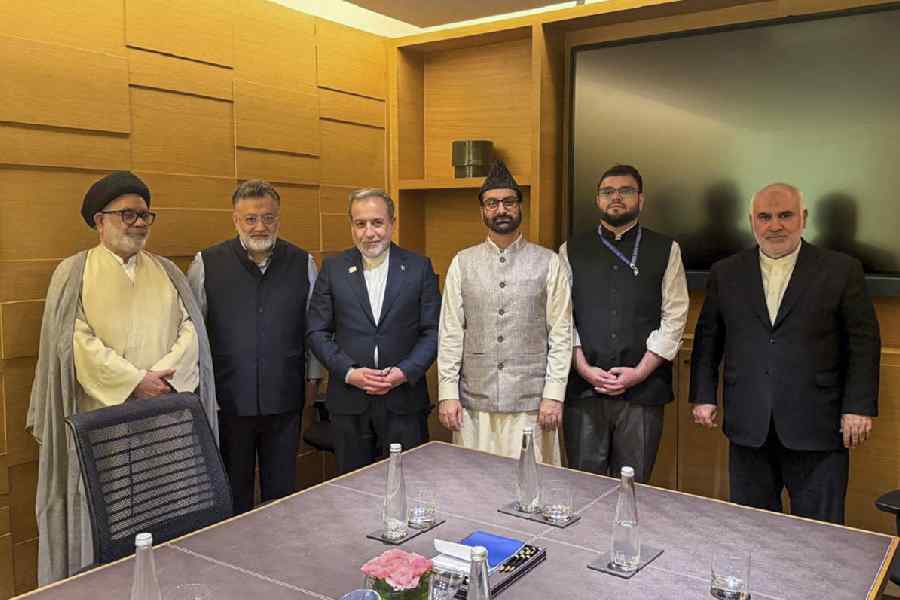
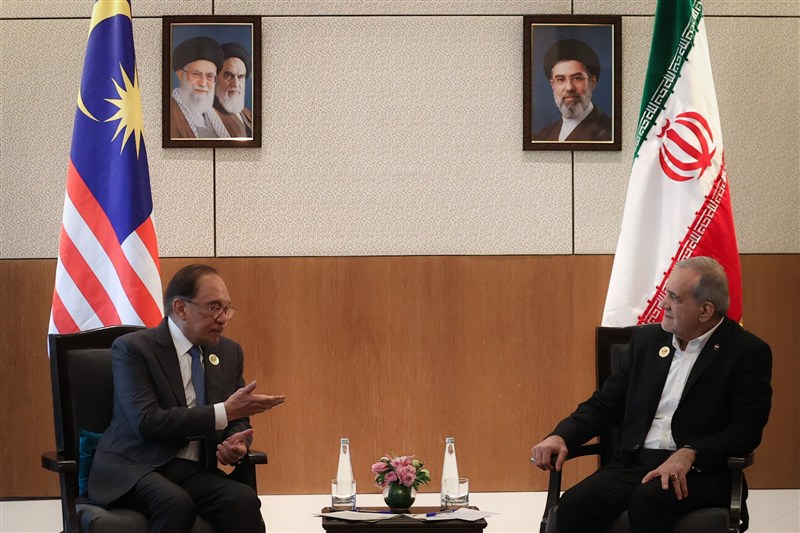
UAE and Iran Leaders Discuss Relations at BRICS Summit

Criticism Arises Over Vegetarian Menu at BRICS Gala Dinner
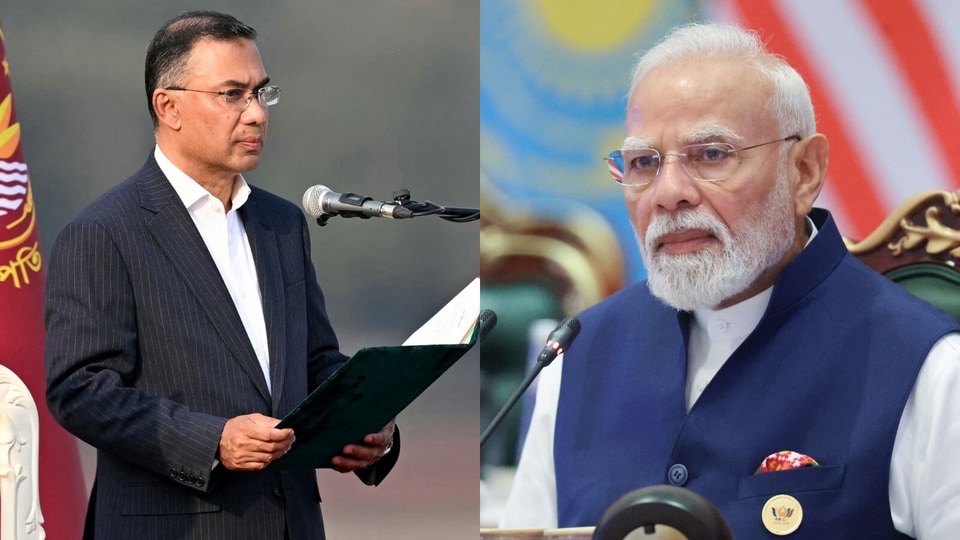
Bangladesh Aims to Redefine Relations with India Amid Strained Ties
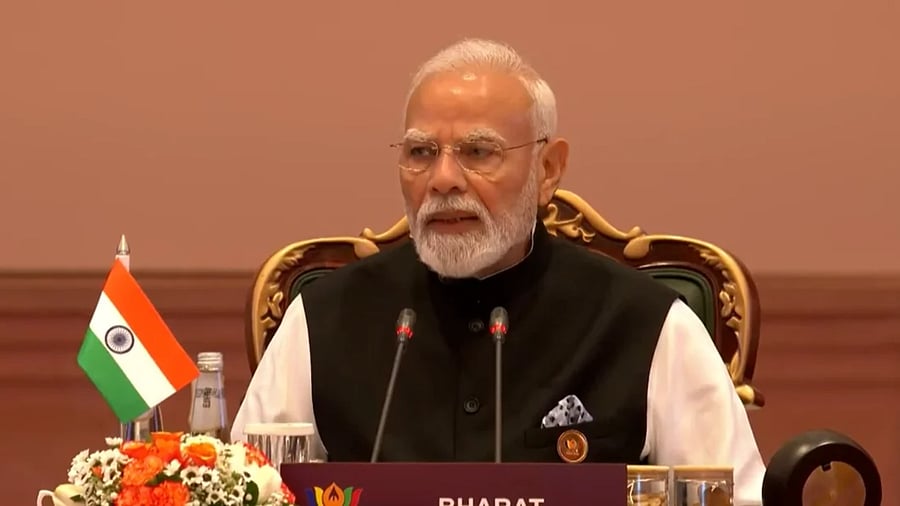
Prime Minister Modi Engages Leaders of UAE, Malaysia, Vietnam, and Ethiopia