House of the Dragon Season 3 Finale: Rhaenyra Faces Challenges


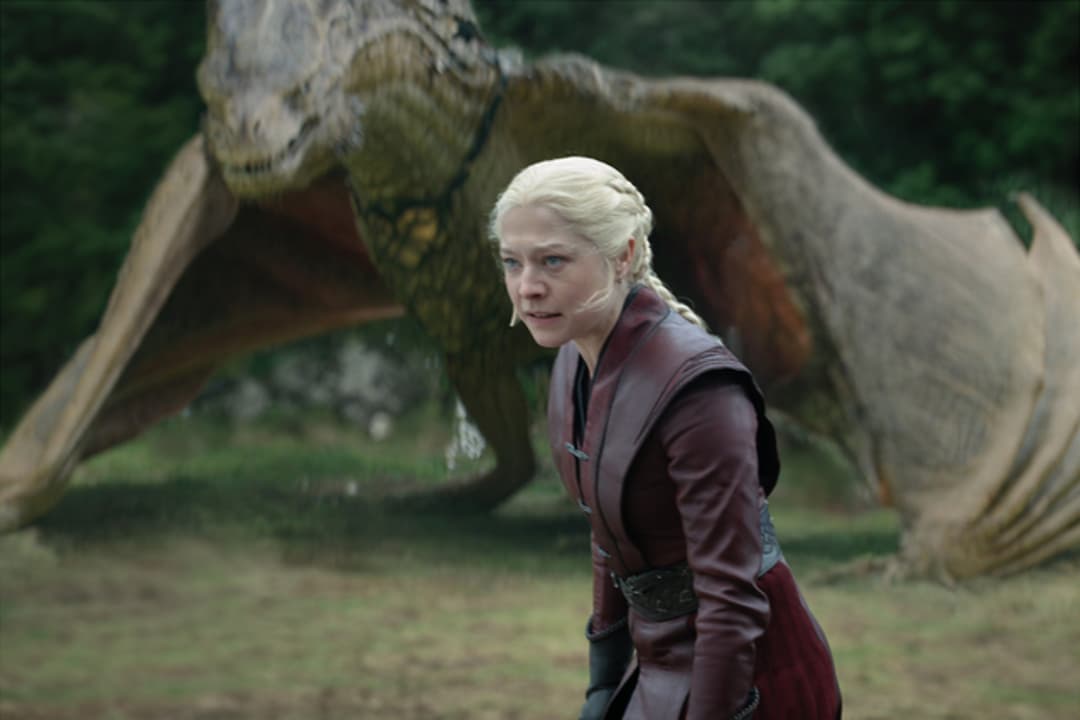
The Season 3 finale of House of the Dragon has delivered a dramatic conclusion, prompting reflections on Rhaenyra Targaryen's leadership. Earlier seasons have hinted at Rhaenyra's resilience, yet the latest episode challenges her position as the realm's saviour.
The episode begins with Rhaenyra, portrayed by Emma D'Arcy, learning that Aegon II has returned, which propels her into a state of panic. His resurrection, alongside the fearsome dragon Sunfyre, transforms him into a perceived messiah figure for some. Rhaenyra’s frustration is evident as she curses her late father Viserys for the burdens his legacy has imposed upon her. "His prophecy has tested me again and again, and I have met its every challenge!" she exclaims to her husband, Daemon.
Daemon, played by Matt Smith, advises her on the nature of strength required to rule. "The only quality the realm understands is strength," he says, leading to his deployment to confront enemies at Tumbleton.
As the chaos unfolds, viewers witness the fallout of Rhaenyra's decisions. Her mandate to lay siege to Tumbleton ultimately results in widespread casualties among both combatants and civilians, raising ethical concerns about her leadership. The death of major characters, including Helaena, leaves a lasting impact on the narrative, exemplifying the personal losses intertwined with the larger political conflict.
Critics and fans alike have scrutinised Rhaenyra's choices, particularly her treatment of a captive Helaena. The two sisters engage in a heated exchange, with Helaena's poignant response serving as a critique of Rhaenyra's moral compass. "Do you think life is nothing more than not being dead? Our father would hate you for this," Helaena asserts, exposing the fissures in her sister’s judgement.
This dynamic raises questions about the nature of leadership. Rhaenyra’s actions, described by some as ruthless, invite a debate on whether her focus on power compromises her humanity. The finale hints at an inner conflict within Rhaenyra as she grapples with the harsh realities of ruling.
Baela, another important character, confronts Rhaenyra about her perceived abandonment of supportive figures. This confrontation underscores the shifting alliances and the complexities of loyalty in a fierce struggle for power.
Despite the pressing issues from the battlefield to the council chambers, Rhaenyra’s conviction to ascend the Iron Throne stems from her belief in her destiny. Unlike Aegon II, whose ambition appears driven by entitlement, Rhaenyra imagines a future where her rule can benefit the common people, thus complicating her position as the protagonist of the unfolding saga.
The finale not only sets the stage for future conflicts but also ponders the ethical dilemmas faced by leaders in turbulent times. As Rhaenyra ascends to power amid chaos, her determination raises poignant questions about the price of leadership and the moral implications of power struggles in the rich tapestry of Westeros.
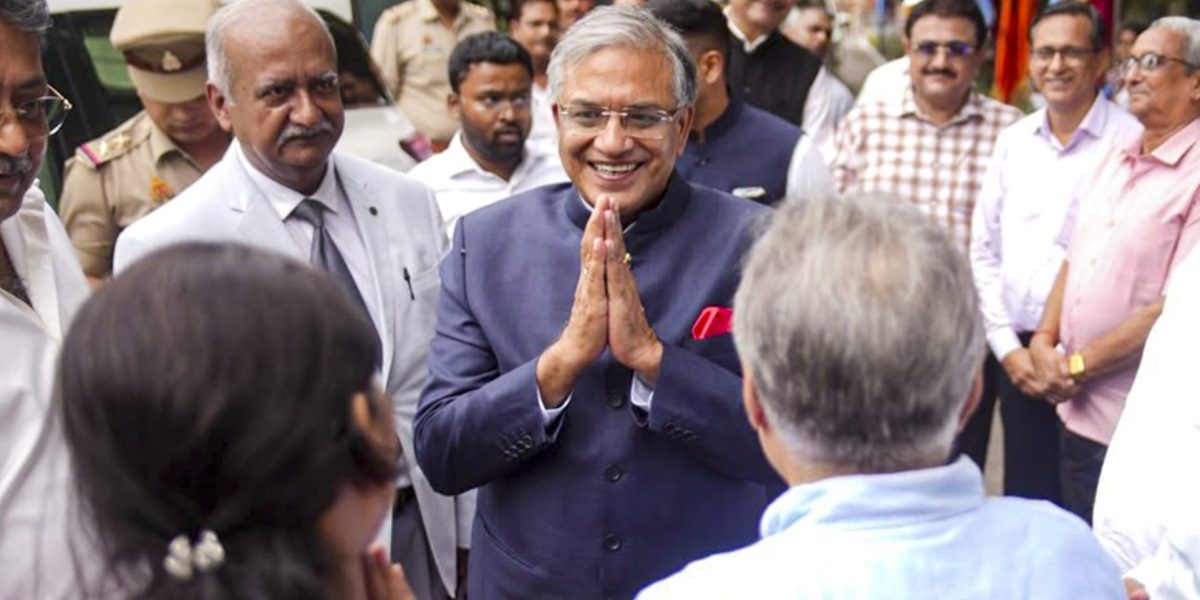
Election Commission Responds to Allegations of Internal Disputes
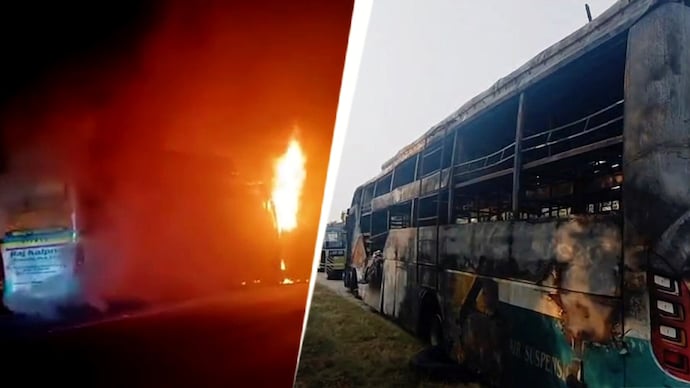
Nine Dead in Bus Fire on Yamuna Expressway, Greater Noida

Indian Seafarer Killed in Missile Attack on Merchant Vessel Near Oman
Kerala Chief Minister Faces Corruption Allegations Over Flight Funding