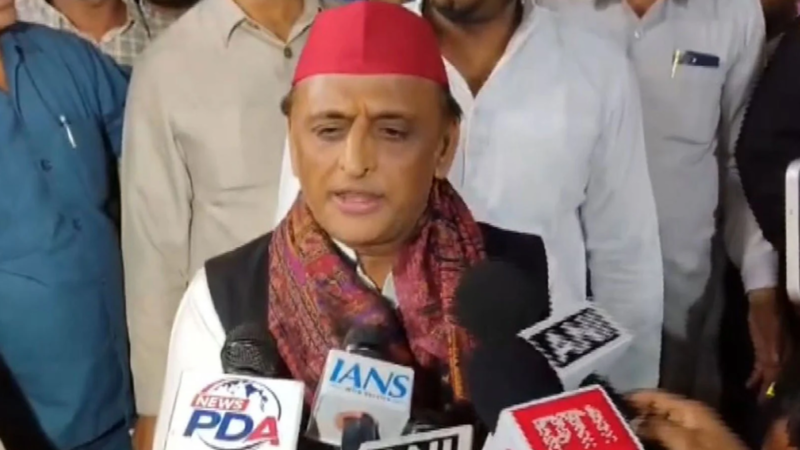
Health Minister Urges Vigilance Against Dengue and Malaria Ahead of Monsoon


The Indian government has urged states and Union Territories to maintain rigorous vigilance in anticipation of increased cases of mosquito-borne diseases, including dengue and malaria, during the upcoming monsoon season. This call to action follows a recent high-level meeting chaired by Union Health Minister Jagat Prakash Nadda, aimed at reviewing national preparedness.
During the meeting, Nadda highlighted the critical need for robust surveillance systems to facilitate the early identification of cases and outbreaks. He stressed the importance of prompt reporting, active monitoring, and effective rapid response mechanisms to limit the spread of these infections.
To further bolster public health efforts, Nadda directed healthcare facilities nationwide to ensure comprehensive readiness. This includes maintaining sufficient stocks of medicines, diagnostic tools, blood components, hospital beds, and trained staff to accommodate any anticipated rise in cases.
"Patient care services must remain uninterrupted. Healthcare institutions must be ready to effectively manage any surge in patients," Nadda stated. He called for intensified vector control activities, such as removing potential mosquito breeding grounds, fogging, and implementing other public health initiatives in at-risk areas.
Additionally, the minister urged states and local authorities to promote consistent preventative measures in collaboration with community stakeholders. He emphasised the necessity of enhancing public awareness about protective measures against dengue and malaria through Information, Education and Communication campaigns. These campaigns should educate citizens on maintaining cleanliness, preventing water stagnation, employing personal protective measures, and seeking timely medical assistance if symptoms arise.
Nadda noted the significant role of community participation in combating these diseases, calling for the involvement of resident welfare associations, local governance bodies, and educational institutions in creating mosquito-free environments.
The minister reiterated that raising awareness, ensuring early diagnosis, providing timely treatment, and securing community engagement are fundamental in the fight against dengue and malaria. He assured that the Ministry of Health is closely monitoring the situation and offering necessary support to states and Union Territories in fortifying their preparedness.
The review covered current epidemiological data, disease surveillance systems, health facility readiness, and coordination efforts for vector control and disease management. Nadda also assessed the availability of diagnostic kits, medications, laboratory infrastructure, and trained personnel across various regions.
He recommended formulating district-specific plans, especially for endemic and high-risk areas, stressing that effective surveillance, early detection, and prompt treatment are essential to reducing the disease burden. States and Union Territories were encouraged to conduct regular evaluations at district and municipal levels and to enhance vector control methods as well as public awareness initiatives, especially in high-transmission periods.
India has made remarkable progress in minimising malaria's impact, reducing cases and deaths by nearly 80% from 2015 to 2025. Data from the World Malaria Report 2025 indicate that India exited the World Health Organisation's High Burden to High Impact group last year, successfully cutting down more than 70% of both incidence and mortality rates. Reports show that around 160 districts recorded zero indigenous malaria cases between 2022 and 2025 due to sustained health interventions. There has also been a notable decline in dengue cases and fatalities, marking a substantial improvement compared to previous years.
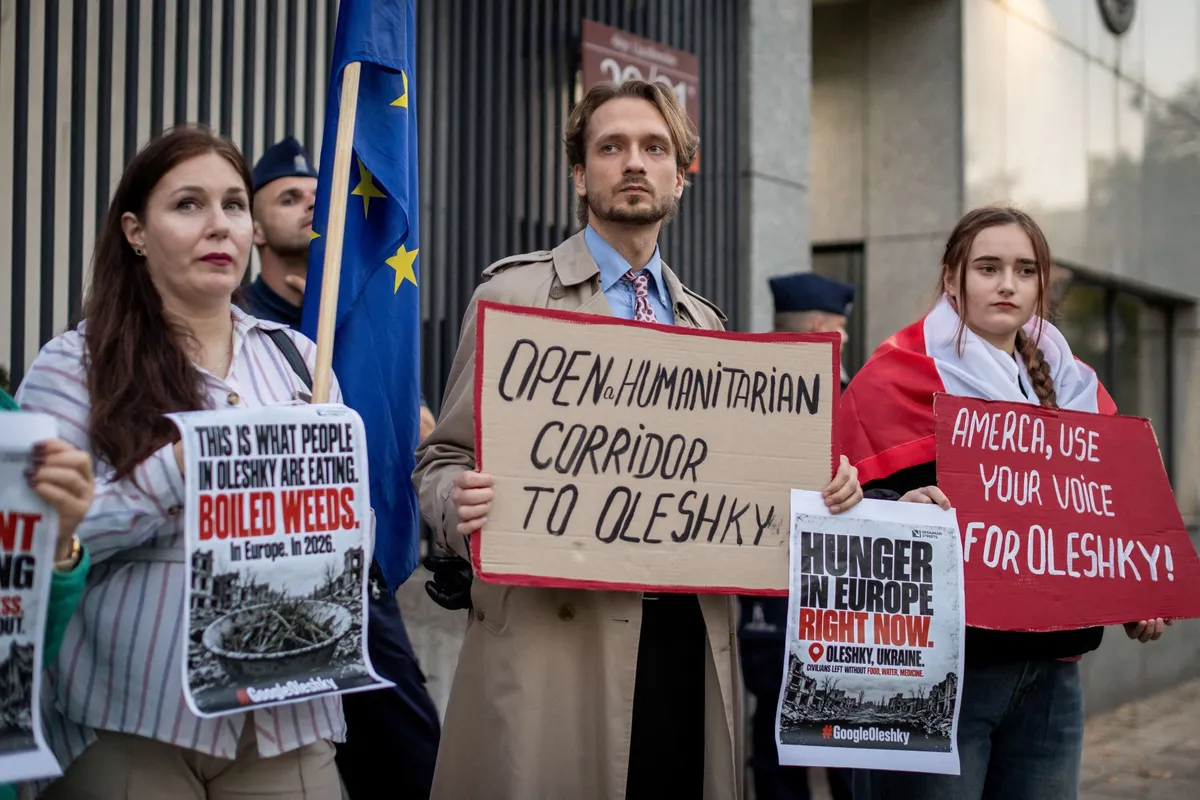
Ceasefire Agreed in Oleshky Amid Ukraine's Humanitarian Crisis
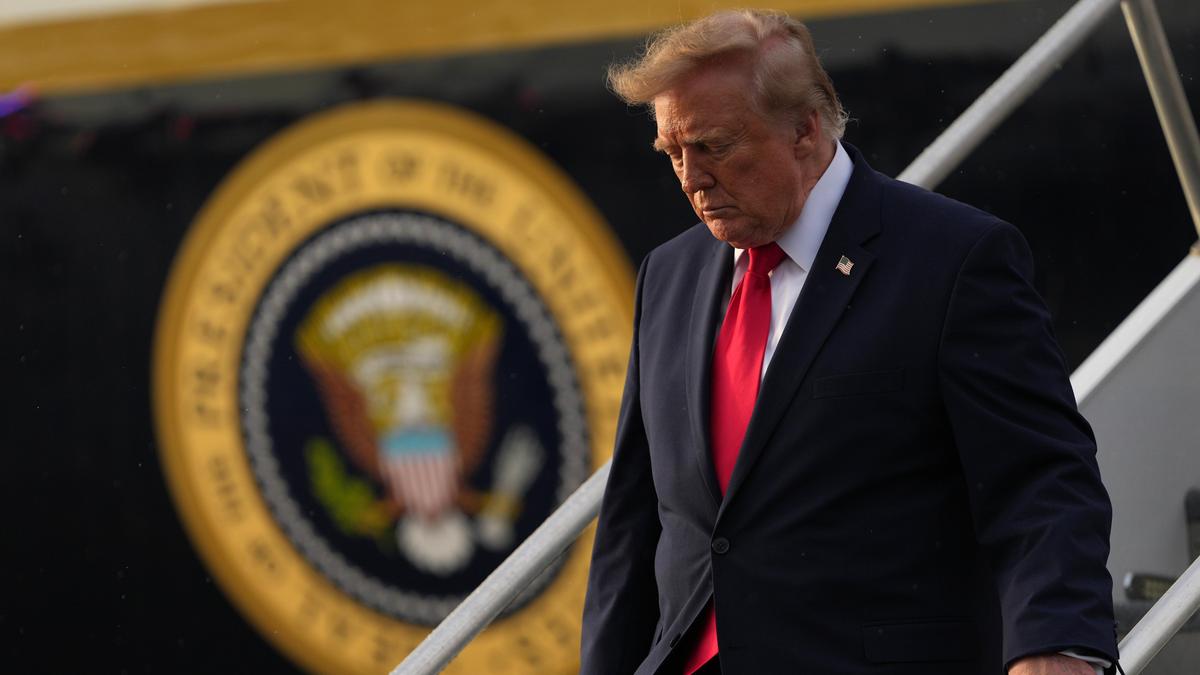
Donald Trump Hints at US Interest in Cuba After Conflict in Iran
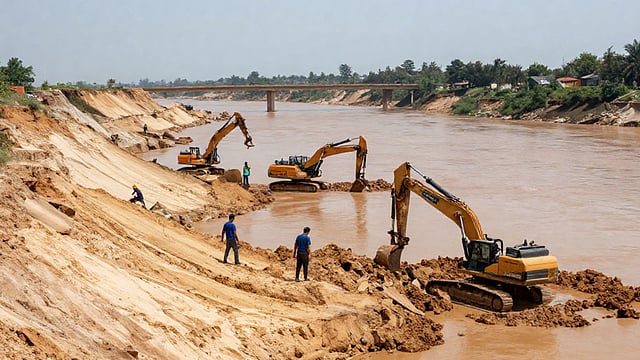
UK Court Rules Against India in RAKIA Investment Dispute
India Raises Concerns Over Chinese Border Patrolling Deviations