H5N1 Bird Flu Outbreak: Impact on Australian Wildlife and Conservation


The H5N1 strain of avian influenza, known to be highly lethal, is spreading rapidly along the southern coast of Australia. This outbreak has resulted in the deaths of thousands of wild birds and has also infected at least two long-nosed fur seals. The potential trajectory of the virus and the extent of damage it may cause remain uncertain. However, experts highlight the urgency for monitoring to better understand the outbreak's impact and to protect vulnerable species, such as the endangered Australian sea lion.
Recent predictions suggest that waterfowl, including ducks and swans, will likely carry the virus inland to the wetland systems. This is particularly concerning as Australia enters a hot and dry phase due to the El Niño climate pattern, which could cause wetland areas to shrink. The gathering of weakened waterfowl at the few available watering holes may lead to higher rates of infection among these birds.
Macquarie Island, which has so far avoided the effects of H5N1, may not be as fortunate for long. Similar wildlife colonies on sub-Antarctic islands have already suffered substantial losses. To mitigate risks, the Australian government has evacuated researchers from the island to ensure their health and safety.
Additionally, vast flocks of shearwaters are expected to return to their breeding grounds in southern Australia shortly. These seabirds may encounter H5N1, further contributing to the risk of population declines.
The presence of scavengers, such as foxes and feral cats, poses additional threats as these animals can transmit the virus beyond coastal areas and into urban environments. Consequently, urban wildlife such as magpies and possums may well be at risk, leading to broader ecological repercussions that mirror similar declines seen in other regions globally.
Despite the grim outlook, some experts maintain an optimistic perspective. To date, H5N1 has not caused any species extinctions. Affected species have shown resilience, with some populations beginning to recover after the initial outbreak, suggesting that similar outcomes could be anticipated in Australia.
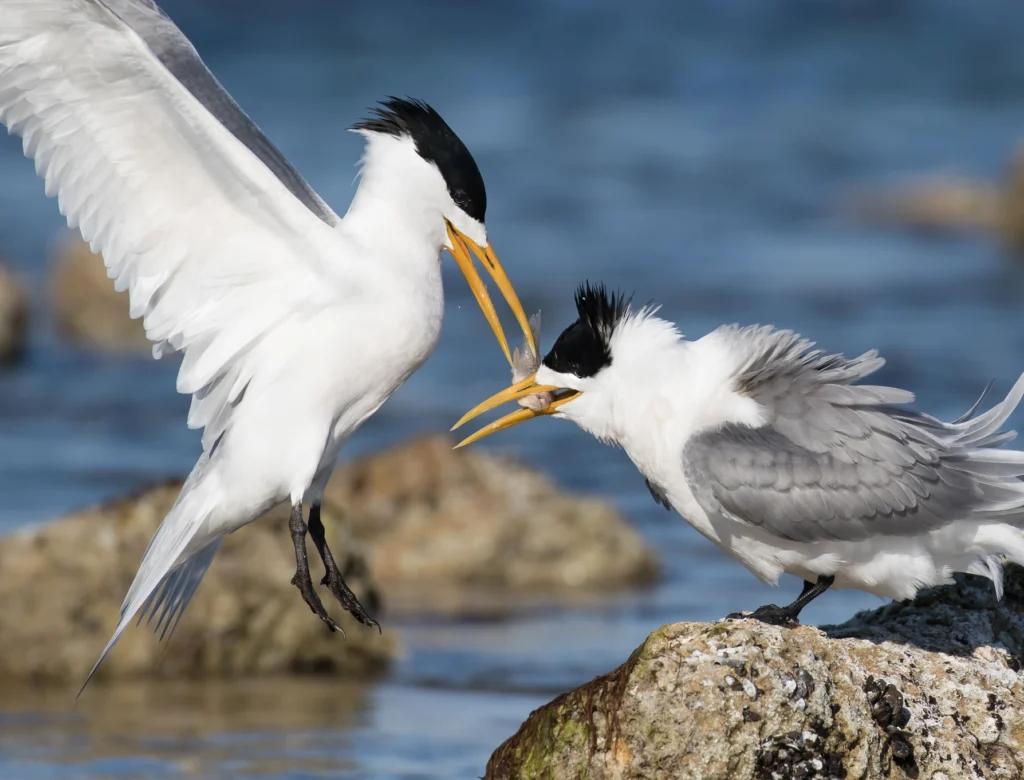
Critics argue that while the risk to humans remains low, immediate action should focus on understanding the full scope of H5N1's impact on wildlife. Evaluating the number of bird deaths alone provides limited insight into conservation effects due to potential variability in population sizes. For instance, while thousands of greater crested terns have perished, this species is relatively abundant globally. Conversely, losses for the critically endangered Christmas Island frigatebird would have catastrophic implications due to its small population size.
To measure the conservation consequences effectively, observations must focus on the percentage of a species affected rather than merely counting deceased individuals. Assessing the proportion of total populations suffering declines is crucial for understanding the long-term viability of affected species. However, accurate population assessments remain challenging, particularly for many of Australia's native mammals, for which comprehensive monitoring is lacking.
To bridge this gap, existing monitoring initiatives, such as aerial surveys of waterfowl in eastern Australia, could prove invaluable in gathering data on the effects of bird flu. Nonetheless, interpreting this data is complex due to natural fluctuations in populations caused by varying environmental conditions.
Monitoring must also evaluate the efficiency of management strategies, shifts in breeding success, levels of immunity among wildlife, and the broader environmental implications of losing crucial species. Recovery rates for organisms with lower reproductive rates, like albatrosses, may be slower and more difficult, necessitating effective tracking.
To grasp the true scale of the H5N1 outbreak, focused monitoring will be instrumental. This will help identify the most at-risk species and assess the effectiveness of responsive measures. As the situation evolves, ongoing efforts to monitor and protect wildlife will be essential in managing the public health and ecological risks posed by H5N1 avian influenza.

Kerala Initiates Probe into 2006 Suicide Case Involving CEC

Extradition of Sheikh Hasina Feasible, Says Indian High Commissioner

Punjabi Makeup Artist Mad Sandhu Shot Dead in Amritsar

India Achieves Fourth Place at Asian Games 2026 Through Late Success