Global Trade Faces Challenges Amid Economic Uncertainty



The global trading landscape is experiencing significant challenges as inflation rates soar and geopolitical tensions escalate worldwide. Recent reports indicate that many countries are facing rising costs, which pose threats to trade stability.
Trade analysts have noted that these economic uncertainties are weakening consumer confidence, leading to reduced demand for goods and services. Countries heavily reliant on exports have started to feel the effects, with some reporting a decline in trade volumes.
In addition, ongoing supply chain disruptions continue to hamper the movement of goods. The COVID-19 pandemic previously exposed vulnerabilities in supply chains, and these issues have persisted in the recovery phase. With restrictions reinstated in various regions, further delays and shortages are anticipated.
Geopolitical factors are also contributing to trade difficulties. Tensions between major economies, primarily due to policies and sanctions, are adding layers of complexity. Trade agreements are being scrutinised more closely, with stakeholders concerned about protectionism measures that might hinder free trade flows.
As the situation evolves, industry leaders are calling for collaborative efforts among nations to navigate these challenges. "It is essential for countries to work together to promote trade stability despite these ongoing issues," said an unnamed trade consultant.
In conclusion, while efforts to bolster international trade continue, the combination of economic pressures and geopolitical tensions presents a precarious environment for trade on a global scale. Stakeholders remain vigilant as they adapt to rapidly changing conditions.

Ceasefire Agreed in Oleshky Amid Ukraine's Humanitarian Crisis
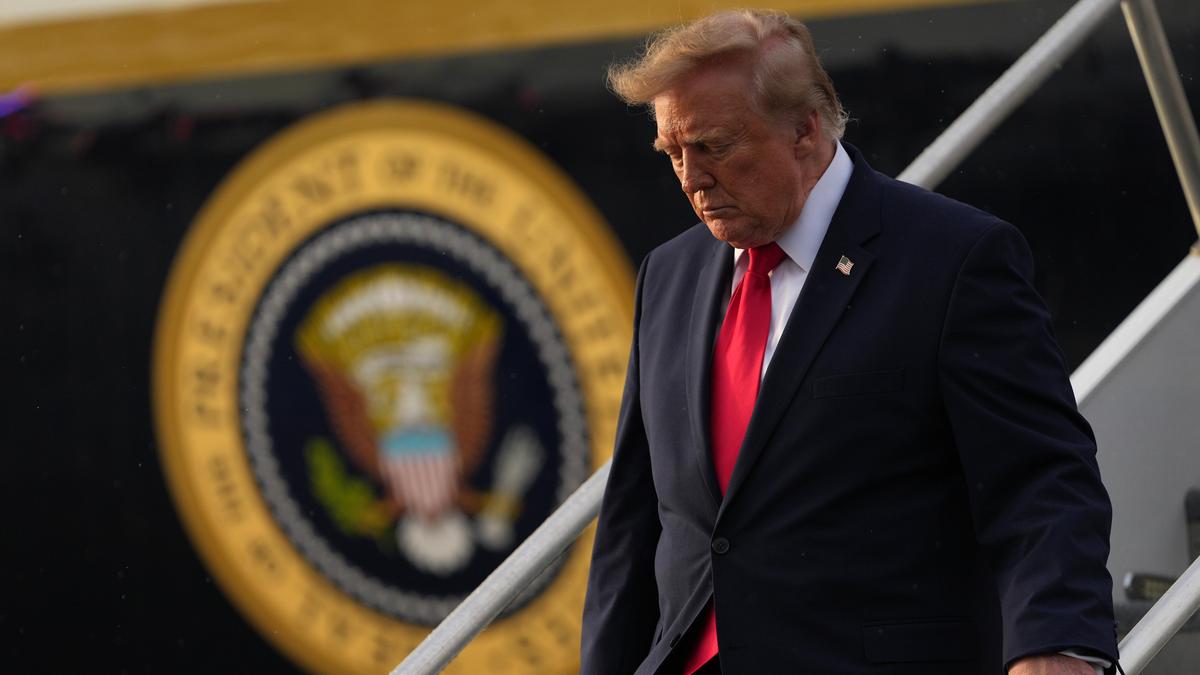
Donald Trump Hints at US Interest in Cuba After Conflict in Iran

UK Court Rules Against India in RAKIA Investment Dispute

India Raises Concerns Over Chinese Border Patrolling Deviations