Global Report: 12% of Cancer Cases Linked to Infections in 2024


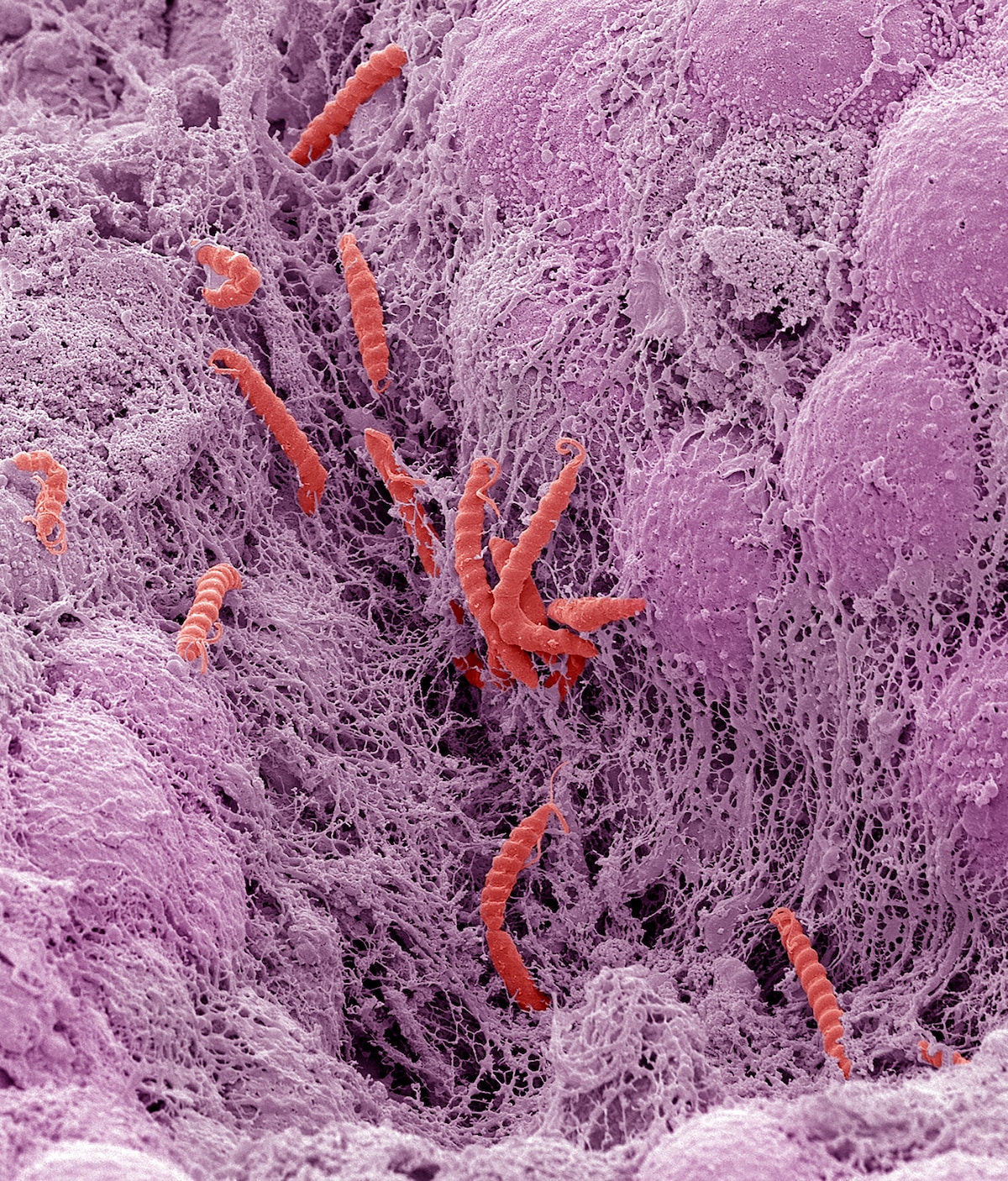
A recent analysis has revealed that approximately 12% of all new cancer cases worldwide in 2024 are attributable to infections. This translates to about 2.3 million cases, making infectious agents a significant factor in cancer incidence on a global scale. The study, led by Harriet Rumgay and her colleagues from the Cancer Surveillance Branch of the International Agency for Research on Cancer (IARC) in Lyon, France, is the first global analysis to include HIV’s role in cancer calculations. As the report notes, the majority of these infections are preventable or treatable before cancer develops.
The findings suggest that infectious agents represent a primary modifiable risk factor for cancer, particularly among women across 141 countries and men in 58 countries. "Infectious agents are a major preventable cause of cancer globally," said Rumgay and her team. They highlighted the wide availability of preventive measures such as vaccines, diagnostics, treatments, and safe-practice injections.
The report identifies 13 infectious agents classified as Group 1 carcinogens, which are known to cause cancer in humans. Among these agents, nine are viruses, one is a bacterium, and three are parasitic infections. Key pathogens include Helicobacter pylori, hepatitis B, hepatitis C, human papillomavirus (HPV), Epstein-Barr virus, and a herpesvirus associated with Kaposi’s sarcoma.
The study provided insights into the specific cancers linked to these infections, pinpointing the largest numbers of cases to H. pylori, which accounted for approximately 760,000 cases, followed closely by HPV at 750,000 cases. The analysis revealed a stark geographical disparity; Eastern Asia reported the highest prevalence, with 999,000 cancer cases, amounting to 42% of the global total.
Regions with elevated Population-Attributable Fractions (PAF) and Age-Standardised Incidence Rates (ASIR) included sub-Saharan Africa, Central and Eastern Europe, and Southeast Asia. Rumgay and her colleagues acknowledged the existing inequalities despite some advances in vaccination and screening efforts, particularly in low- and middle-income countries.
The researchers called for an increased focus on HPV vaccinations and H. pylori screening programmes, especially in areas that are currently underserved. These preventative methods could play a pivotal role in reducing the incidence of cancer linked to infectious agents, thereby altering the future landscape of cancer diagnoses worldwide.
In particular, the association between HPV and cervical cancer is notable. Rumgay's team advocates for enhanced access to the HPV vaccine in less affluent countries to mitigate future disparities in cervical cancer cases. Just as significantly, they addressed the HIV-related cancer burden, which is prevalent particularly in southern and eastern Africa. The recent endorsement of long-acting injectable HIV pre-exposure prophylaxis (PrEP) by the World Health Organization in 2025 has been welcomed as a substantial development in reducing HIV transmission, and consequently, HIV-related cancers.
The findings have prompted healthcare professionals to re-evaluate approaches toward infection control as an integral part of cancer prevention. David Greenberg, MD, a specialist in Hematology Oncology affiliated with Hackensack Meridian Health in Neptune, New Jersey, remarked, "This recent data is a profound reminder that a significant portion of our global cancer burden is fundamentally preventable. We need to link infectious diseases and oncology more closely instead of seeing them as separate entities." He highlighted the need for a holistic approach to tackle both infection and cancer effectively.
Overall, this new analysis serves as a critical reminder of the enormous potential for health improvements through focused prevention strategies targeting infectious diseases. The overall outlook places emphasis on the opportunities for significant reductions in future cancer incidences through vaccination and treatment initiatives, particularly in regions currently facing the highest burdens.
Parents of Ankita Bhandari Detained During India Gate Protest Released

Delhi Police Justifies Restrictions on CJP's Planned Protest
Indian Prime Minister Modi Engages with Canadian Minister Anita Anand

Mary Millben and Abhijeet Dipke Clash Over Alleged US Funding