Delhi Police Justifies Restrictions on CJP's Planned Protest


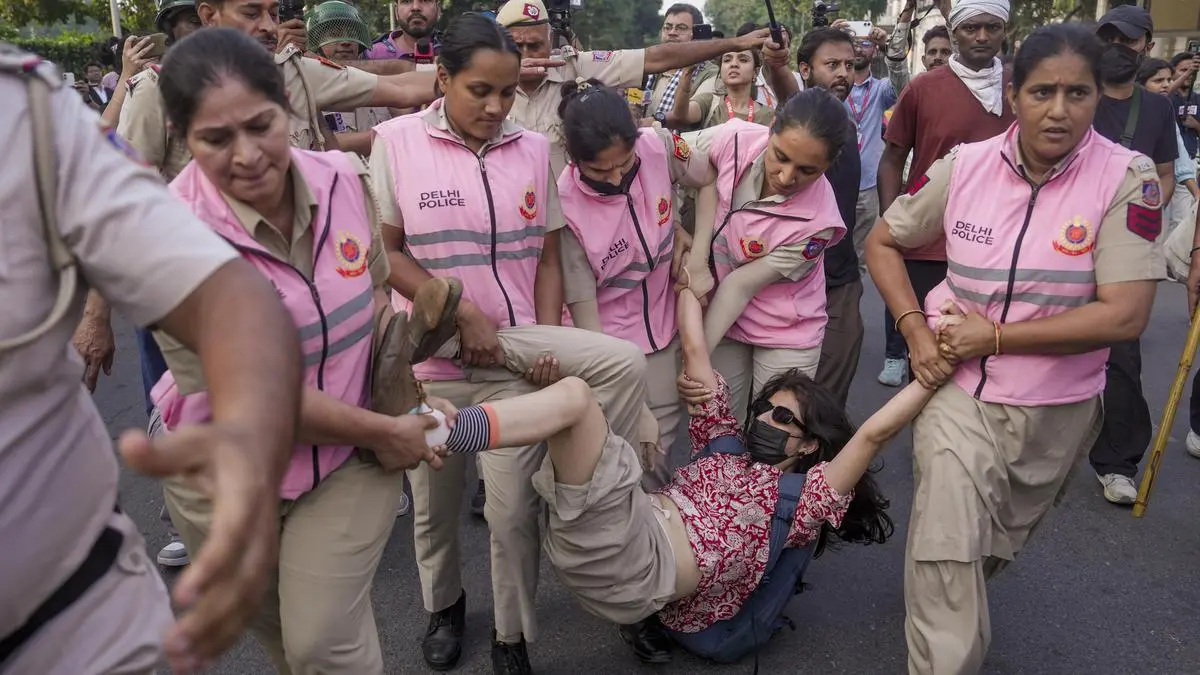
The Delhi Police has defended its decision to deny permission for a protest by the Cockroach Janta Party (CJP) scheduled for October 10, asserting that the measures were necessary to maintain law and order. According to Delhi Police Commissioner Anurag Kumar, the restrictions were proportionate to the legitimate objective of preventing harm to individuals and property. In a counter-affidavit submitted in response to ongoing contempt proceedings, he cited the organisation's recent history of mob violence, property destruction, and incidents of injury.
The police described the CJP's previous march on July 20, regarding the National Eligibility cum Entrance Test-Undergraduate (NEET-UG) paper leak, as “unauthorised” and claimed participants engaged in unlawful assembly. This earlier incident has been used to justify the restriction on the forthcoming October protest. The police contended they could not allow what they termed a breach of public order by a group with a troubling history.
In the affidavit, the Commissioner referred to statements from the CJP and highlighted potential challenges to public order posed by the planned mobilisation. He also included documentation from the earlier march, citing numerous instances where participants disregarded police directives. Notably, it was mentioned that participants of previous demonstrations harassed officers and behaved aggressively, leading to injuries among police personnel.
According to the affidavit, the events of October 6, 7, and 8 were cited as contributing factors to the decision to restrict the CJP's planned demonstration. During these days, the police reported significant traffic disruptions in central Delhi, affecting commuters and leading to substantial delays.
Concerns were raised about the safety and movement of residents in the capital, especially in proximity to sensitive locations such as the Parliament and the Supreme Court. Commissioner Kumar articulated that any breach of public order cannot be overlooked, particularly in light of calls for mobilisation from an organisation with a recent history of violence.
On the matter of detentions affiliated with the protest, the Delhi Police stated that actions taken were based on intelligence and an assessment of the situation. The measures involved removing individuals who did not comply with lawful directions but maintained that these individuals were released within a few hours and were not subjected to long-term detention.
Union Home Secretary Govind Mohan has also submitted an affidavit that extends an apology to the Supreme Court, denying any intentional non-compliance with its orders. He defended the suspension of cellular internet services that accompanied the protests, arguing that it was a necessary step to prevent rumour proliferation and maintain order during the planned demonstration on October 10. This suspension was executed for a limited period within the vicinity of the protest sites, reflecting the government's concern for public safety.
In summary, the Delhi Police's actions have been framed as a necessary response to potential threats to public order based on past incidents involving the CJP. With ongoing scrutiny from the Supreme Court, the police and government officials are now tasked with justifying their actions while balancing the right to protest with the need for maintaining stability in the capital.
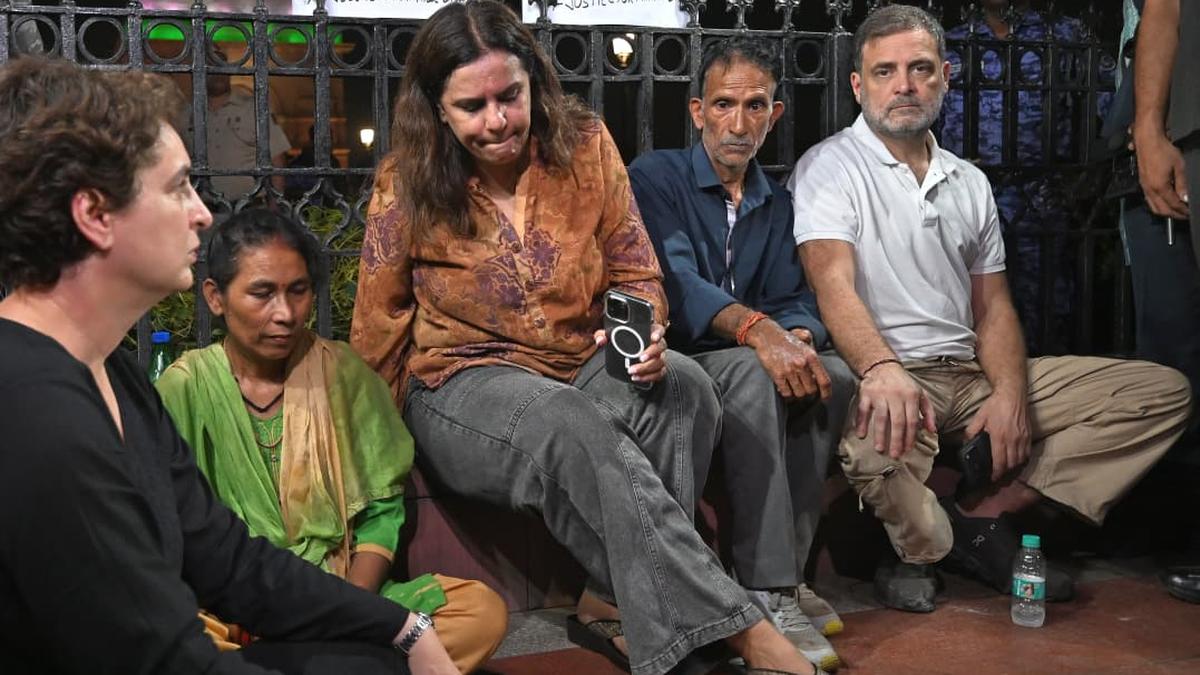
Parents of Ankita Bhandari Detained During India Gate Protest Released
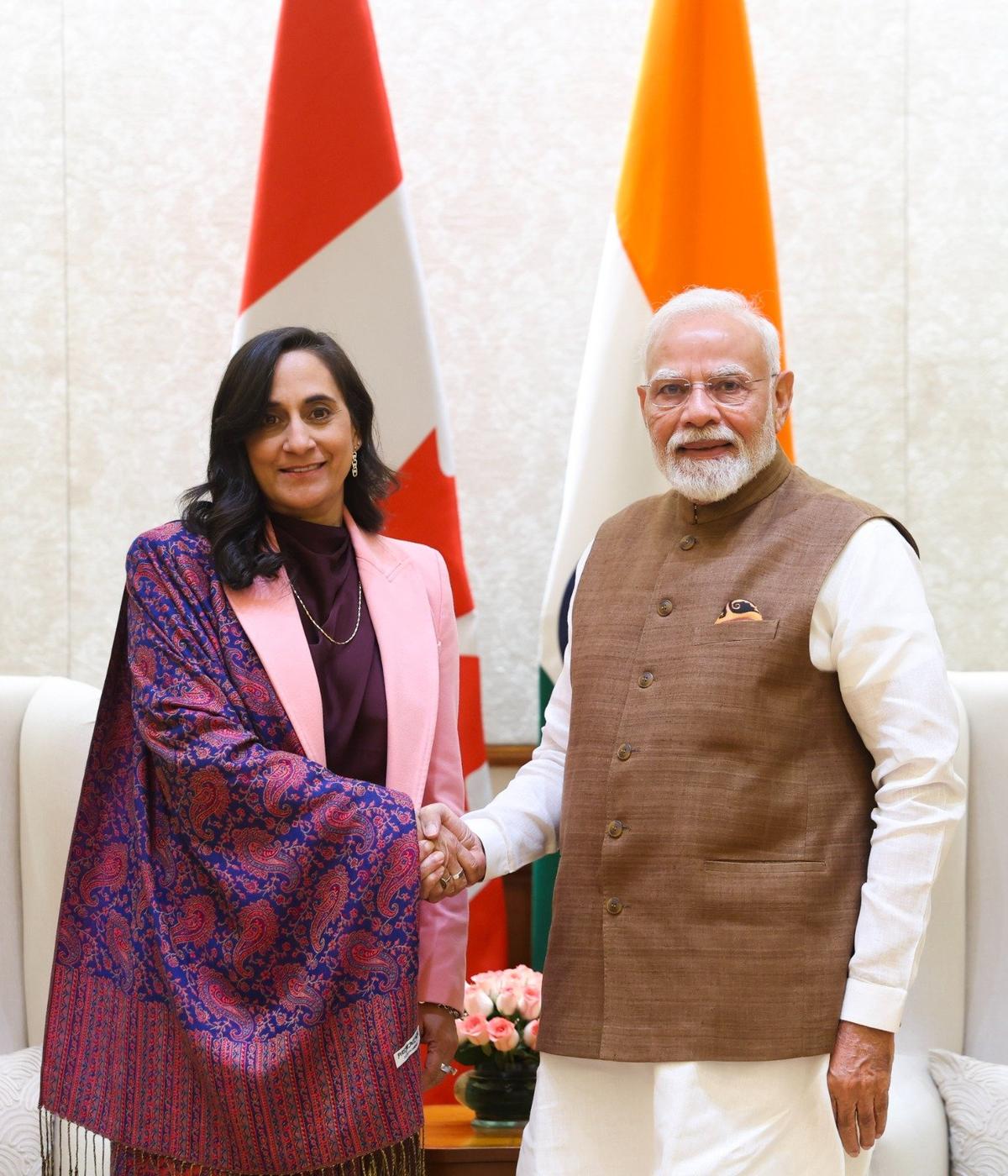
Indian Prime Minister Modi Engages with Canadian Minister Anita Anand
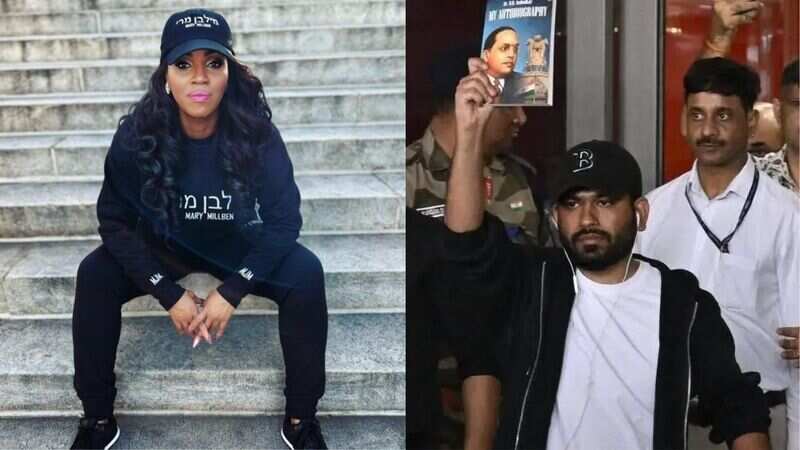
Mary Millben and Abhijeet Dipke Clash Over Alleged US Funding
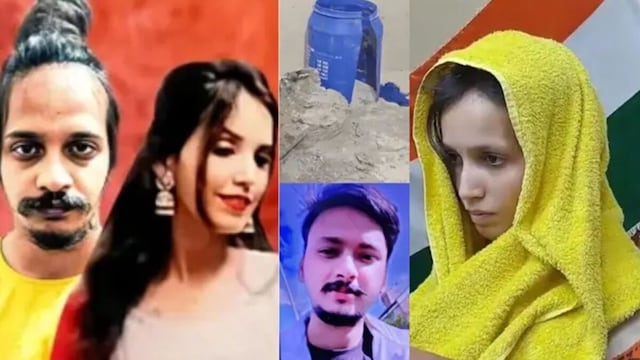
Meerut Court Imposes Death Sentences in High-Profile Murder Case