Global Measles Deaths Decline by 88%, Yet Cases Reach Alarming Highs


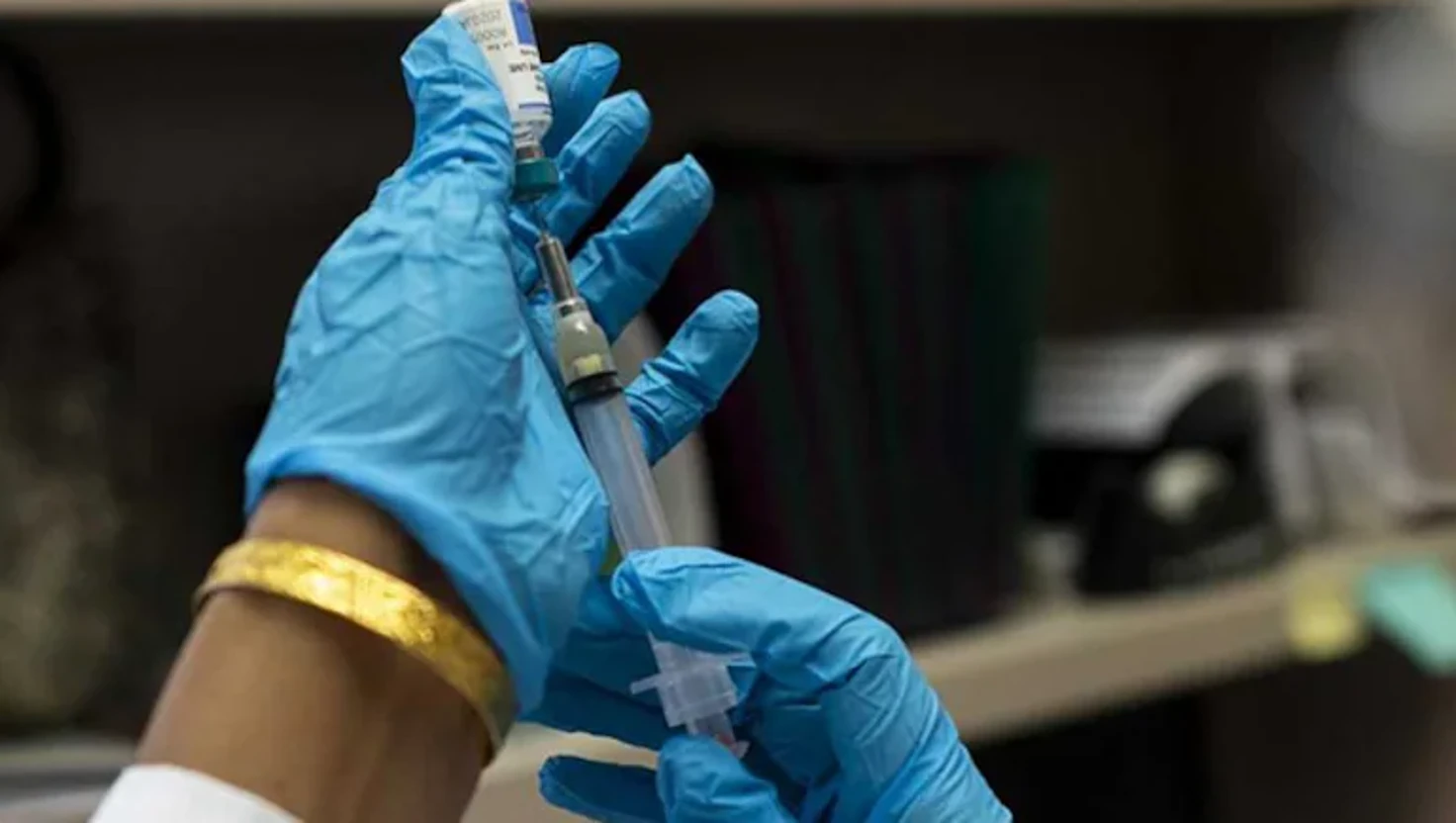
The World Health Organization (WHO) has published a report indicating a substantial decline in measles-related fatalities worldwide, with deaths plummeting by 88% from 2000 to 2024. This significant reduction has reportedly saved nearly 59 million lives due to the widespread use of the measles vaccine.
Despite this encouraging statistic, the report highlights a troubling trend: an estimated 95,000 individuals, predominantly children under the age of five, succumbed to measles in 2024. While this figure represents one of the lowest annual death tolls recorded in recent years, health officials stress that every death from a preventable disease is unacceptable.
In stark contrast to the decline in deaths, the number of measles infections has surged, with approximately 11 million cases reported in 2024. This marks an increase of nearly 800,000 cases compared to pre-pandemic levels in 2019, raising alarms among health experts and authorities.
Dr Tedros Adhanom Ghebreyesus, Director-General of WHO, commented, "Measles is the world's most contagious virus, and these data show once again how it will exploit any gap in our collective defences against it. When every child in every community is vaccinated against it, costly outbreaks can be avoided, lives can be saved, and this disease can be eliminated from entire nations."
Regional Disparities in Measles Cases
The report reveals significant regional disparities in measles cases. The WHO Eastern Mediterranean Region saw an alarming 86% increase in cases, while the European Region reported a 47% rise and the South-East Asian Region experienced a 42% increase compared to 2019 figures. Conversely, the African Region managed to reduce measles cases by 40% and deaths by 50%, attributed to improving vaccination rates.
While many children in regions with better healthcare access and nutrition are less likely to die from measles, they are still at risk of severe complications, including blindness and pneumonia. In 2024, approximately 84% of children received their first dose of the measles vaccine, and 76% received the second dose, according to estimates by WHO and UNICEF. This marks a slight improvement over the previous year, with two million additional children immunised.
WHO guidelines suggest that at least 95% coverage with two doses of the measles vaccine is necessary to halt transmission and prevent outbreaks. However, more than 30 million children remain under-vaccinated against measles, with the majority residing in the African and Eastern Mediterranean regions, often in vulnerable or conflict-affected areas.
The Immunization Agenda 2030 (IA2030) Mid-Term Review, released concurrently with the measles report, underscores that measles tends to be the first disease to re-emerge when vaccination rates decline. The resurgence of measles outbreaks exposes vulnerabilities in global immunisation initiatives and threatens to derail progress toward the IA2030 objectives, including the elimination of measles.
In 2024, 59 countries reported significant measles outbreaks, nearly three times the number reported in 2021. This is the highest level of outbreaks since the onset of the COVID-19 pandemic. By 2025, several countries in the Americas have also begun experiencing similar outbreaks.
Improving Surveillance and Response
In response to the rising number of cases, WHO has enhanced measles surveillance to better identify and respond to outbreaks. In 2024, over 760 laboratories in the Global Measles and Rubella Laboratory Network tested more than 500,000 samples, a 27% increase from the previous year. However, funding cuts to vaccination programmes and laboratory networks pose a significant threat to ongoing efforts to sustain immunity and prevent future outbreaks.
WHO aims for a world free of measles, but the target remains distant. By the end of 2024, only 81 countries (42%) had achieved measles elimination status, with just three additional countries reaching this milestone since before the pandemic. Recent progress in 2025 includes the verification of measles elimination in several Pacific island nations and Cabo Verde, Mauritius, and Seychelles, raising the total to 96 countries.
The Americas region regained its measles elimination status in 2024 but lost it again in November 2025 due to ongoing cases in Canada. Measles has resurged even in high-income countries where it had previously been eliminated, primarily due to vaccination rates falling below the critical threshold of 95%. Even with overall high national coverage, unvaccinated communities can pose significant risks and lead to outbreaks.
Achieving the goal of measles elimination requires strong political commitment and sustained investment in vaccination initiatives. The IA2030 Mid-Term Review calls for the fortification of routine immunisation, heightened surveillance, and the rapid response to outbreaks, alongside the need for high-quality vaccination campaigns.
WHO employs statistical modelling to estimate measles cases and fatalities annually, refining past estimates to track trends over time. As a founding member of the Measles & Rubella Partnership, WHO collaborates with numerous organisations to address declining vaccination rates and accelerate the recovery of immunisation efforts post-pandemic.
Defining measles elimination involves the absence of endemic transmission in a specific geographical area for more than 12 months. A country can lose this status if the virus reappears and is sustained for over a year. The IA2030 global monitoring framework defines significant outbreaks as those with at least 20 cases per one million population within a 12-month period.

Kerala Initiates Probe into 2006 Suicide Case Involving CEC

Extradition of Sheikh Hasina Feasible, Says Indian High Commissioner

Punjabi Makeup Artist Mad Sandhu Shot Dead in Amritsar

India Achieves Fourth Place at Asian Games 2026 Through Late Success