Global Health Surveillance Faces New Challenges Amid Pandemic Impact


The COVID-19 pandemic has profoundly impacted global health surveillance systems, exposing vulnerabilities and instigating significant shifts. With over two years of disruptions, many countries are reassessing their health monitoring frameworks to better prepare for future health emergencies.
Experts highlight that the pandemic revealed gaps in real-time data collection and disease reporting. A report from the World Health Organization (WHO) underscores the necessity for enhanced speed and accuracy in disease tracking as health threats evolve.
Countries have begun to invest in innovative technologies to strengthen their health information systems. Mobile health applications and artificial intelligence tools are being explored to facilitate timely data acquisition. The integration of such technologies into traditional health systems is seen as crucial for improving response rates to outbreaks.
Additionally, the pandemic has magnified the importance of collaboration between nations. The WHO emphasised the need for coordinated global efforts to tackle health crises effectively. By sharing data and resources, countries can enhance their response capabilities, fostering a more interconnected approach to health security.
Despite these advancements, challenges remain. Variability in health system capacities across nations can lead to disparities in surveillance effectiveness. Countries with limited resources may struggle to upgrade their health infrastructures, thereby exacerbating existing inequalities.
Health officials are calling for sustained investment in health systems, advocating for policies that prioritise research, funding, and workforce training. "Improving health surveillance is not a one-off effort; it requires continuous commitment and resources," a WHO representative commented.
As the world transitions into a post-pandemic phase, the resilience of health surveillance systems will be critical in addressing not only COVID-19 but also future health emergencies. Continuous evaluation and adaptation of these systems will be essential to safeguarding global health.

Ceasefire Agreed in Oleshky Amid Ukraine's Humanitarian Crisis
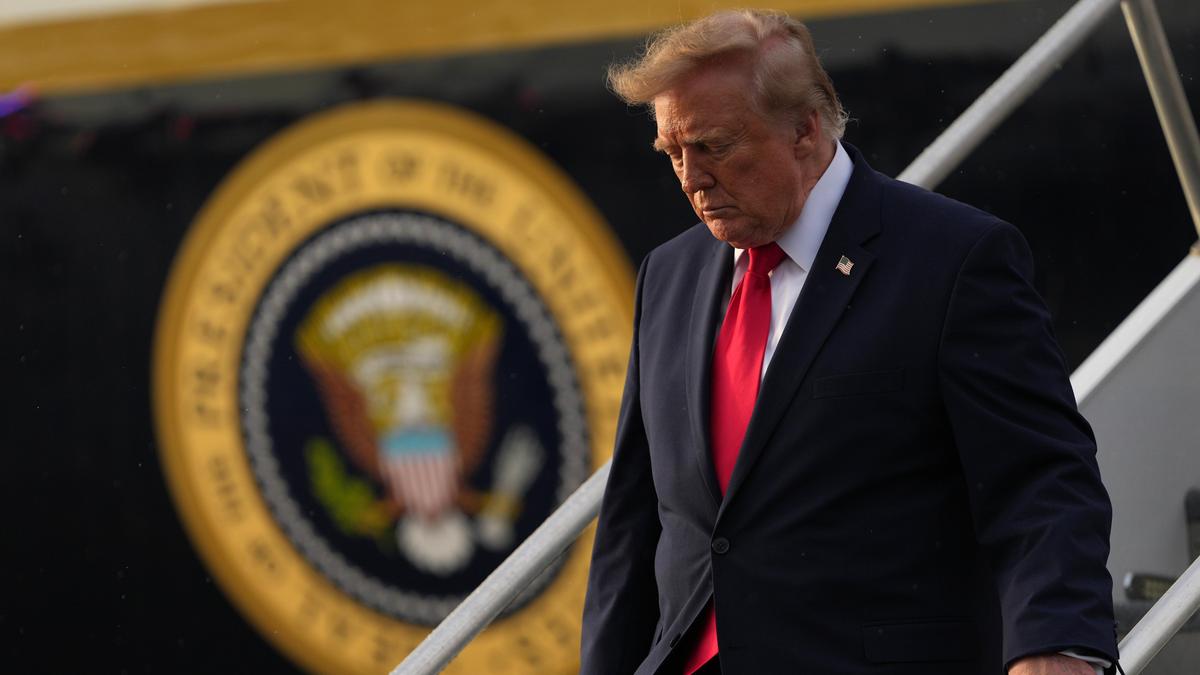
Donald Trump Hints at US Interest in Cuba After Conflict in Iran
UK Court Rules Against India in RAKIA Investment Dispute

India Raises Concerns Over Chinese Border Patrolling Deviations