Gen Z Slang Transforms Parliamentary Debate in India


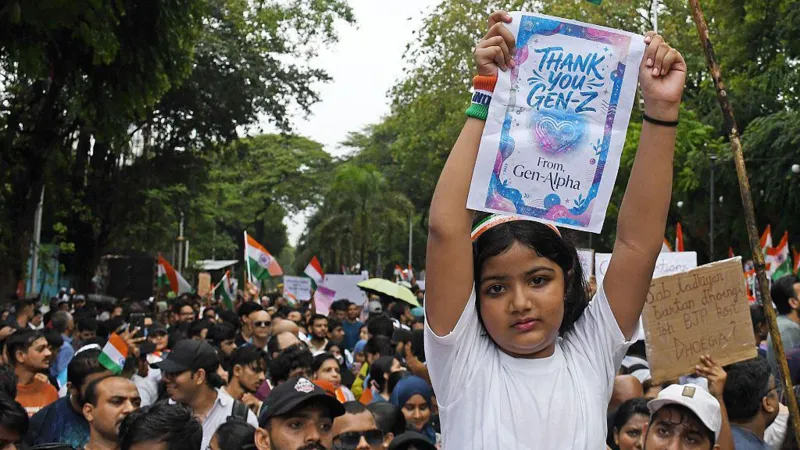
The language of India's younger population recently made a notable entrance into the parliamentary scene, resonating in discussions surrounding a new bill aimed at preventing examination leakages. This change coincided with a youth-led protest that successfully led to the resignation of Education Minister Dharmendra Pradhan.
Within the Lok Sabha, India’s lower house of parliament, various slang terms commonly used by Gen Z emerged during discussions on the proposed anti-exam leak legislation, introduced after significant demonstrations by the Cockroach Janta Party (CJP). The atmosphere was infused with contemporary phrases such as "delulu" and "FOMO" resonating throughout the chamber.
MP Shrikant Shinde from the Shiv Sena party used the term "MIA" to characterise opposition members as "missing in action" and invoked "FOMO" to insinuate their fear of being out of touch with the ongoing protests. He also labelled them as "delulu," a term denoting a disconnect from reality. Congress party representative Deepender Singh Hooda took a satirical jab at the government by referencing a catchphrase from the protests: "waste-guna-huiya."
On the ruling side, Bansuri Swaraj from the Bharatiya Janata Party (BJP) declared Prime Minister Narendra Modi had "clocked it" by introducing this legislation. Similarly, Tejasvi Surya challenged the opposition members, calling their criticism "delulu" given their past inaction on related reforms.
The moment underscored the extraordinary evolution of a movement that began in the digital arena and seamlessly transitioned into parliamentary discourse. Initially, the CJP functioned as a satirical group on social media platforms, transformed by escalating concerns over examination irregularities into a broader critique of societal issues like unemployment and governmental apathy.
The group's organisational prowess was evident as it mobilised through messaging services like WhatsApp, coordinated via Telegram, and maintained a vibrant presence on Instagram. Protest activities were documented as quick video reels, attracting vast online engagement and motivating more young individuals to join in physical demonstrations.
As the protests gained traction, the prime minister leveraged social media to connect directly with the youth, employing informal video messages to address their grievances. Opposition parties mocked these tactics within the parliamentary setting, suggesting that focusing on digital narratives was merely a diversion from deeper educational concerns.
Political scientist Rahul Verma suggested that although this integration of Gen Z language into parliamentary dialogue may seem significant, it reflects a long-standing practice where politicians adapt popular culture to resonate with their electorate. He noted that the adaptation of language isn't new in politics, citing past examples where famous catchphrases from film and sports have been incorporated into political speech.
Unlike established cultural phrases, Gen Z slang arises from the vibrant dynamics of online communities, evolving rapidly and often fleetingly. Digital anthropologist Payal Arora emphasised that while using contemporary slang shows an effort to connect with younger demographics, it does not guarantee meaningful engagement with their core concerns.
Following the protests, the government exhibited unease regarding the CJP's online presence, including attempts to remove protest-related content and legal actions against activists. CJP representatives expressed frustration over perceived government intimidation and have articulated the withdrawal of criminal cases against demonstrators as a priority demand after Pradhan's resignation.
Critics have questioned whether the use of memes and irreverent humour detracts from the serious nature of the educational reforms being advocated. Supporters argue that such humour reflects a generation shaped by digital environments, where accountability demands and laughter can coexist.
The longevity of this new lexicon in Indian politics remains uncertain, with the ephemeral nature of internet slang suggesting that it could vanish as swiftly as it emerged. One protester expressed skepticism, noting, "Speaking our language isn't going to impress us without meaningful change. We want accountability, not politicians trying to copy us. That's cringe."
This evolution of parliamentary dialogue indicates a growing recognition of youth movements within Indian politics, although whether this signals authentic engagement or merely a superficial adaptation is still in question.
Supreme Court Exonerates Former PM Manmohan Singh in Coal Case
Youth Protest Influences Language in Indian Parliament

DRDO Officials Refute Claims of Cybersecurity Breach
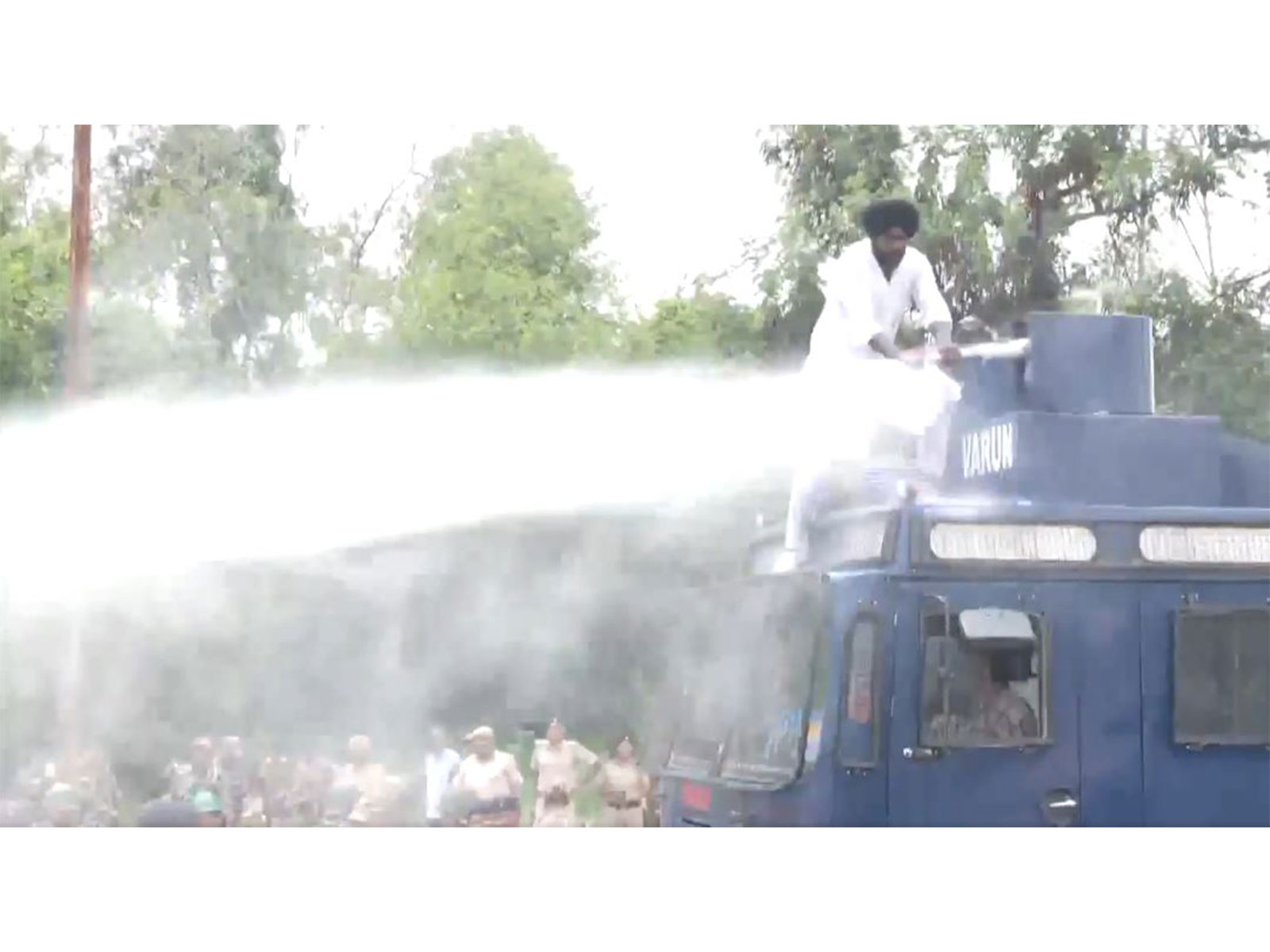
Punjab Police Deploy Water Cannons Against Akali Dal Protests