Experts Mobilised to Address Chandipura Virus Outbreak in India


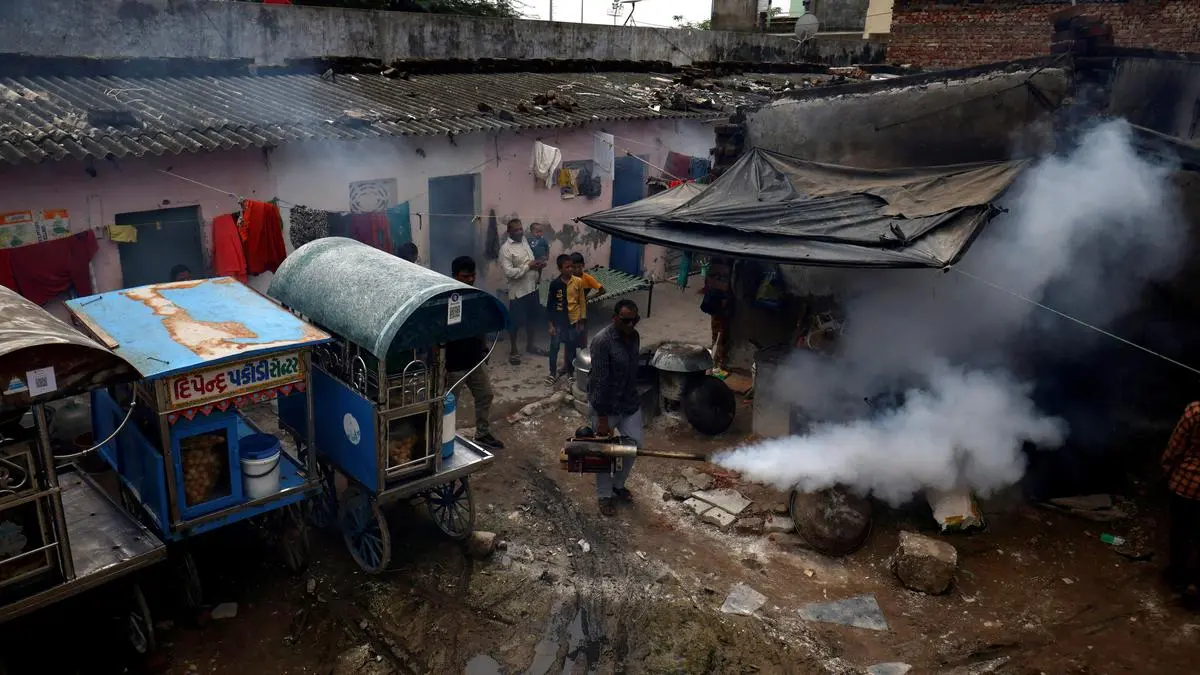
In response to an outbreak of the Chandipura Virus Disease (CHPV), the Indian government has dispatched a National Joint Outbreak Response Team (NJORT) to Gujarat and Rajasthan. According to a statement from the Union Health Ministry, this coordinated effort includes specialists in various fields, such as epidemiology, virology, entomology, and veterinary sciences. Their objective is to investigate the full clinical spectrum of infections caused by the Chandipura virus, ranging from mild fever to more severe conditions such as Acute Encephalitis Syndrome (AES).
The outbreak has reportedly claimed the lives of over 20 children in Gujarat during this monsoon season. The team’s primary focus will be to understand the transmission cycle of the virus. Current scientific consensus identifies sandflies as established vectors, but researchers are also considering the potential roles of other arthropods, including mosquitoes, ticks, and mites.
The team comprises experts from multiple prominent health organisations, including the National Centre for Disease Control (NCDC), the Indian Council of Medical Research (ICMR), and the Department of Animal Husbandry and Dairying (DAHD). This initiative is part of a broader surveillance strategy under the Integrated Disease Surveillance Programme (IDSP) conducted by the NCDC.
This initiative marks one of the most in-depth scientific investigations of the Chandipura virus in recent history. Experts from various ICMR institutes, including the National Institute of Epidemiology in Chennai and the National Institute of Virology in Pune, are coordinating closely with officials from the Gujarat State Health Department to manage the outbreak.
Samples from animals, including cattle and buffaloes, have also been collected for testing, with around 70 blood samples obtained thus far, in addition to milk samples. Preliminary investigations indicate that no conclusions can be drawn until the laboratory analyses are completed.
During a previous outbreak in 2024, scientists collected various vector species but found that none tested positive for the Chandipura virus, leaving the specific vector responsible for transmission unresolved. Further investigation is also underway to determine if there have been any genetic changes in the virus. Whole-genome sequencing of samples from the current outbreak is being conducted at the Gujarat Biotechnology Research Centre, where initial findings have revealed minor genetic variations.
Authorities have called for comprehensive genomic studies to assess the situation fully. Additionally, the ongoing investigations benefit from the country’s Hospital-based Acute Encephalitis Syndrome Surveillance Network, a multicentric programme involving 15 tertiary care hospitals nationwide.

ABVP Wins Majority in Delhi University Students' Union Elections

Rahul Gandhi Criticises Modi Government's Attitude Towards Students

Delhi Chief Minister Faces Scrutiny Over Ongoing Notices

Former Union Minister Detained in Punjab Protest Against CM