Evening Chronotype Linked to Higher Cardiovascular Disease Risk


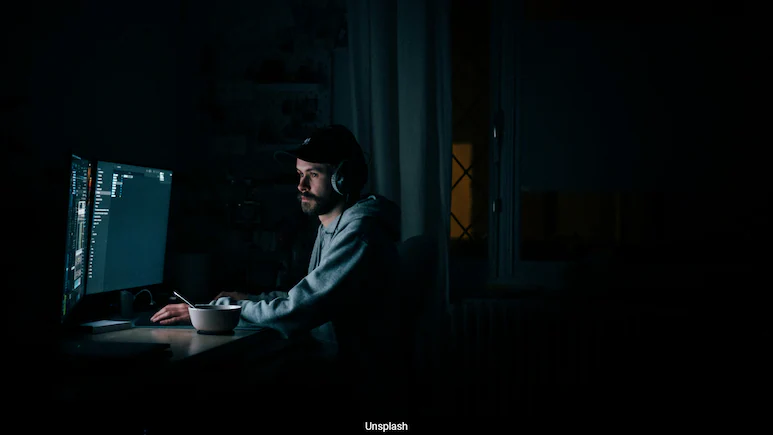
Individuals who identify as having a definite evening chronotype are at an elevated risk for cardiovascular disease (CVD), according to a recent study published in the Journal of the American Heart Association. The study was led by Sina Kianersi, Ph.D., from Brigham and Women's Hospital and Harvard Medical School in Boston.
The research examined a substantial cohort of 322,777 participants from the U.K. Biobank, aged between 39 and 74 years and free from known CVD. The focus was to explore the relationship between chronotype—determined through a single survey question—and cardiovascular health. The findings suggest that individuals who tend to stay up late demonstrably exhibit a 79 per cent higher prevalence of poor cardiovascular health, as measured by Life’s Essential 8 (LE8), a composite of eight recognised cardiovascular risk factors.
The authors posited that the increased cardiovascular risk among evening chronotypes could be attributed to unbecoming lifestyle choices. Kianersi noted, “Evening people may be more likely to have behaviours that can affect cardiovascular health, such as poorer diet quality, smoking, and inadequate or irregular sleep.”
To assess the relationship further, the study differentiated between natural direct effects of chronotype on cardiovascular health and natural indirect effects mediated by LE8 factors. This approach allowed researchers to better understand how lifestyle choices impact cardiovascular risk.
Strikingly, the study highlights a crucial aspect of evening chronotypes: they may lead a lifestyle that negatively influences cardiovascular health outcomes. The implications of these findings suggest that interventions aimed at altering behaviours associated with evening chronotypes, such as improving dietary habits and sleep patterns, could potentially reduce CVD risk in this population.
Overall, this research adds to the growing body of evidence linking sleep patterns, chronotype, and cardiovascular health, emphasizing the need for continued exploration in this area. These findings could provide a foundation for future studies and public health interventions aimed at improving cardiovascular health in individuals based on their chronotype.
As healthcare professionals consider these findings, it becomes imperative to address the lifestyle habits of evening chronotypes to mitigate their heightened risk for cardiovascular disease. The study also underlines the importance of personalized healthcare approaches that take into account an individual's chronotype when assessing CVD risk factors.

Indian Government Declares Shahzad Bhatti Network a Terrorist Outfit
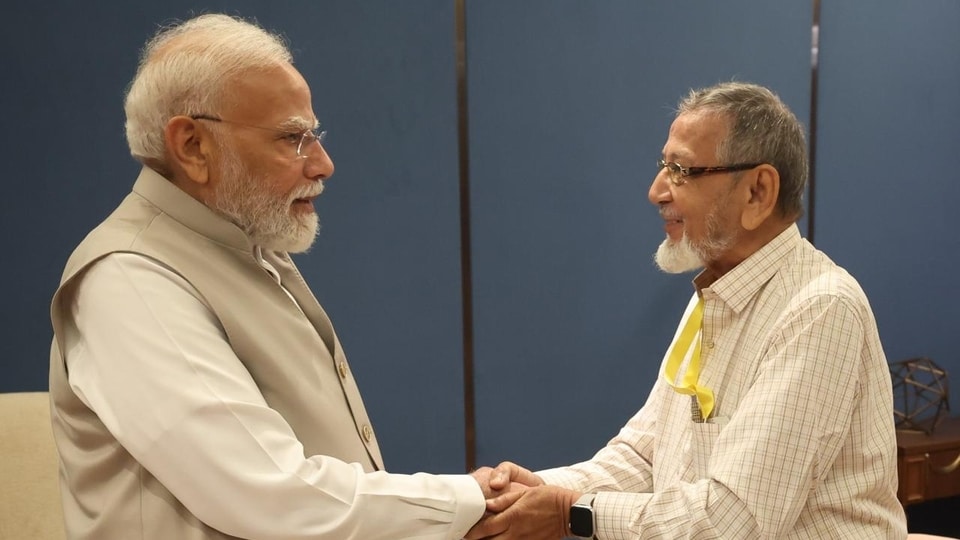
PM Modi Helps Former Schoolmate Recover Land After Long Dispute

Naval Collision in Arabian Sea Heightens India-Pakistan Tensions

Telangana CM Launches Inquiry Into Alleged Land Irregularities