EU Hosts Taliban Delegation for Migration Talks on Deportations


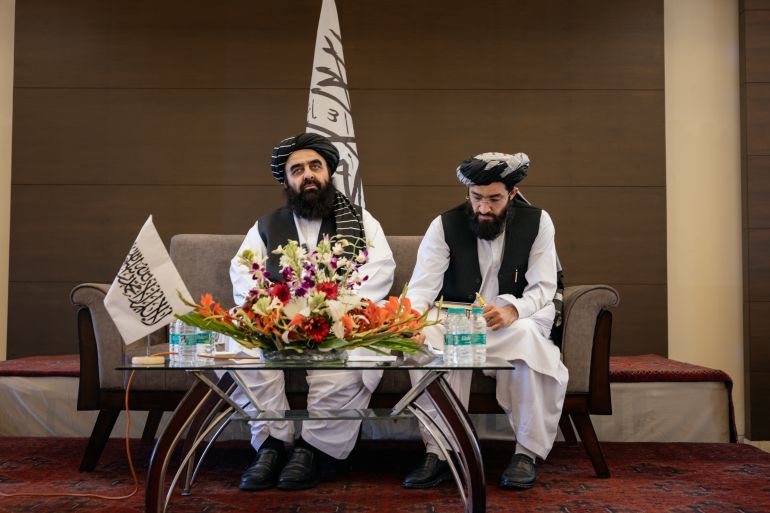
A delegation from the Afghan Taliban will meet with European Union officials in Brussels on Tuesday to discuss migration issues, specifically the deportation of Afghan nationals lacking the right to remain in Europe. This marks the first such US dialogue since the Taliban regained power in Afghanistan nearly five years ago.
Belgium has issued short-term visas to five members of the Taliban delegation following a security review. These visas are valid only for one day, allowing the officials to attend the meeting. A representative from the Belgian Foreign Ministry confirmed the issuance of these visas, indicating they were provided on Monday.
The European Commission has emphasised that the meeting is intended to address irregular migration flows from Afghanistan and the potential repatriation of Afghan individuals whose asylum applications have been rejected. Specific names of the Taliban representatives attending have not been disclosed, with the Commission noting that several senior figures within the group are still under European Union sanctions.
Markus Lammert, a spokesperson for the Commission, stated, "Member States are looking into ways to return persons who have committed serious crimes and who are possibly a security threat. So this is the initiative that the Commission is now following up on." A letter seen by the Reuters news agency, addressed to Abdul Qahar Balkhi, the Taliban's Foreign Ministry spokesperson, confirmed that the focus of discussions will be on the return of Afghan nationals without legal status in the EU.
Despite engaging in talks about deportations, the Commission reiterated that this meeting does not amount to formal recognition of the Taliban government. Since their return to power in August 2021, the Taliban has faced widespread criticism for their human rights record, including limits on women's rights, restrictions on education for girls, and the enforcement of strict moral laws.
European governments previously shut down their embassies in Kabul in response to the Taliban's takeover. Human rights organisations have urged the EU to reconsider its talks with the Taliban, stressing the need for human rights and accountability to take precedence over deporting individuals back to Afghanistan. Fereshta Abbasi, an Afghanistan researcher at Human Rights Watch, said, "Any engagement with the Taliban needs to prioritise protecting human rights and accountability – not deporting people to danger there."
Earlier this month, Magnus Brunner, the EU's migration chief, defended the need for dialogue, stating that the EU had no choice but to negotiate with the Taliban regarding the return of Afghan asylum seekers who entered the EU irregularly. Public sentiment across Europe toward migration has shifted, influencing the policies of governments attempting to manage migration rates, particularly with a rise in support for far-right parties.
From 2013 to 2024, the EU has received roughly one million asylum applications from Afghan nationals, according to statistics from the European Union's migration agency. While acceptance rates for Afghan asylum applications have traditionally been high, tougher migration policies have resulted in stricter criteria for acceptance.
Approximately 20 of the 27 EU member states have expressed a desire to return migrants without legal status, particularly those with criminal convictions. Under EU law, nations can carry out deportations of individuals convicted of serious offences or deemed security threats. However, returns to Afghanistan have been challenging due to the absence of diplomatic relationships, limiting enforcement capabilities.
Markus Lammert reiterated the focus of EU members on individuals involved in serious criminal activities or those posing security risks. However, Afghanistan itself is currently facing a severe humanitarian crisis, with over 17 million people—approximately one-third of the population—lacking food security, according to the United Nations World Food Programme. Additionally, the country is dealing with a surge of returnees from Iran and Pakistan. Eve Geddie, director of Amnesty International’s European Institutions Office, expressed concern, stating, "The desperate scenes of people – including EU staff – fleeing Afghanistan are a recent memory. It is unconscionable that the EU would now try and deport people to Afghanistan, which has only become more dangerous in the meantime."

ABVP Wins Majority in Delhi University Students' Union Elections
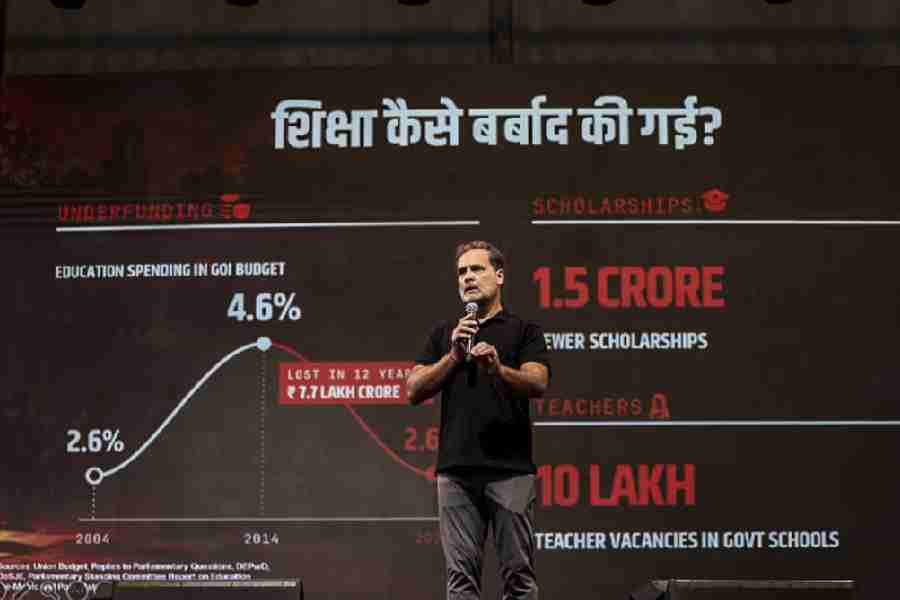
Rahul Gandhi Criticises Modi Government's Attitude Towards Students
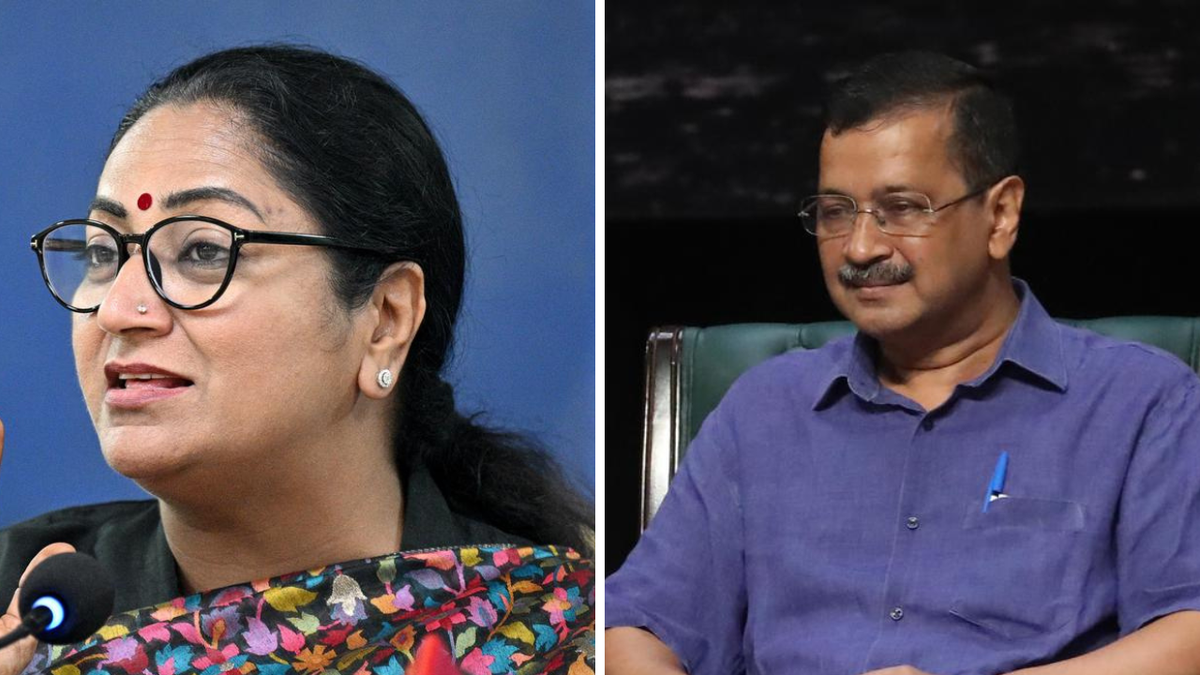
Delhi Chief Minister Faces Scrutiny Over Ongoing Notices

Former Union Minister Detained in Punjab Protest Against CM