Escalation in US-Iran Relations Amid Recent Military Strikes


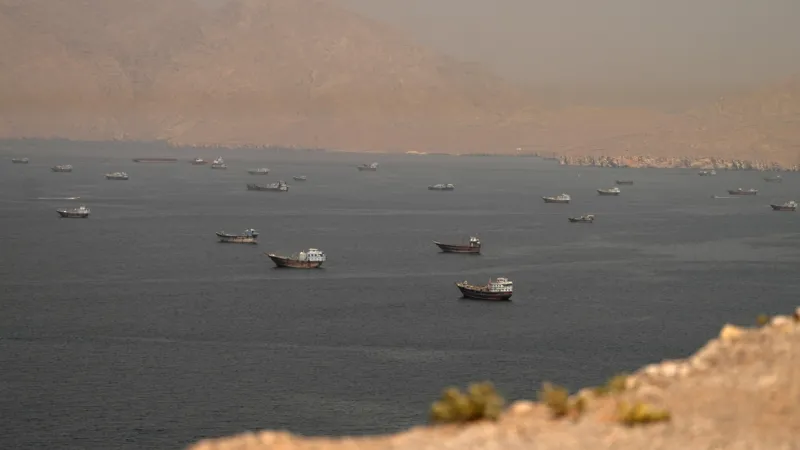
Tensions between the United States and Iran escalated recently following a series of military strikes. The US President announced retaliatory actions against Iran after a drone attack on a Panama-flagged vessel in the strategically significant Strait of Hormuz. The US Central Command stated that multiple targets in Iran were hit, including military resources and communication systems, in response to what they described as 'continued aggression' against commercial shipping.
Donald Trump indicated that the strikes were necessary, hinting at potential further actions if Iran did not adhere to a ceasefire agreement. On his platform, Truth Social, he remarked, "There may come a point when we are no longer able to be reasonable, and will be forced to militarily complete the job that we very successfully started.” This statement suggested that the US is prepared for a significant escalation should provocations continue.
Reports indicate that following the strikes, both Kuwaiti and Bahraini air defence systems were activated due to incoming threats. The Kuwaiti Armed Forces warned the public to stay alert and follow safety protocols. Bahrain's Ministry of Interior similarly urged its citizens to remain calm and seek shelter as air raid sirens were activated for a second consecutive day.
These military actions by the US come after a drone targeted the MV Ever Lovely, a Singapore-flagged cargo ship, reinforcing the volatile situation in the Gulf region. The attack on maritime vessels has raised concerns about the safety of commercial navigation in this crucial waterway, which is vital for oil and gas shipments.
Despite the US strikes, reports suggest that commercial shipping activities continue in the Strait of Hormuz. The US maintain that Iran had breached a ceasefire deal agreed upon in June, which was designed to ensure safe passage without additional fees in the strait. Iran, in turn, has described the US response as a violation of this same agreement, stating that their actions were a necessary countermeasure.
In the wake of these hostilities, Gulf nations, including Oman, Kuwait, and the United Arab Emirates, have condemned the attacks on shipping and expressed solidarity with Bahrain, following an alleged Iranian drone strike on its territory. Oman's government affirmed its commitment to supporting regional stability and safeguarding the sovereignty of its neighbours.
The recent events have raised questions about the viability of ongoing negotiations aimed at de-escalating tensions in the region, particularly regarding Tehran's control over the Strait of Hormuz. For Iran, access to this waterway is a critical leverage point in negotiations with the US and highlights the precarious nature of security in the Gulf.
As the situation unfolds, both parties appear at an impasse, with concerns mounting over the potential consequences of military escalation. Fresh discussions among regional players are anticipated as officials seek to address these urgent security challenges and find pathways to peace.
The international community is monitoring the situation closely, with implications not only for the Middle East but for global oil markets and maritime security. Further updates are expected as developments continue.

BJP Allies Urge Election Commission to Address Public Concerns

Thousands of Ganesh Idols Immersed in Telangana Festivities

Jaishankar Calls Attacks on Civilian Shipping ‘Indefensible’

Indian Prime Minister Urges Integration of Social Reforms in Governance