Escalating Violence in Manipur: A Three-Year Ethnic Conflict


Following a prolonged period of ethnic conflict, the northeastern Indian state of Manipur remains in turmoil, facing renewed violence that could exacerbate existing tensions. The latest bout of unrest occurred after a bomb explosion in early April, which killed two young children and wounded their mother in the Bishnupur district.
Manipur, which shares a 400-kilometre border with Myanmar, is marked by significant demographic divides, notably between the predominantly Hindu Meitei community and the mainly Christian Kuki-Zo group. These divisions have led to ongoing clashes, with recent events further entrenching community lines and raising questions about the effectiveness of the government led by Prime Minister Narendra Modi.
Since the onset of the conflict three years ago, efforts including changes in leadership and administration have failed to bridge the gap between these communities. The Bharatiya Janata Party (BJP), which governs the state, has faced criticism regarding its inability to halt the violence, evidenced by the deaths of more than 260 individuals and the displacement of around 60,000 people into relief camps, according to civil society sources.
The cycle of violence intensified on April 7 when a bomb detonated in the Tronglaobi Awang Leikai area, resulting in the devastating loss of two children from the Meitei community. Their father serves in the Border Security Force, a paramilitary organisation. Meitei leaders have attributed blame for the attack to Kuki fighters, a claim that Kuki representatives have categorically denied, insisting that the area is not in proximity to their territories.
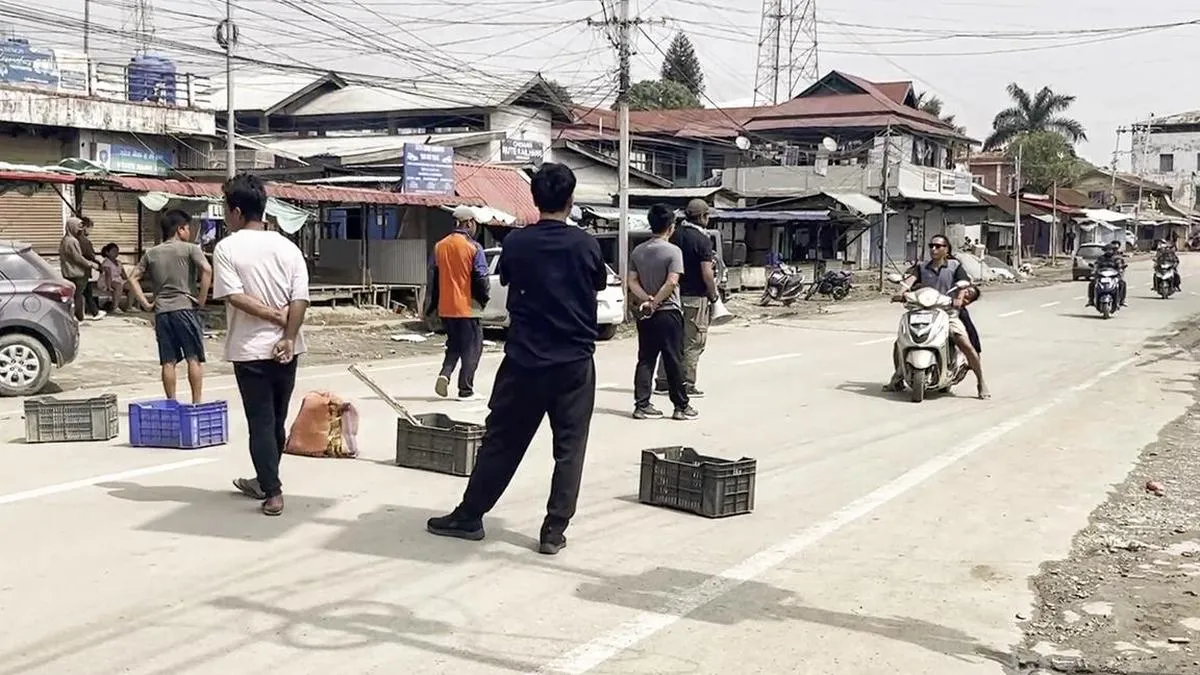
In the wake of the tragedy, protests erupted across the state, leading to widespread demonstrations, including blockades of key roads and confrontations with law enforcement. Security forces have since fired upon protesters, resulting in further fatalities and injuries, reigniting fears of spiralling violence.
Historically, the Meiteis have predominantly occupied the valley region, while the Kuki and Naga communities reside in the surrounding hills. British colonial rule integrated Manipur into India in 1947, after which certain land regulations were established to maintain demographic balances. Over the years, however, ethno-nationalist movements have emerged within the state, with factions from various communities advocating for territorial autonomy.
In 2023, tension surged following the Manipur High Court's controversial ruling, which many believe favoured the Meitei community and threatened the Kuki-Zo's job opportunities and political representation. Prime Minister Modi has faced scrutiny for not visiting the troubled region despite significant unrest, which has raised doubts about his government's commitment to resolving the crisis.
In February 2025, the state’s chief minister, Nongthombam Biren Singh, resigned amid intensifying discontent and political pressure stemming from escalating violence. Following his resignation, new leadership under Yumnam Khemchand Singh addressed the media but refrained from pinpointing specific groups responsible for the recent violence, suggesting that the conflict stems from individuals with vested interests in fuelling discord.
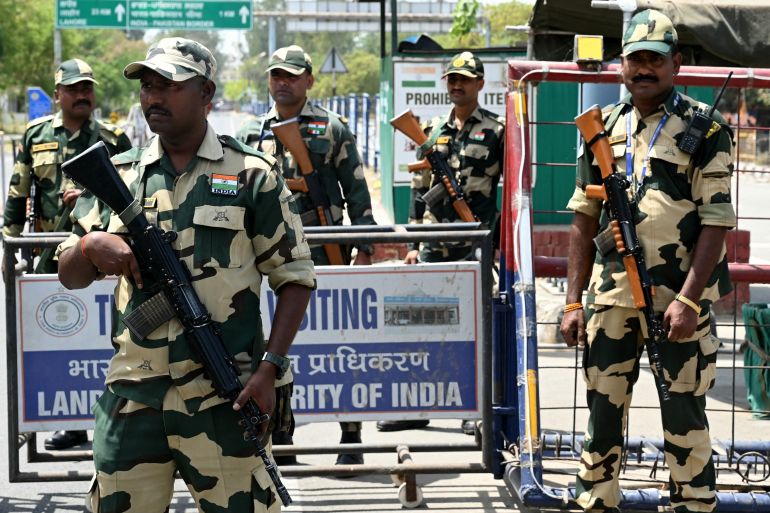
As of now, parts of Manipur remain heavily militarised, with over 250 units of Central Armed Police Forces deployed to maintain order. Nevertheless, the social fabric of the state continues to fray as segregated communities live under the shadow of ongoing conflict. The agricultural landscape in the region has also suffered, as much of the available farmland sits within heavily policed buffer zones that inhibit access for both the Meitei and Kuki-Zo peoples.
As Manipur grapples with these recurring outbreaks of violence, the outlook for peace remains uncertain, marked by a deepening rift between its communities and an unfulfilled promise of resolution from state authorities.
Kerala Initiates Probe into 2006 Suicide Case Involving CEC
Extradition of Sheikh Hasina Feasible, Says Indian High Commissioner

Punjabi Makeup Artist Mad Sandhu Shot Dead in Amritsar
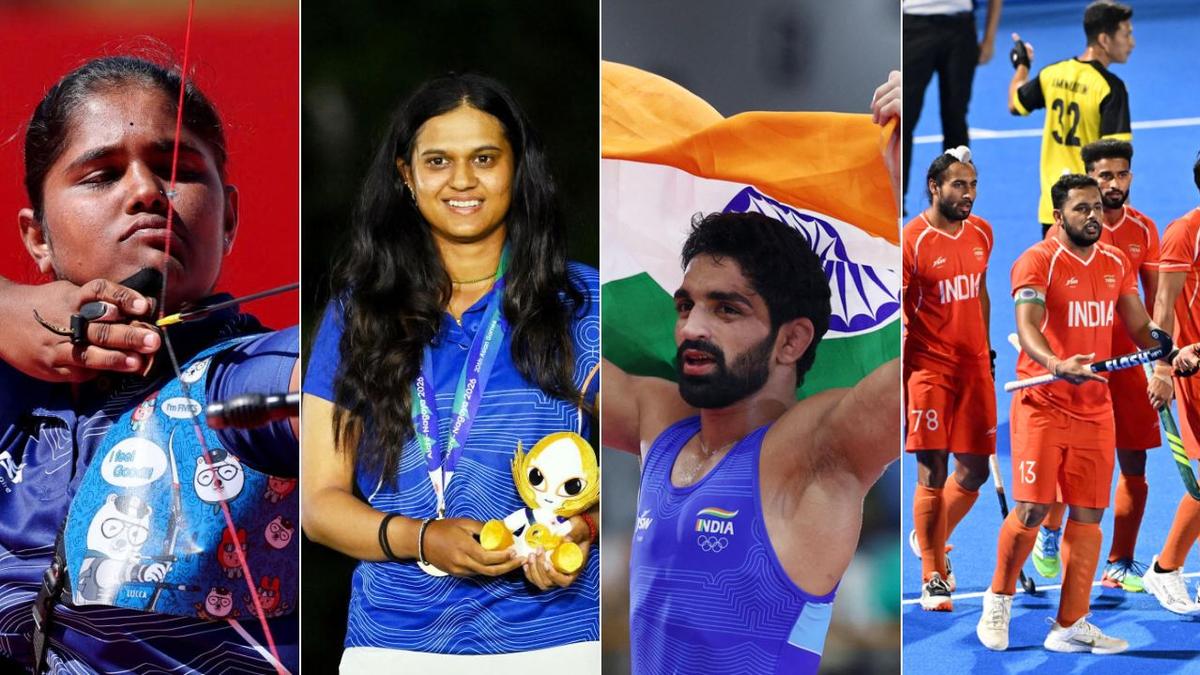
India Achieves Fourth Place at Asian Games 2026 Through Late Success