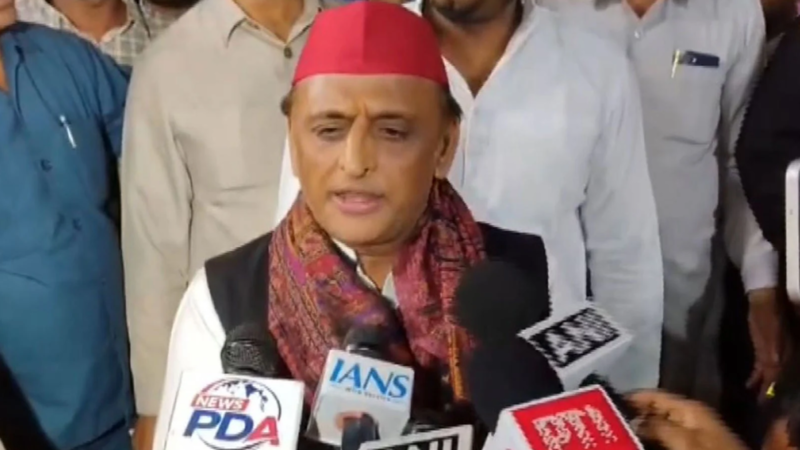
Emmanuel Macron Calls for European Crewed Spaceflight Initiative


French President Emmanuel Macron has called for Europe to develop its own crewed spaceflight capabilities within the next decade, highlighting the need for the continent to enhance its role in the global space sector. Macron's remarks came during an international space summit held in Paris, which saw notable absences from several major American companies, including SpaceX and Blue Origin.
"We want Europe to assert its ambition in crewed spaceflight," Macron stated, emphasising the fragility of the continent's current space programme. He urged for increased efforts to transition from relying on foreign spacecraft to establishing an independent European presence in space.
His appeal coincided with statements from Josef Aschbacher, the head of the European Space Agency (ESA), who stressed the urgency for investment and development within Europe's space sector. Aschbacher posed a crucial question during his address: "Will we be passengers or pilots?" His remarks were aimed at encouraging European leaders to seize the opportunity for technological advancement as global interest in space grows.
Despite ongoing efforts, Europe has yet to conduct its own crewed mission and has relied on the United States and Russia for such capabilities. Macron outlined a series of ambitious milestones that he wants Europe to achieve in the coming years.
"In two years, I want to see the first European cargo capsule, Nyx, dock with the International Space Station; in five years, the first European lunar lander, Argonaut, should land on the Moon," he added. Additionally, he set a goal for a European manned capsule to launch from Kourou in French Guiana, carrying astronauts from Europe and partner nations within a decade.
The financial implications of these goals are substantial, with Aschbacher estimating that approximately one billion euros annually would be needed to develop an independent capacity in space. He pointed out that relying on foreign providers for launching European astronauts could cost around five billion euros over the next ten years, diverting funds away from potential jobs and technological growth within Europe.
Attention now turns to the anticipated ministerial meeting of ESA member states in December, where future funding and direction for the agency will be discussed. Last year, the ESA secured a budget of 22.1 billion euros to bolster its upcoming programmes. As Europe aims to enhance its space capabilities, the developments at this summit underscore the importance of establishing a robust and self-sufficient space programme for the continent.

Ceasefire Agreed in Oleshky Amid Ukraine's Humanitarian Crisis
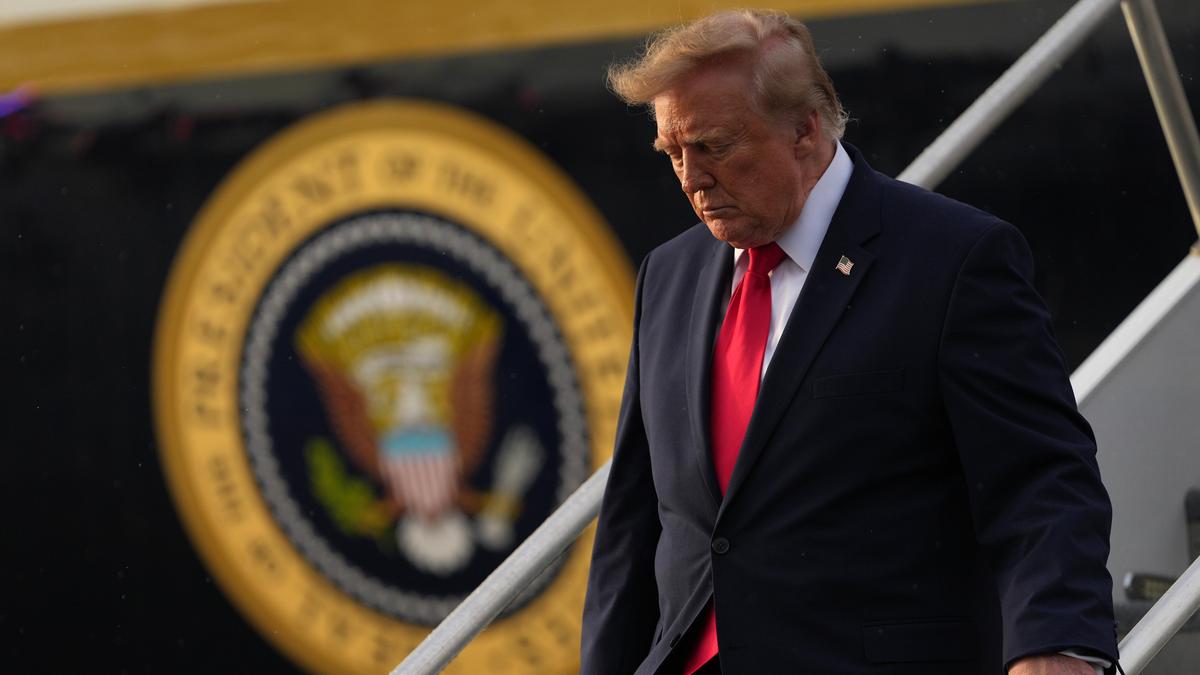
Donald Trump Hints at US Interest in Cuba After Conflict in Iran
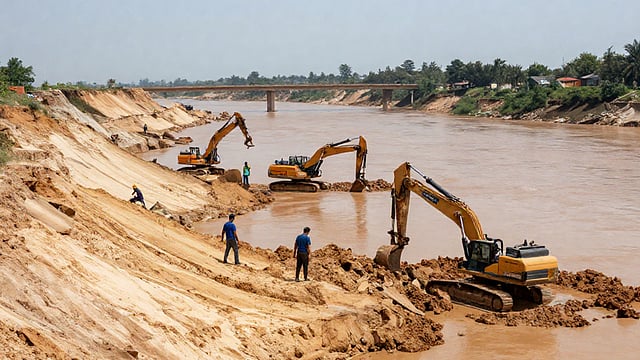
UK Court Rules Against India in RAKIA Investment Dispute
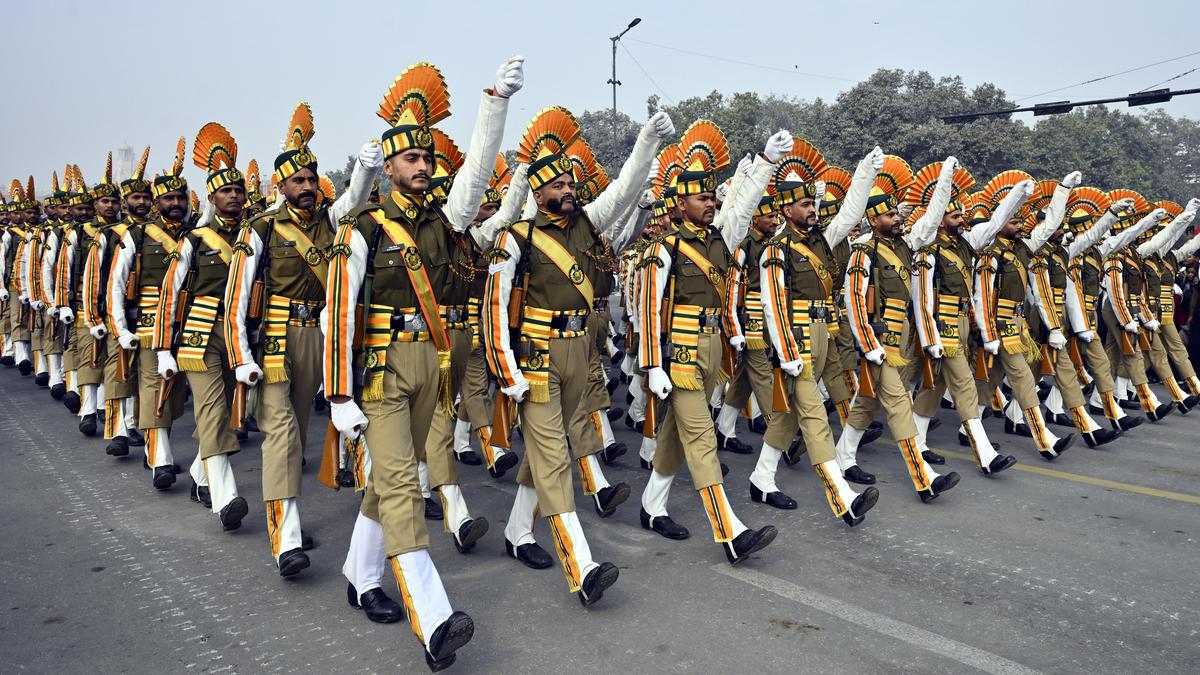
India Raises Concerns Over Chinese Border Patrolling Deviations