Ebola Outbreak in Congo Surpasses 1,000 Cases and 254 Deaths


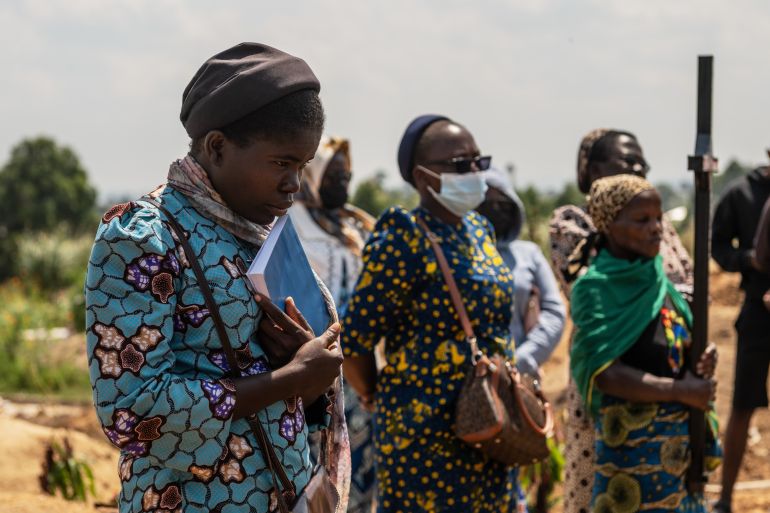
The Ebola outbreak in the eastern region of the Democratic Republic of the Congo has now officially surpassed 1,000 confirmed cases, according to health officials. As of June 21, 2026, there are 1,003 reported infections and 254 deaths attributed to the outbreak, which began on May 15 in Ituri Province. The situation is further complicated by ongoing violence and mass displacement, affecting containment efforts.
To date, 100 individuals have recovered from the virus, while at least 365 patients remain in hospitals or isolated facilities. The outbreak is caused by the Bundibugyo strain of Ebola, which currently lacks an available vaccine or specific treatment. It has been noted that this outbreak represents the worst recorded incidence within its initial month.
Authorities have expressed concern that many additional cases may be going unreported and warned that the peak of the outbreak could be yet to come. Currently, contact tracing efforts have only reached around 55% of those potentially exposed, highlighting significant weaknesses in the response to the epidemic.
Dr. Jean Kaseya, Director-General of the Africa Centres for Disease Control and Prevention, stated, "If you want to control an outbreak, especially an Ebola outbreak, you must know the index case. We don’t have confidence in when this outbreak started." This lack of information poses a challenge to the effective management of the crisis.
Violence stemming from the activities of armed groups, notably the Allied Democratic Forces, has severely hindered access to affected communities. The ongoing conflicts have led to thousands of people fleeing their homes, compounding the difficulties faced by health officials as they work to combat the virus.
At a major displacement camp in Kigonze, near Bunia—where over 20,000 displaced individuals currently reside—officials reported ten mysterious deaths last week, raising alarms about a potential outbreak among the camp residents. Although no Ebola cases have been officially confirmed at the camp, the exceptional mortality rate necessitates immediate investigation.
Charite Banza, a civil society leader in Ituri, warned, "If a disease or epidemic were to spread among the thousands of people living at this site, it would be a real catastrophe, given our already very precarious living conditions.”
The international community is closely observing the situation, as the United Nations refugee agency has noted that at least 2 million people in the Congo have been displaced due to conflict and are therefore at increased risk of Ebola.
As authorities continue their efforts to contain the virus, the combination of violence and displacement stands as a major impediment to public health efforts in the region. The evolution of this outbreak will be crucial as the response develops over the coming days and weeks.

Concerns Rise Over Delhi Voter Registration Discrepancies

Controversy Erupts Over Rahul Gandhi's PM Modi Mimicry at Event

Father of IIT Bombay Student Calls for Action Against Discrimination

India and Japan Conduct Joint Air Exercise 'Veer Guardian-2026'