Ebola Outbreak in Congo: Over 100 Deaths Recorded in New Surge


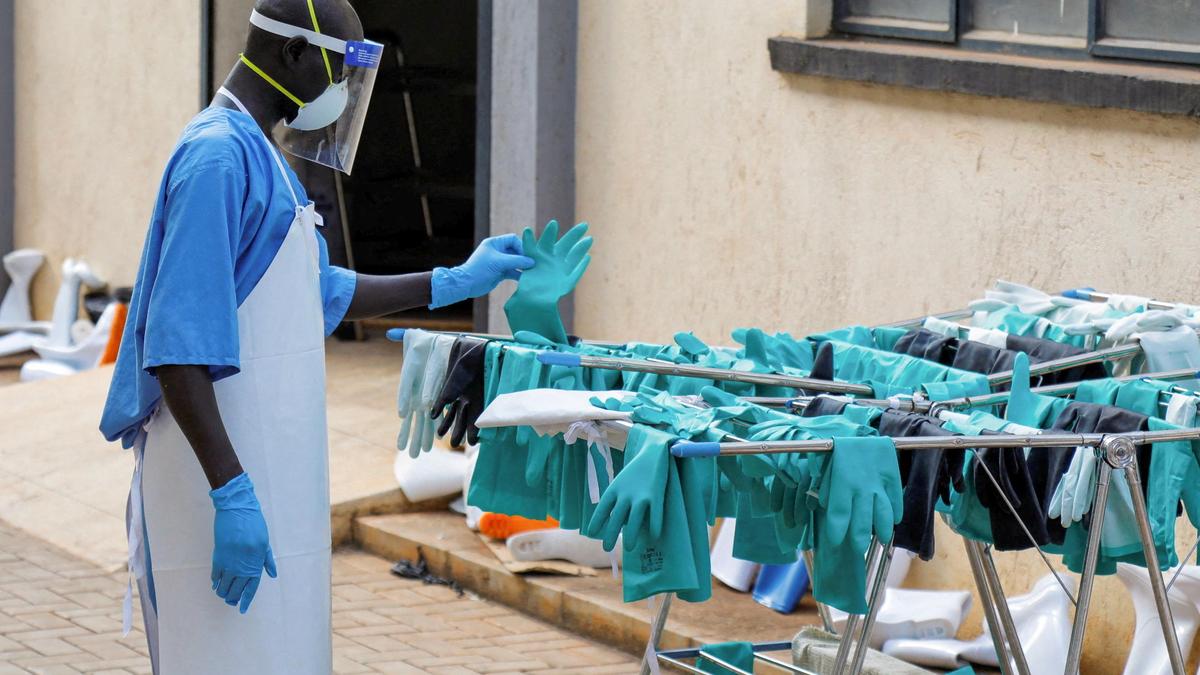
Authorities in the Democratic Republic of the Congo have confirmed that at least 100 individuals have died from an Ebola outbreak barely a month after it was declared in eastern Congo. As of June 7, the outbreak, primarily in the Ituri province, has resulted in 550 confirmed cases and 19 recoveries.
The crisis is exacerbated by local scepticism towards health workers, attacks on medical personnel, and ongoing armed conflicts that impede response efforts. The situation has escalated to the point where more than 90% of the cases are concentrated in Ituri, with reports also emerging from the neighbouring North Kivu and South Kivu provinces, as well as across the border in Uganda.
Health officials believe that the actual number of cases could be even higher, attributing this to a delayed confirmation of the outbreak and the lack of an approved vaccine or treatment for the Bundibugyo strain of the Ebola virus. Unlike the more common Zaire strain responsible for previous outbreaks, the Bundibugyo virus poses unique challenges.
The surge in reported cases is partially due to improved diagnostic capabilities, which have allowed for the testing of a backlog of samples. However, frontline workers face significant challenges as they are often inadequately compensated and endure insufficient rest. They have also reported incidents of violence from the community, making it difficult to access some areas, particularly those embroiled in ongoing armed conflict.
According to the World Health Organization, the instability in eastern Congo, which has experienced continuous violence from various rebel and militant factions, has further constrained containment efforts. The WHO stressed the importance of collaboration with local leaders and communities for an effective response.
Tedros Adhanom Ghebreyesus, Director-General of the World Health Organization, has praised the Ugandan response to the outbreak, noting that the nation has implemented border screenings and robust health management systems. However, he also called for Uganda to reconsider its closure of borders with the DRC to facilitate better response strategies and alleviate economic strains.
The outbreak highlights not only health concerns but also the risk of aggravating food insecurity in the region, which is already facing severe humanitarian crises. As the number of cases continues to grow, both local and international responses will be critical in controlling this deadly disease.
Kerala Initiates Probe into 2006 Suicide Case Involving CEC
Extradition of Sheikh Hasina Feasible, Says Indian High Commissioner

Punjabi Makeup Artist Mad Sandhu Shot Dead in Amritsar

India Achieves Fourth Place at Asian Games 2026 Through Late Success