Discipline Reform Enhances Household Welfare in China


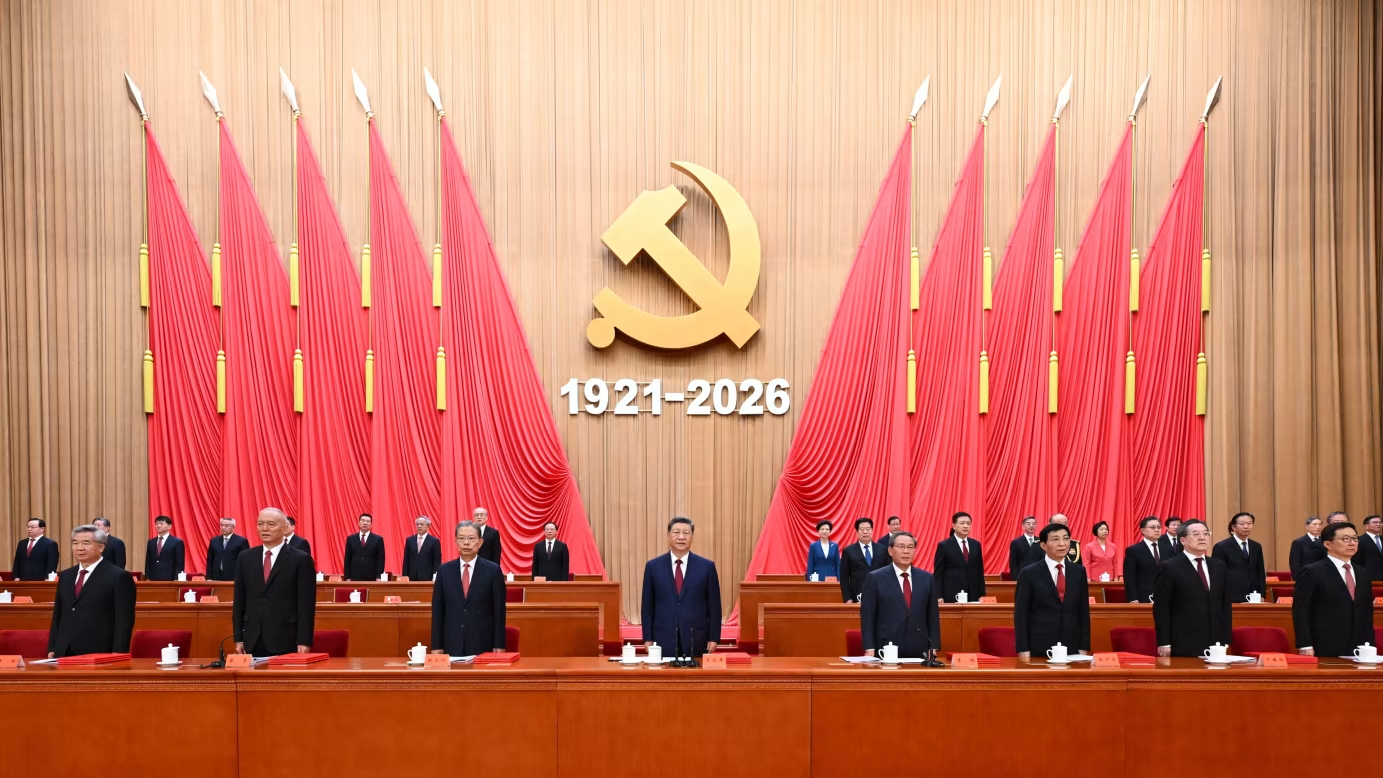
The recent Fifth Plenary Session of the 20th Central Committee of the Communist Party of China (CPC) culminated in a communique that has garnered considerable attention. The document underscored the importance of continuing the comprehensive governance of the Party and called for the implementation of Xi Jinping's Thought on Party building. This ideological framework is not newly introduced; it embodies principles that have been refined since the 18th National Congress of the Party, aimed at strengthening governance moving into the new Five-Year Plan period.
The communique articulates seven guiding principles for Party self-governance in the current era: serving the mission and tasks; prioritising political development; pursuing strict and comprehensive governance; focusing on problem-solving; balancing fundamental principles with innovation; leading by example; and ensuring governance adheres to established rules. These principles are designed to consolidate best practices in exercising Party self-governance, offering a replicable methodology amidst current political challenges.
Significantly, the discourse surrounding Party discipline is shifting. It is increasingly viewed as a governance tool with direct implications for ordinary citizens' lives. As the communique highlights, the need to adopt a 'correct view of political performance' is critical, as this language signifies a move towards accountability within the Party. The measures outlined remind officials that their responsibilities must be clearly defined and regulated, reducing the risk of inaction or inefficacy.
Under this framework, local governments are now mandated to disclose a detailed list of minor official powers at the grassroots level. This transparency aims to clarify administrative processes and enhance accountability. To further bolster governance, supervisory bodies are implementing mechanisms for discipline, inspections, and audits, particularly concerning projects that directly affect citizen welfare. The focus on tangible outcomes is evident; officials will be evaluated based on measurable results rather than mere presentation of initiatives or inflated statistics.
The reality of how these reforms benefit citizens can be illustrated by recent statistics. In 2025, disciplinary and supervisory authorities reported investigating nearly one million cases related to misconduct and corruption that impacted public interests, leading to the disciplining of approximately 627,000 individuals. Such actions directly translate into practical benefits for families, including the recovery of wages and refunds for improper fees.
The impact of stringent discipline extends to various sectors, including education and healthcare. Initiatives have seen the establishment of parent oversight committees for school meal programmes and rigorous inspections in the medical sector aimed at curbing fraudulent health claims. While the financial impact may seem modest relative to broader governmental expenditures, these efforts are crucial for restoring public trust.
Technological advancements and community participation are playing crucial roles in this reform framework. For the first time, big data analytics are utilised to identify discrepancies that might evade conventional oversight, as evidenced in Qingyun County, Shandong Province, where suspicious activities led to serious disciplinary actions against officials.
Moreover, a novel 'mass evaluation' approach has been introduced, inviting residents to assess the effectiveness of governance and intervention measures. While this system may not align with Western electoral accountability, it introduces a level of responsiveness that holds local officials accountable to the constituents they serve.
International observers are left to ponder the effectiveness of this governance model. While it starkly contrasts with Western frameworks, it seeks to address a common challenge: ensuring accountability among local bureaucrats. Overall, the evolving Party discipline reform aims to establish a more robust governance structure that prioritises citizen welfare effectively.

Delhi Traders Report Rs 10,000 Crore Loss Amid INDIA Bloc Rally

Panchkula School Principal Suspended Following Assault on Student
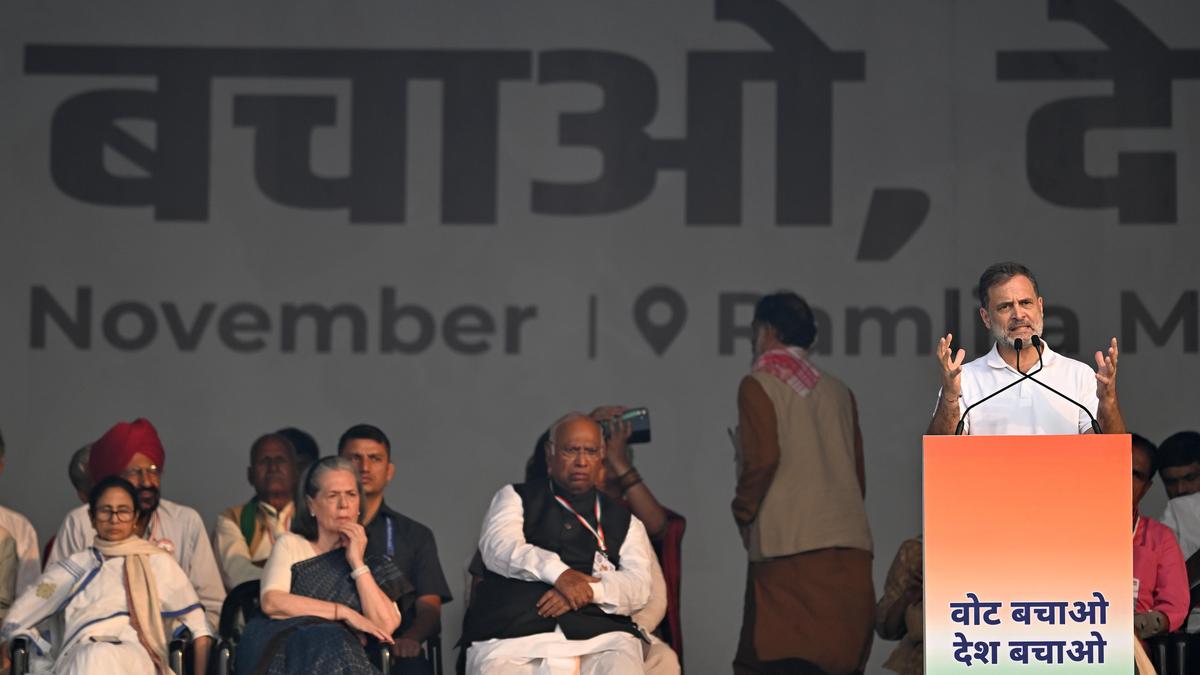
Opposition INDIA Bloc Calls for Legal Action Over Alleged Electoral Fraud

Nita Ambani Launches Major Care Project on Her Birthday