Delhi-Meerut RRTS Launch: Record 100,000 Riders on First Day


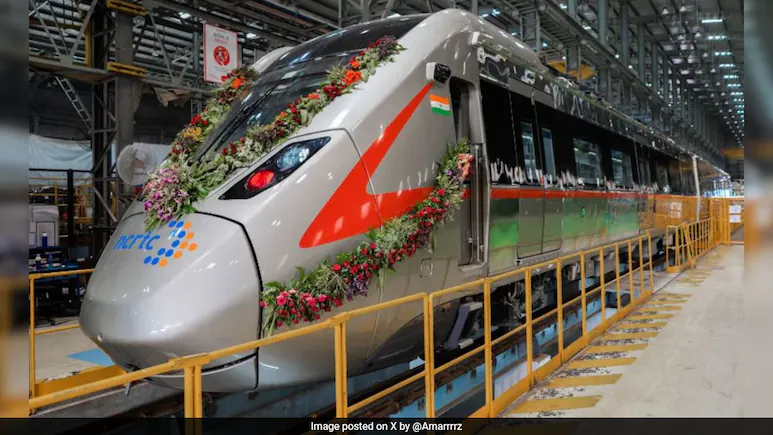
The Namo Bharat Regional Rapid Transit System (RRTS) connecting Delhi, Ghaziabad, and Meerut has marked a significant milestone, recording over 100,000 passengers on its inaugural day. This achievement came shortly after Indian Prime Minister Narendra Modi officially opened the remaining sections of the project on Sunday. The newly inaugurated sections include a five-kilometre stretch from Sarai Kale Khan to New Ashok Nagar in Delhi and a 21-kilometre route between Meerut and Modipuram in Uttar Pradesh.
The National Capital Regional Transport Corporation (NCRTC) reported that with trains set to run until 10pm, they anticipated the ridership could continue to climb. This milestone signifies the highest number of commuters for the corridor thus far, reflecting substantial public interest in the new transportation alternative.
Solidarity among passengers was palpable, with chants of "Bharat Mata ki Jai" echoing through the train coaches as commuters relished their first journeys on the Meerut Rapid train. The scenes captured in a video showcased the enthusiasm of passengers who were eagerly taking photographs during their rides. Reports indicate that there was considerable anticipation among passengers at the Begumpul station in Meerut, with many forming orderly queues at ticket counters and platforms. Station personnel assisted first-time users, providing them with guidance on safety measures.
The Delhi-Meerut RRTS is engineered to achieve speeds of up to 180 kilometres per hour. The entire corridor spans a distance of 82.15 kilometres, with the overall cost of the project amounting to ₹30,274 crores. Travelling from Delhi to Meerut on this rapid transit line is expected to take just 55 minutes, with train services operating at a frequency of every 15 minutes across 16 stations.
Additionally, the Meerut Metro operates with the same infrastructure as the Namo Bharat RRTS, boasting a maximum operational speed of 120 kilometres per hour. In contrast, the conventional lines of the Delhi Metro operate at average speeds of 45 to 75 kilometres per hour, which highlights the efficiency of the new transit system. The Meerut Metro journey is designed to cover its entire route in approximately 30 minutes, inclusive of all scheduled stops along the way.
Kerala Initiates Probe into 2006 Suicide Case Involving CEC

Extradition of Sheikh Hasina Feasible, Says Indian High Commissioner

Punjabi Makeup Artist Mad Sandhu Shot Dead in Amritsar

India Achieves Fourth Place at Asian Games 2026 Through Late Success