Delhi High Court Requests Centre's Response on LPG Aadhaar Policy



On Wednesday, the Delhi High Court called for responses from the Central government and various oil and gas companies regarding a public interest litigation (PIL) challenging the requirement that domestic liquefied petroleum gas (LPG) consumers complete biometric Aadhaar authentication by October 1 to access subsidised refills. This mandate has sparked concerns about its implications for accessibility, particularly for individuals with disabilities.
The bench, comprising Chief Justice Devendra Kumar Upadhyaya and Justice Tejas Karia, highlighted the issue that not all residents possess Aadhaar, yet they consume LPG, indicating potential inequities. The court is set to address the matter again on October 5.
The PIL was filed by Pulkit Luthra, a lawyer with 75% visual impairment, who contested a letter issued by the Ministry of Petroleum and Natural Gas on September 17. This letter directed oil marketing firms to enforce the biometric authentication requirement. Luthra argued that the biometric system, especially that requiring iris recognition, poses significant challenges for those with visual disabilities.
Under the current framework, consumers who are unable or unwilling to authenticate via Aadhaar would have to purchase LPG at market prices in smaller 5kg or 10kg cylinders, depending on availability. Luthra claims this does not provide a viable alternative, as it would deprive consumers of access to the regular 14.2 kg domestic cylinder at a subsidised rate.
In his plea, Luthra holds that the Aadhaar authentication requirement exceeds the permitted scope outlined in Section 7 of the Aadhaar Act, 2016. He emphasised that it fails to adhere to the Supreme Court's ruling in the case of KS Puttaswamy, which asserted that mandatory Aadhaar use constitutes a violation of the fundamental right to privacy.
"Compulsory Aadhaar authentication must be sanctioned by law," the petition stated. Luthra argues that the requirements laid out in the government's directives exceed what is permissible under the Aadhaar Act and lack any statutory foundation, thus invalidating the executive's authority to impose such a mandate. Furthermore, the lawsuit claims that the new policy is arbitrary, disproportionate, and contravenes Articles 14 and 21 of the Constitution as well as the Rights of Persons with Disabilities Act, 2016.
The petitioner was represented by Senior Advocate Parag P Tripathi, alongside a team of advocates including Sanyam Saxena, Puneet Sharma, Aditi Bhushan, Vibha Narang, Harshit Luthra, Pulkit Luthra, and Aprajita Sen. The legal proceedings underscore the ongoing discourse regarding the balance of technology use in governmental processes and the rights of vulnerable segments of society.
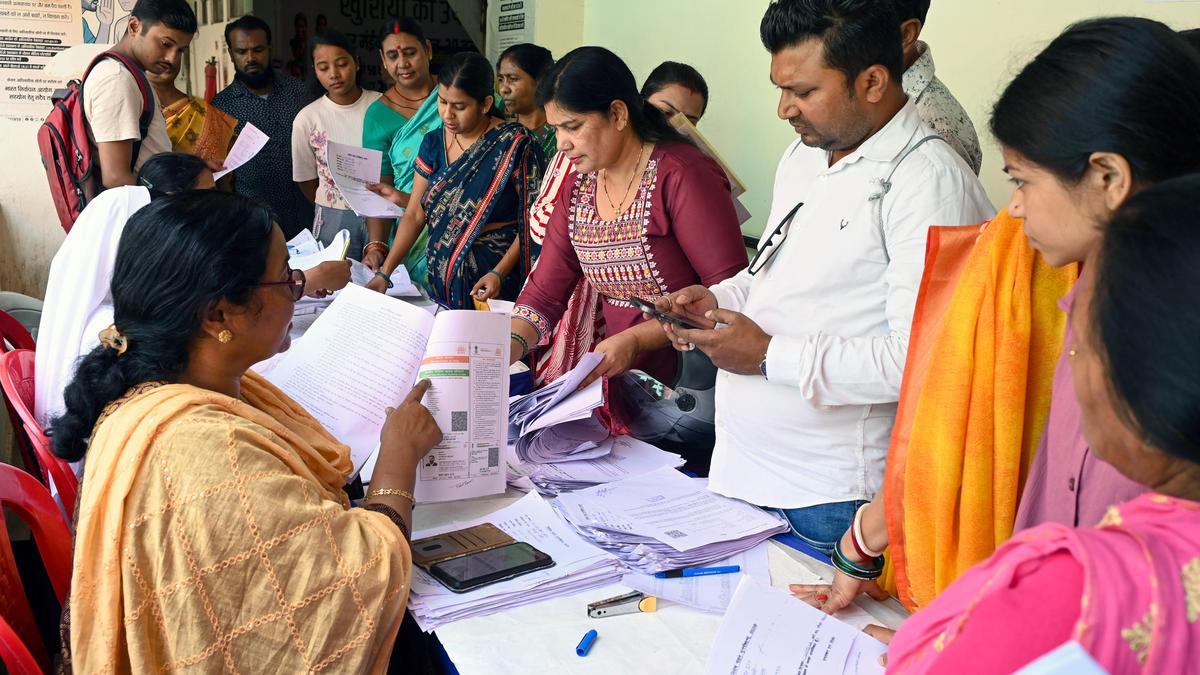
Election Commission Extends Deadlines for Andhra Pradesh and Meghalaya
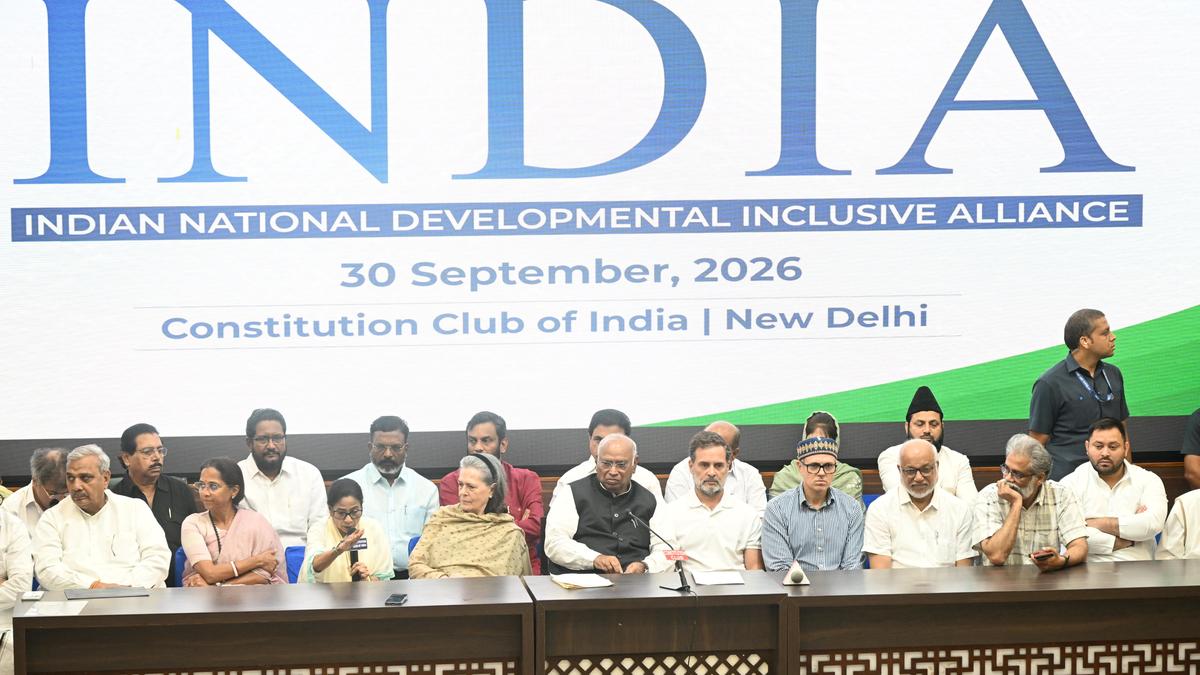
INDIA Bloc Announces Nationwide Campaign Against Chief Election Commissioner
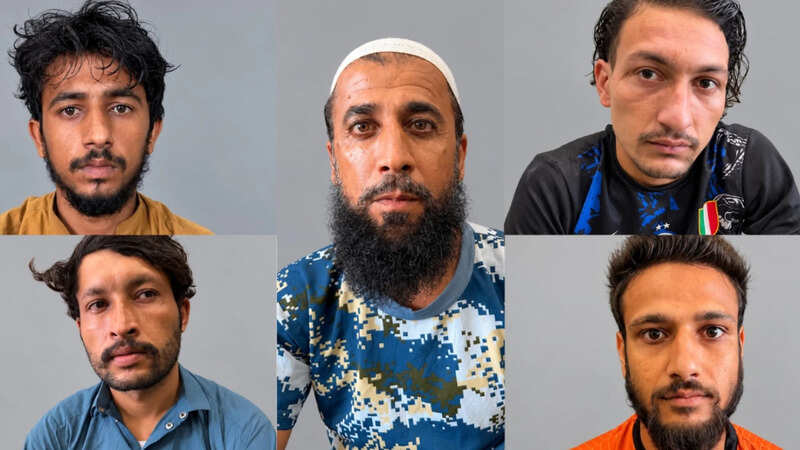
Gujarat Authorities Seize ₹3,000 Crore Worth of Drugs at Sea
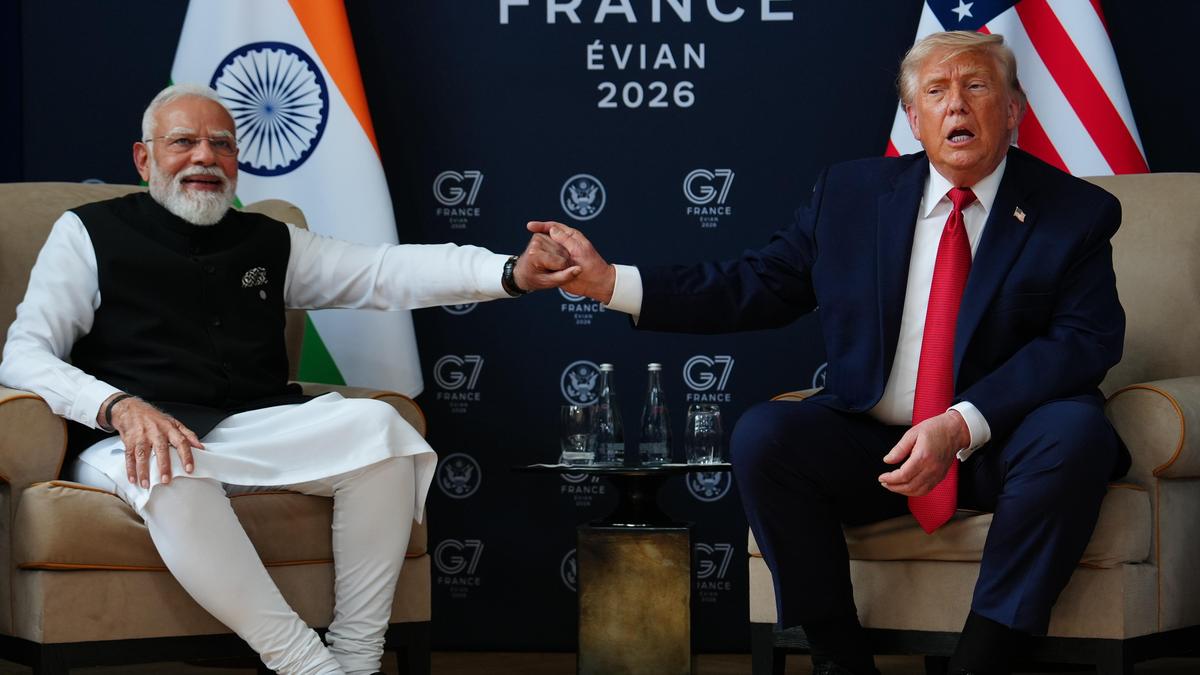
Modi and Trump Discuss Bilateral Cooperation in Key Sectors