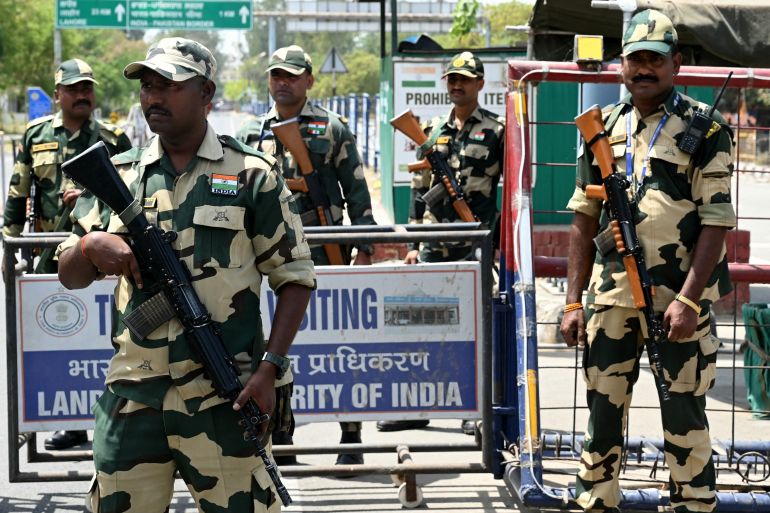
Delhi Enhances Security Measures Ahead of BRICS Summit


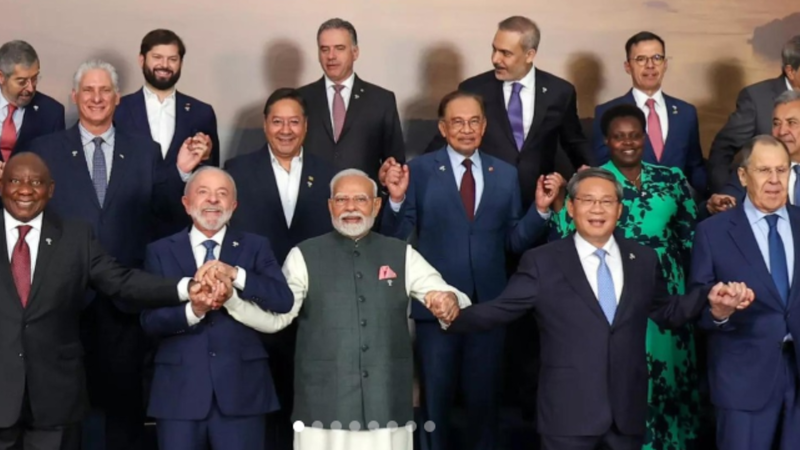
In light of the forthcoming BRICS summit scheduled for September 12-13 in New Delhi, authorities are establishing a comprehensive security framework to ensure the safety of delegates and attendees. The enhanced measures aim to address potential security challenges in a city that welcomes a range of international visitors, including heads of state from member countries.
Key components of the security plan include the deployment of additional police forces and collaboration with various intelligence agencies. Authorities have reported that restrictions on certain areas within the capital will be enforced to facilitate secure movement for the summit participants.
Delhi Police are also focussing on high-tech surveillance solutions, increasing the presence of CCTV cameras across strategic locations. The use of drones for aerial monitoring is also being explored to enhance situational awareness during the summit.
Local officials emphasize the importance of thorough preparations, underscoring the significance of the BRICS summit in strengthening international cooperation among Brazil, Russia, India, China, and South Africa. "We are committed to ensuring a secure environment for all delegates," stated a senior official from the Delhi Police Department.
The city has previously hosted high-profile international events, which required similar measures. The successful implementation of these security protocols is expected to demonstrate Delhi's capability in managing global events.
As the city gears up for this major diplomatic gathering, collaboration among various law enforcement and intelligence agencies is seen as essential. The focus remains not only on immediate security but also on the overall safety of the city's residents and visitors during the upcoming days surrounding the summit.
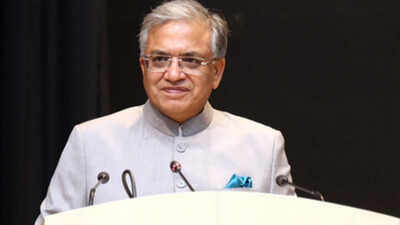
Kerala Initiates Probe into 2006 Suicide Case Involving CEC
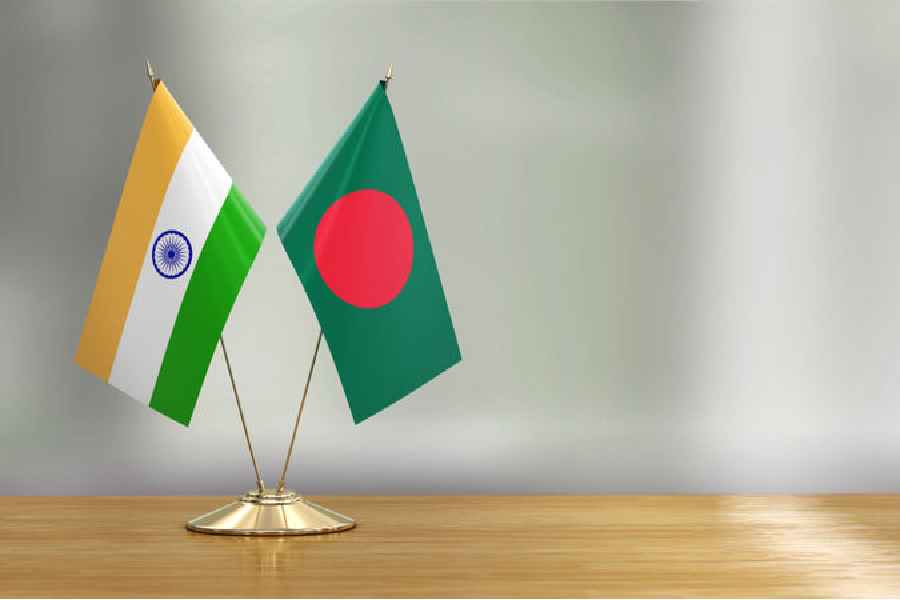
Extradition of Sheikh Hasina Feasible, Says Indian High Commissioner

Punjabi Makeup Artist Mad Sandhu Shot Dead in Amritsar
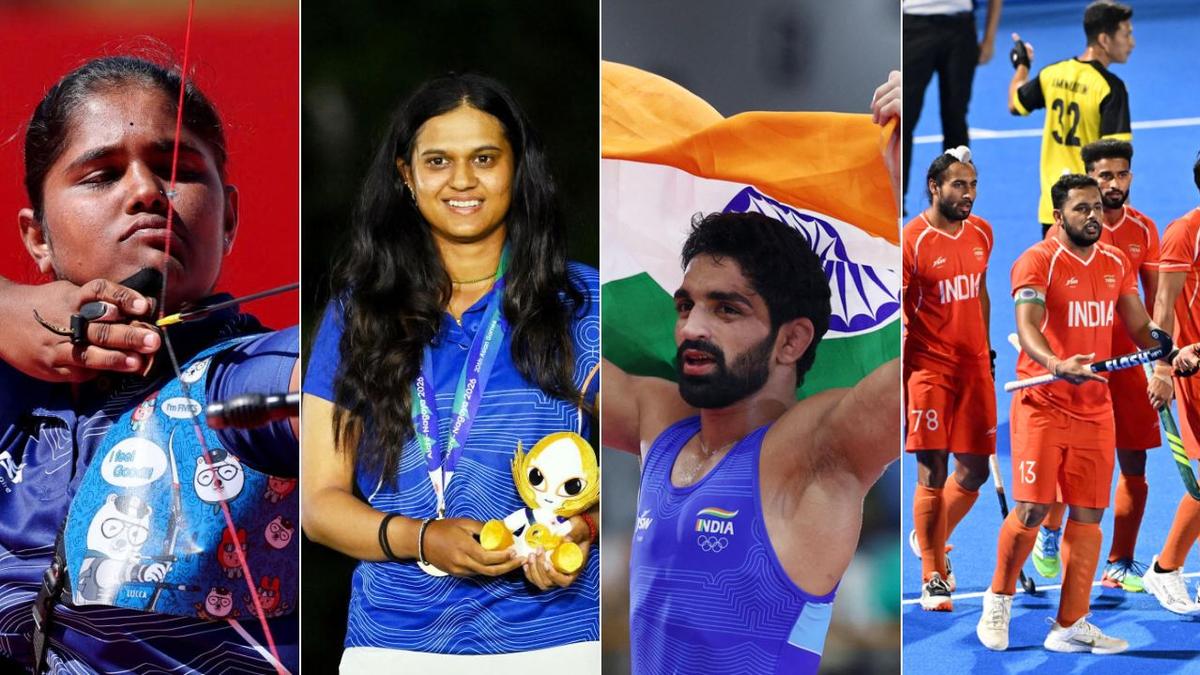
India Achieves Fourth Place at Asian Games 2026 Through Late Success