Delhi Court Orders Probe into Sonia Gandhi's Electoral Roll Case


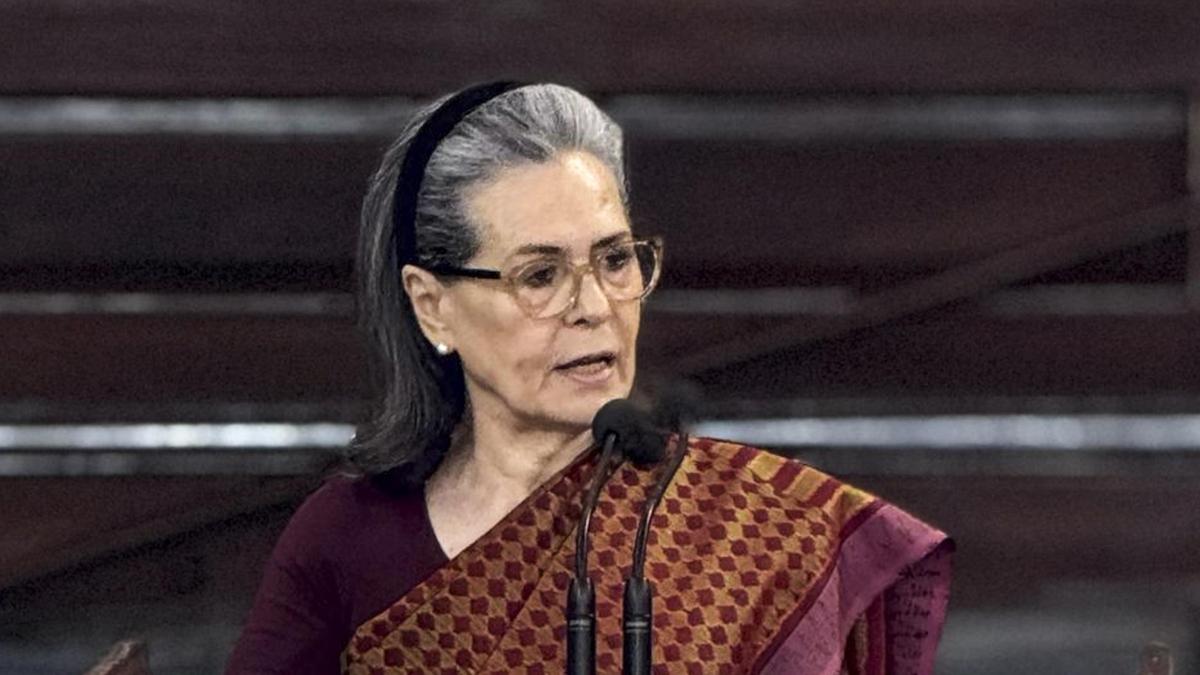
A Delhi court has directed an inquiry into the allegations concerning Congress leader Sonia Gandhi's inclusion in the electoral rolls before she became an Indian citizen. The ruling overturns a prior order from a magistrate’s court, which had dismissed requests for a First Information Report (FIR) against Gandhi. Special Judge Vishal Gogne identified significant flaws in the previous ruling, labelling it a 'non-speaking order' that failed to provide proper reasoning or consideration of the facts.
The case centres on claims that Gandhi’s name was added to the electoral rolls in 1980, three years prior to her obtaining Indian citizenship in 1983. According to the petitioner's counsel, Vikas Tripathi, there are allegations that she used fraudulent documents to facilitate this inclusion. The recent court decision highlights the importance of proper judicial process, indicating that any misconduct regarding voter registration necessitates an extensive inquiry.
The judgment noted that the initial dismissal lacked a discussion on the specific allegations of forgery or fraud, failures which the court found to represent a clear lack of thorough consideration by the previous magistrate. Judge Gogne stated that legal principles require a detailed, reasoned examination to ascertain whether the allegations are substantiated.
As a result, the case has been remanded back to the Additional Chief Judicial Magistrate (ACJM) for a proper hearing. The court emphasised that any deficiencies in judicial protocols should be addressed adequately, as they Fatally undermine the integrity of the legal process.
The matter is set to be reviewed in court again on September 29, allowing for a more comprehensive examination of the allegations made against Gandhi. The ruling also indicates that the ACJM must ensure that the appropriate inquiries are conducted and that all parties are sufficiently heard before reaching a decision.
In her defence, Gandhi has previously denied any wrongdoing regarding her electoral registration. The court’s latest ruling marks a pivotal moment in an ongoing legal debate about electoral integrity and citizenship laws in India.
This case has attracted significant media attention, reflecting broader concerns in India regarding election procedures and transparency. The implications of this ruling may resonate throughout Indian politics, particularly as the country approaches upcoming electoral events. By setting aside the previous order, the court has reinforced the necessity of substantive judicial dialogue in resolving such matters, ensuring that the rule of law is upheld in electoral affairs.
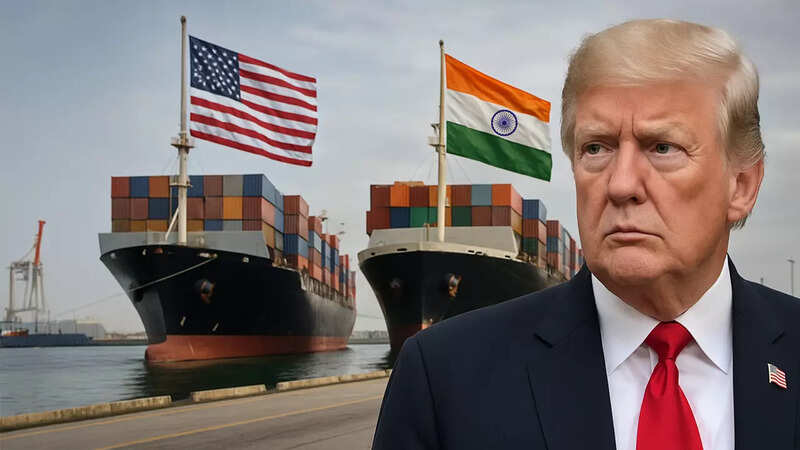
Impact of Trump's Tariff Law on India's Oil Imports and Trade
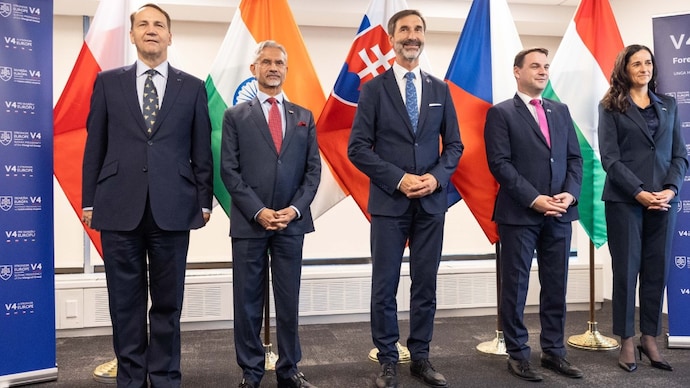
Visegrad Group Supports India's Bid for UN Security Council Seat

Google to Report Child Abuse Material Directly to India

Bihar Minister's Remarks on Jamui Harassment Case Stir Controversy