Debate Over Potential Military Action by Israel's Caretaker Government


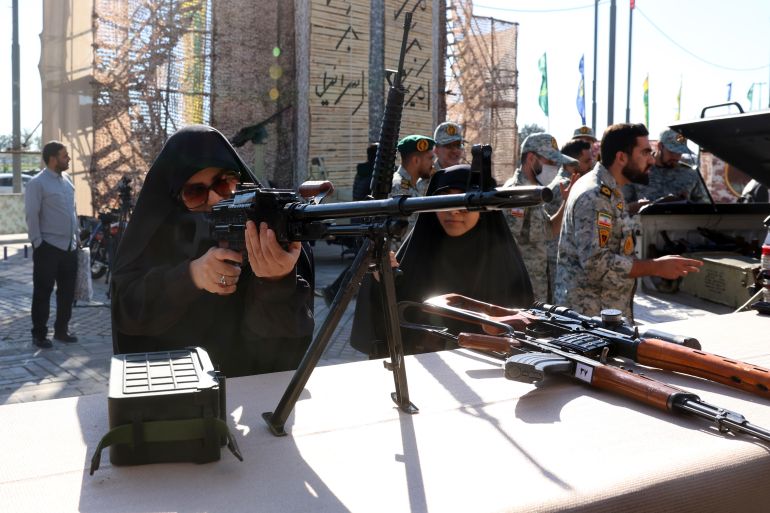
Israeli Prime Minister Benjamin Netanyahu is at the centre of discussions regarding potential military action against Iran while serving in a caretaker role. Reports indicate that Israel's security cabinet has ordered the military to increase preparations for possible strikes, heightening tensions in an already volatile region. This directive prompts crucial questions about the decision-making power of a caretaker government amid significant geopolitical risks.
As per reports from Israeli media, Netanyahu's cabinet directed the military to be on heightened alert for an operation targeting Iran. This move comes shortly after the leader of the Israeli opposition, Gadi Eisenkot, urged Netanyahu to avoid deploying military forces unless directly threatened. Such advice reflects a growing concern regarding the legal and ethical implications of military action by a caretaker administration.
Netanyahu's coalition recently lost its parliamentary majority, placing his future in power in doubt and opening the door for potential government formation by the opposition. Observers speculate that Netanyahu’s aggressive stance towards Iran could be influenced by the pressure to demonstrate strength as his political survival hangs in the balance. While Netanyahu insists that efforts against Iran will persist, critics warn that acting without parliamentary support could have dire consequences.
This situation unfolds against the backdrop of intensive diplomatic efforts aimed at reducing conflict and establishing a diplomatic framework with Iran. U.S. President Donald Trump has indicated a readiness to resume military action if necessary negotiations fail, complicating the situation for all parties involved.
Iran continues to react strongly to these developments. Iranian security chief Mohsen Rezaei warned that should the United States engage in another conflict, all American military bases involved would be considered legitimate targets for Iranian retaliation. His assertion highlights the precarious balance of power in the Middle East and the consequences of any military escalation.
In the face of these risks, Iran’s leadership is reportedly debating its negotiation strategies. Currently, Iranian Parliament Speaker Mohammad Bagher Ghalibaf has expressed a commitment to moving beyond an impasse characterised by ‘no war, no peace’ towards a position of ‘sustainable deterrence’. Ghalibaf conveyed a lack of trust in the United States as a barrier to successful negotiations.
Despite ongoing discussions of increased military readiness, U.S. officials indicate a preference for restraint, suggesting that large-scale military engagements may not be necessary unless Iran crosses specific thresholds. Nonetheless, U.S. forces remain on high alert to ensure the stability of crucial shipping lanes in the region, particularly the Strait of Hormuz.
As events continue to unfold, analysts are watching closely to see if Netanyahu's government will proceed with military action and how Iran plans to respond. Each decision carries significant implications not only for Israeli-Iranian relations but for broader regional security and stability as well.
Addressing Stubble Burning in India: Seeking Sustainable Solutions
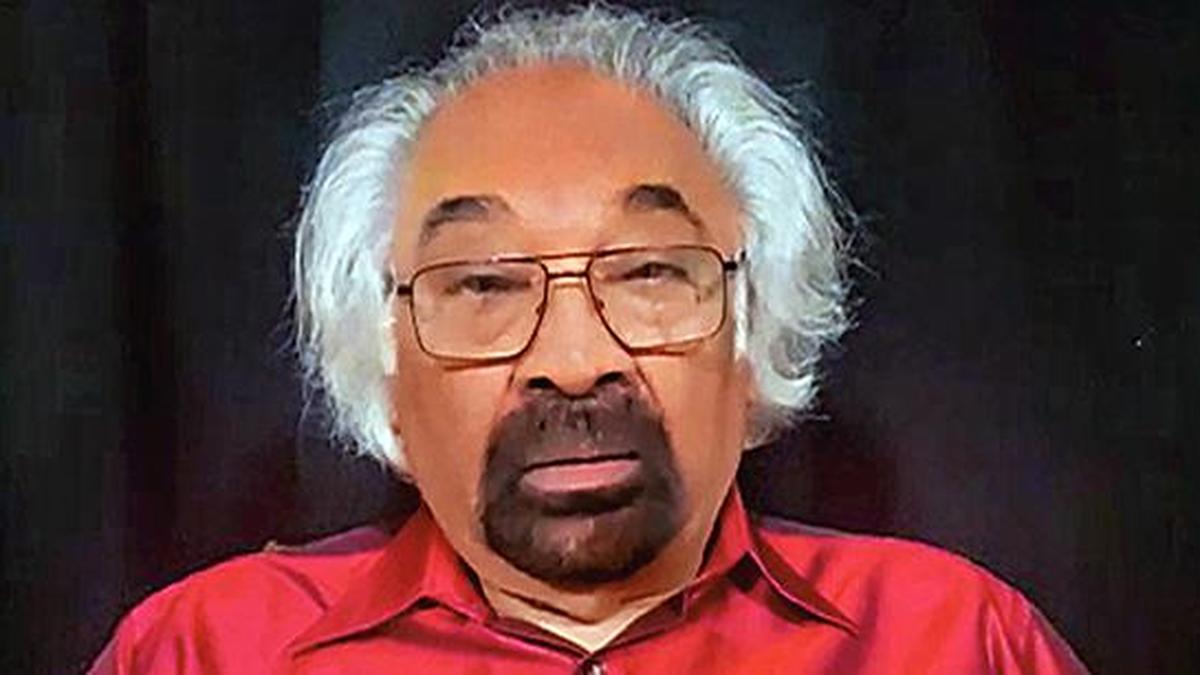
Sam Pitroda Praises Narendra Modi Amid Political Tensions

Pimpri Chinchwad Declared Cleanest City in Maharashtra: Activists React
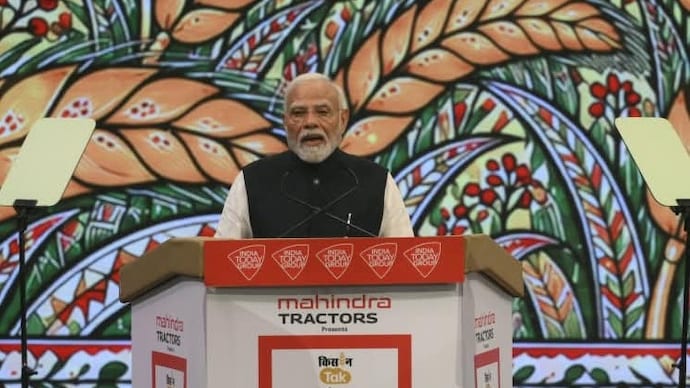
India's Agriculture Sector Grows Over 4% Annually for First Time
