Addressing Stubble Burning in India: Seeking Sustainable Solutions


Stubble burning, a practice prevalent in India, particularly in agricultural states, is drawing increasing scrutiny as both an environmental concern and a public health issue. With air quality worsening due to this practice, experts argue that reliance on improved satellite technology alone will not suffice in resolving the problem.
The agricultural practice involves the burning of leftover crop residue—commonly from rice and wheat harvesting—as a quick way to clear fields for the next planting cycle. While it offers immediate benefits to farmers, who often face time constraints, the resultant smoke is a significant contributor to air pollution. The toxic emissions from stubble burning include fine particulate matter known as PM2.5, which poses serious health risks.
Concerns regarding stubble burning are particularly heightened in the winters. The practice aggravates air quality in already polluted regions such as Delhi, where residents frequently face severe health risks due to the combination of urban pollution and agricultural burning. Experts advocate for comprehensive strategies rather than a singular focus on technological monitoring.
A sustainable fix for stubble burning might involve a multifaceted approach, incorporating better agricultural practices, financial incentives, and public education campaigns. Some suggest alternatives to burning, such as using mechanised equipment for managing crop residue. These methods allow farmers to clear fields without putting the environment at risk.
Furthermore, policies that promote waste-to-energy solutions, through which crop residues can be converted into biofuel or biogas, could help mitigate the problem. In doing so, farmers could benefit economically while also contributing to environmental preservation. Experts, however, stress that such initiatives will require significant investment and government support to take root.
The conversation around stubble burning and pollution is becoming increasingly urgent. As environmental conditions continue to deteriorate, urban areas, especially those already suffering from high pollution levels, are likely to face harsher consequences. Stakeholders across the agricultural and environmental sectors must collaborate to create a lasting solution that addresses both farmer needs and public health concerns.
In summary, while satellite technology can provide valuable data on air quality and pollution levels, it cannot replace the need for actionable, sustainable practices to effectively combat stubble burning. The focus, therefore, must shift towards comprehensive solutions that ensure both environmental health and agricultural viability.

Sam Pitroda Praises Narendra Modi Amid Political Tensions

Pimpri Chinchwad Declared Cleanest City in Maharashtra: Activists React
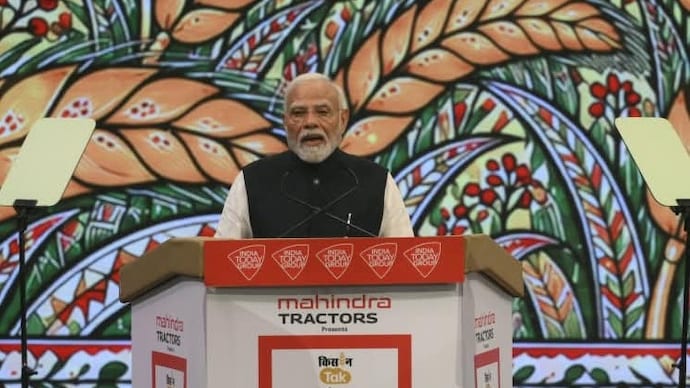
India's Agriculture Sector Grows Over 4% Annually for First Time

Priyanka Gandhi Challenges BJP Over Sonia Gandhi's Memoir Claims