Debate Intensifies in Parliament Over Anti-Paper Leak and Vande Mataram Bills


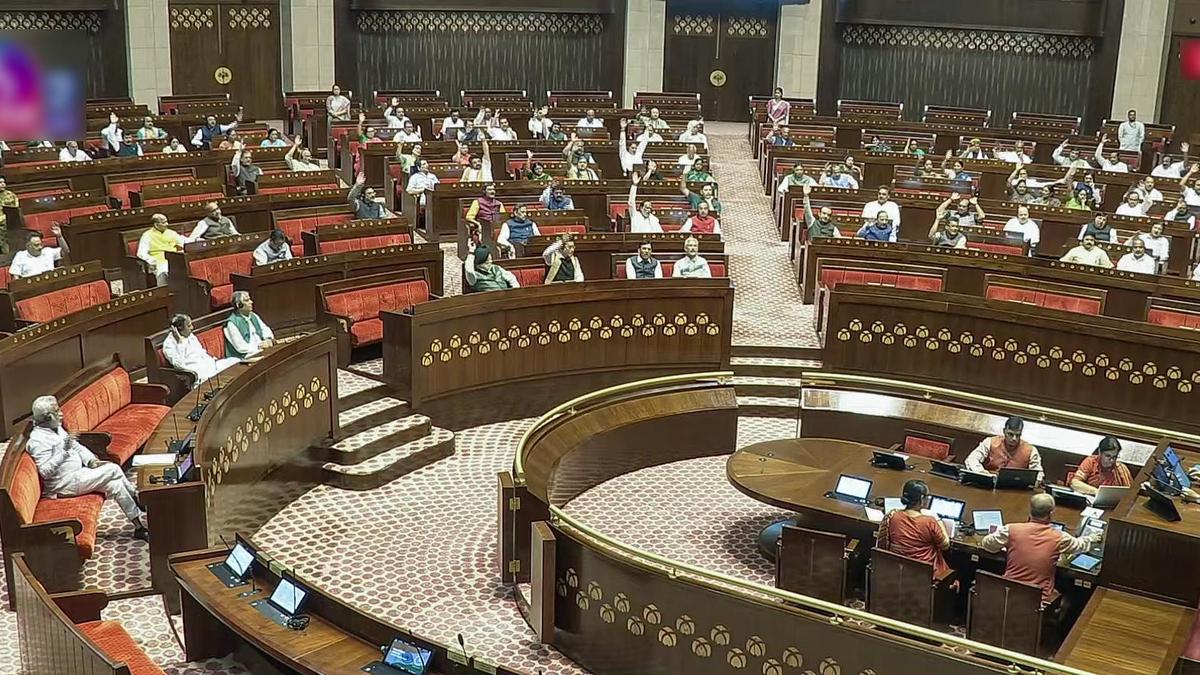
In a heated session of the Indian Parliament, lawmakers engaged in intense discussions regarding the Anti-Paper Leak Bill and the Vande Mataram Bill. The Anti-Paper Leak Bill, proposed by the ruling Bharatiya Janata Party (BJP), aims to protect the integrity of examinations, amidst ongoing concerns regarding examination paper leaks across the country.
During debates, BJP Member of Parliament (MP) Raghav Chadha noted that a committee, including prominent figures like Nandan Nilekani, had been established to recommend reforms in the examination process. Another BJP MP, Sudhanshu Trivedi, argued that the Central Government is attuned to students' needs, mentioning prior consultations held by Union ministers J P Nadda and Jitendra Singh. Trivedi further accused the past Union Education Minister, Kapil Sibal, of having presided over multiple paper leaks during his tenure.
Contesting the proposed measures, leaders from opposition parties expressed their dissent. Rashtriya Janata Dal (RJD) MP Manoj Jha suggested that superficial reforms were inadequate and called for dismantling the National Testing Agency (NTA). Similarly, Gopal Yadav from the Samajwadi Party advocated that merely imposing harsher penalties would not address the problem of paper leaks effectively.
In parallel, debates surrounding the Vande Mataram Bill, which was recently passed in the Lok Sabha, have drawn significant scrutiny from various political figures. AIMIM MP Asaduddin Owaisi raised concerns that making Vande Mataram mandatory could infringe upon constitutional rights, citing potential violations of Articles 25, 26, and 29. Owaisi also questioned the bill’s classification as a national song.
Union Minister Giriraj Singh responded to the opposition’s claims, asserting that opposing Vande Mataram is unacceptable and highlighting its historical significance in India's independence movement. On the other hand, Congress MP Manickam Tagore accused the bill's proponents of attempting to further divide society, while DMK MP Kanimozhi labelled it an affront to India's secular values.
Tensions escalated within the Rajya Sabha as several MPs expressed concerns about the implications of these legislative changes on the country’s social fabric. The Leader of the Opposition in the Rajya Sabha, Mallikarjun Kharge, demanded accountability from the Union Home Minister regarding police actions during student protests.
As discussions continue, the government is grappling with criticisms concerning its approach to educational reforms and the protection of cultural emblematic expressions within the national identity. A Union Cabinet meeting is scheduled to take place on July 31, where further deliberations on these critical issues are expected.
While the government remains firm in its commitment to reform educational integrity, the opposition is likely to intensify its scrutiny, with questions about the broader impact of such legislation on national unity and educational standards taking centre stage.

Death Toll Reaches 34 Amid Rescue Efforts Following Earthquake in Japan

Kirti Kulhari Victim of Credit Card Fraud, Loses Rs 2.44 Lakh

Apple iPhone 18 Pro Launch Schedule and Pricing Insights
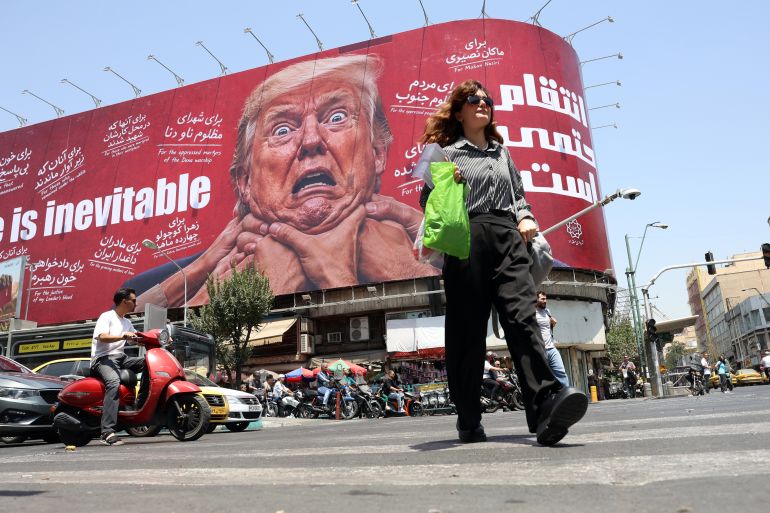
Iran and Oman Propose New Management for Strait of Hormuz