Daily Sugary Drink Consumption Doubles Risk of Gastric Cancer


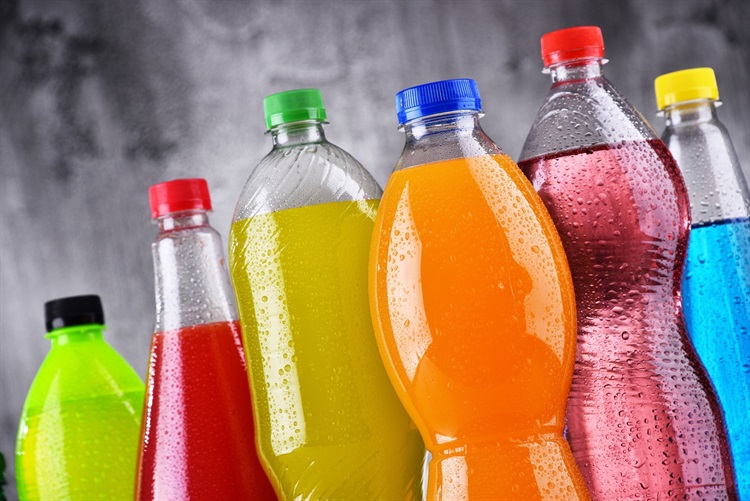
According to a recent study conducted by the Mass General Brigham Cancer Institute, consuming at least one sugar-sweetened beverage (SSB) daily is associated with more than double the risk of developing gastric cancer. This findings highlights a common dietary habit among many adults in the United States.
Approximately 65% of American adults report daily intake of SSBs, which include sodas, fruit punch, and sweetened sports drinks. The research, published in the journal Gastro Hep Advances, analysed two significant data sources: the Nurses’ Health Study and the Health Professionals Follow-Up Study, involving 112,284 participants.
During a follow-up period spanning decades, 278 participants were diagnosed with gastric cancer. Senior author Andrew T. Chan, MD, MPH, who is a gastroenterologist and epidemiologist at the institution, stated, "This is the first study to demonstrate an association between sugar-sweetened beverage intake and gastric cancer in a U.S. population."
Gastric cancer ranks as the fifth leading cause of cancer death globally, yet the relationship between diet and its risk factors has been relatively unexplored. This new investigation sheds light on potential dietary triggers, particularly the frequent consumption of sugary drinks.
The findings reveal a concerning correlation. Individuals who consumed at least one serving of SSB per day had a 2.45 times higher risk of developing gastric cancer compared to those who consumed fewer than one serving per month. This increased risk was consistent across both genders, with women in particular showing a 3.04-fold higher risk with heavy SSB intake.
Notably, artificially sweetened beverages (ASBs) did not display any significant association with gastric cancer, suggesting that the sugars in SSBs are pivotal in increasing risk. Higher fructose consumption, the primary sweetener in many sugary drinks, was also linked to an increased incidence of gastric cancer.
The study also explored potential associations with Helicobacter pylori (H. pylori) infection—a known risk factor for gastric cancer. While a portion of the study's participants had evidence of H. pylori infection, no link was found between SSB consumption and H. pylori status.
The researchers emphasised that the study's observational nature means it can identify associations but does not prove direct causation. Furthermore, they noted additional factors, such as limited information regarding participants' H. pylori status and family histories of gastric cancer, as potential limitations. The sample was predominantly white, limiting the ability to assess differences across various racial and ethnic groups.
This research poses significant implications for public health, calling for further investigations to validate the results and better understand the mechanisms by which sugar-sweetened beverages may contribute to gastric cancer risk. There is an urgent need for more comprehensive studies that account for dietary patterns, lifestyle factors, and the influence of genetics in different populations.

Impact of Trump's Tariff Law on India's Oil Imports and Trade

Visegrad Group Supports India's Bid for UN Security Council Seat

Google to Report Child Abuse Material Directly to India

Bihar Minister's Remarks on Jamui Harassment Case Stir Controversy