Crisil Upgrades India's GDP Growth Forecast to 7% for FY2025-26


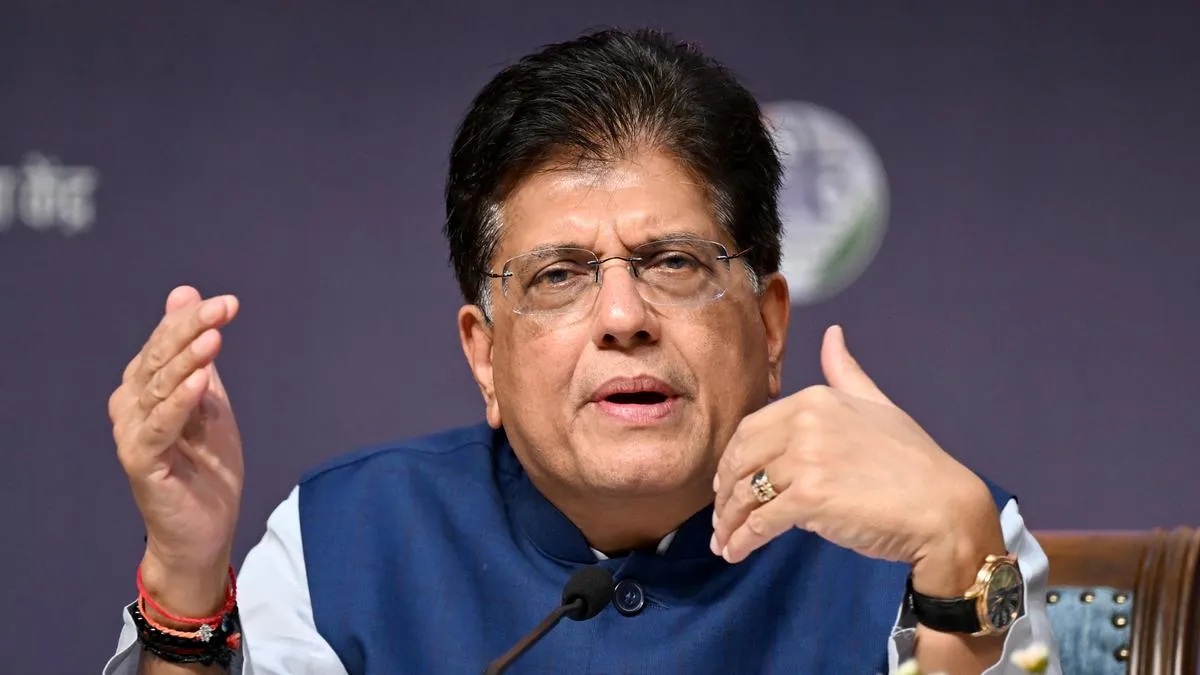
Crisil, a leading global analytics company, has revised its forecast for India's gross domestic product (GDP) growth to 7 per cent for the current financial year, an increase from its previous estimate of 6.5 per cent. This adjustment comes in light of robust economic performance in the first half of the fiscal year, where the economy recorded a real GDP growth rate of 8 per cent, surpassing expectations.
Chief Economist Dharmakriti Joshi stated that the second quarter of the financial year saw an impressive growth of 8.2 per cent in real GDP. However, nominal GDP growth was recorded at a more modest 8.7 per cent due to easing inflation rates. Joshi noted that while the economy is expected to experience a slowdown in the second half, with growth projected at 6.1 per cent, the overall outlook remains positive.
Private consumption has emerged as a significant driver of the higher real GDP growth, according to Crisil's analysis. Both manufacturing and service sectors have shown substantial improvement, contributing to the overall economic expansion. Joshi highlighted that reduced food inflation has encouraged discretionary spending among consumers.
The third quarter is anticipated to benefit from these positive trends, with expectations of a stabilisation in government investment. Additionally, there may be a delayed increase in private investments, which are gaining momentum due to reforms in the Goods and Services Tax (GST) and cuts in income tax and interest rates, following actions taken by the Reserve Bank of India's Monetary Policy Committee.
In related news, India's Chief Economic Adviser, V Anantha Nageswaran, has also projected that the economy could exceed the $4 trillion mark by the financial year 2025-26. Nageswaran noted that the growth forecast of 7 per cent or higher reflects a strong performance across various sectors, including agriculture, manufacturing, and services. He emphasised that the first half of the financial year has seen robust growth, with the National Statistics Office confirming a real GDP growth rate of 8 per cent.
"We can state comfortably that the full year growth will be either 7 per cent or to the north of that, rather than to the south of that," Nageswaran remarked, highlighting the resilience of the economy amid global uncertainties.
The Chief Economic Adviser attributed the optimistic outlook to several factors, including healthy agricultural harvests, strong demand in both rural and urban areas, and low inflation rates. Tax cuts have also played a crucial role in enhancing household disposable incomes, which is expected to strengthen short-term consumption.
Nageswaran pointed out that indicators such as the generation of e-way bills, growth in energy consumption, and increasing freight movement suggest a solid start to the third quarter of the current fiscal year. Additionally, he noted that rural consumption has been bolstered by favourable agricultural conditions, leading to significant sales in the agricultural machinery sector.
In October 2025, tractor sales reached their highest monthly level in over a decade, driven by positive monsoon conditions, enhanced rural sentiment, and festive demand. Retail sales of two and three-wheeled vehicles also experienced remarkable growth during the same period.
As the economy continues to show signs of resilience, Nageswaran expressed confidence that stable inflation and ongoing public capital expenditure will enable India to navigate potential risks effectively. He also mentioned that recent labour reforms are expected to contribute to a more adaptable workforce and resilient industries moving forward.
Kerala Initiates Probe into 2006 Suicide Case Involving CEC

Extradition of Sheikh Hasina Feasible, Says Indian High Commissioner

Punjabi Makeup Artist Mad Sandhu Shot Dead in Amritsar
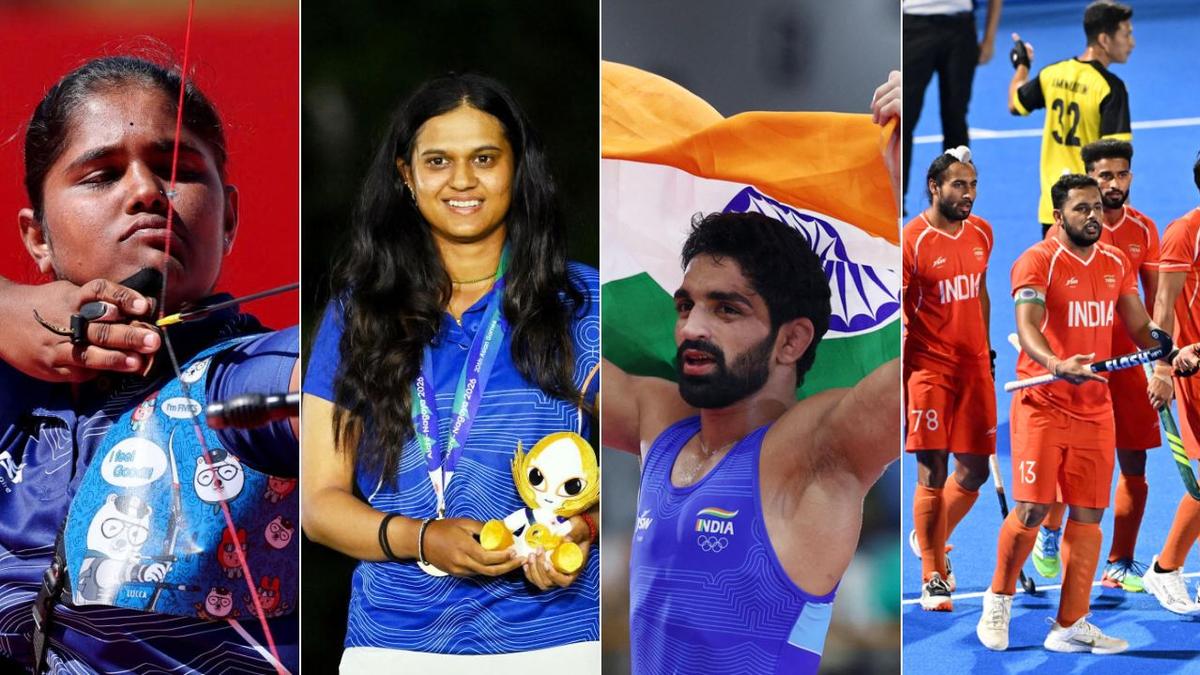
India Achieves Fourth Place at Asian Games 2026 Through Late Success