Court Ruling on H-1B Visa Fee Draws Reactions from Indian Students


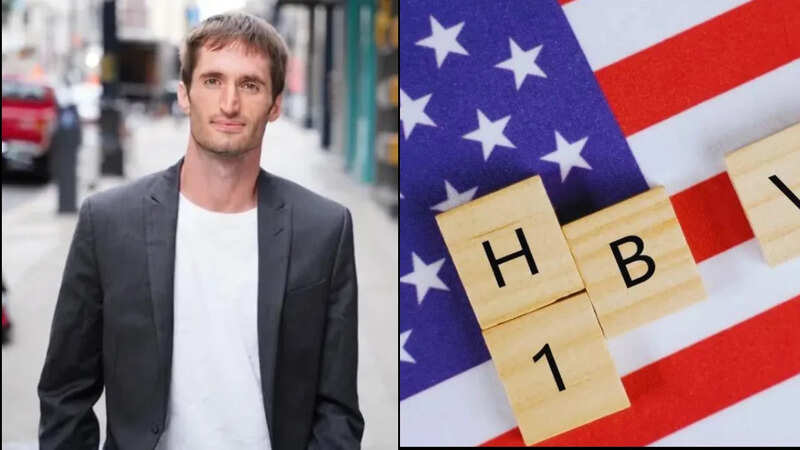
Recent developments regarding the H-1B visa have stirred significant conversations among Indian students aspiring to work in the United States, particularly in the technology sector. A federal court in Massachusetts ruled against the $100,000 fee that had been introduced for H-1B visa applications under the Trump administration. This ruling has raised questions about the future of employment-based immigration and the implications for international students.
Impact of the Court Ruling
The recent court decision has been received positively by various advocacy groups within the Indian community in the US. Many argued that the striking down of the fee was a step towards restoring equilibrium within the employment-based immigration system. Khanderao Kand, Chief of Policy and Strategy at the Foundation for India and Indian Diaspora Studies, emphasised the ruling's significance, stating it would enhance the country's competitive edge in innovation and entrepreneurship.
He remarked, "Access to highly skilled global talent remains essential for the continued growth of the US's technology, healthcare, and advanced manufacturing sectors." This highlights the ongoing need for skilled professionals, particularly in fields experiencing rapid technological advancement.
Concerns Remain
Despite the positive reaction, some voices within the community expressed caution. Sanjeev Joshipura, Executive Director of Indiaspora, noted that while the ruling provided immediate relief, procedural hurdles might still be introduced by the current administration. He pointed out, "If the executive branch wishes to impose impediments on H-1B visa holders... they might still be able to do so through procedural means that do not run afoul of U.S. law."
The Previous Fee's Introduction
The $100,000 fee was introduced in September 2020 and was designed to apply to new H-1B visa applications. Critics argued that this significant financial burden would disproportionately impact smaller companies and new startups, potentially stifling innovation and job creation in vital sectors.
Looking Forward
As discussions around the ruling continue, it has become increasingly clear that the landscape for H-1B visas and employment-based immigration is still in flux. Stakeholders are advocating for a balanced, merit-based immigration framework that benefits both U.S. businesses and the broader economy. With the courts reaffirming that significant policy alterations must have a statutory foundation, the ruling may pave the way for a more predictable immigration framework in the future.
The road ahead remains uncertain for many Indian students who are keen to contribute to the U.S. workforce. Their pursuit of careers in data engineering and other tech fields hinges on upcoming developments in immigration policy. The recent court ruling may offer a glimmer of hope, but the discussions surrounding immigrant visa regulations are far from over.
Kerala Initiates Probe into 2006 Suicide Case Involving CEC

Extradition of Sheikh Hasina Feasible, Says Indian High Commissioner

Punjabi Makeup Artist Mad Sandhu Shot Dead in Amritsar

India Achieves Fourth Place at Asian Games 2026 Through Late Success