Countries Boost Local Investment Against Tuberculosis Amid Challenges


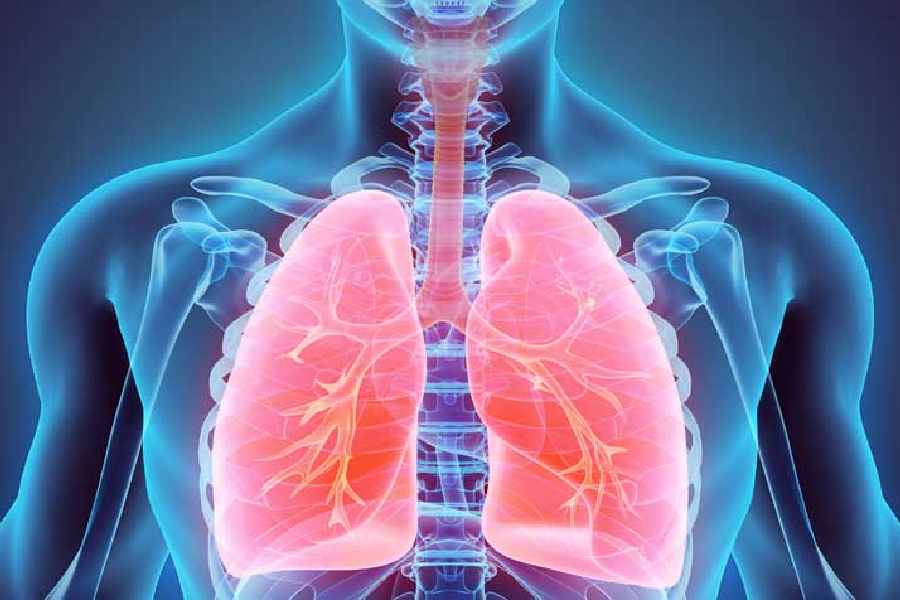
Global efforts to combat tuberculosis (TB) continue to show progress, according to the World Health Organization (WHO) Global Tuberculosis Report 2026 released recently. Notably, domestic funding for TB increased by 14% to reach US$ 5.6 billion between 2024 and 2025. This increase partially offsets a corresponding decline in international financing, highlighting the crucial role of local investment in sustaining TB services and protecting health gains in a time of financial constraints.
In 2025, approximately 10.6 million individuals developed TB, while 1.1 million succumbed to the disease. Although the mortality rate has decreased by 35% since 2015, and treatments have saved an estimated 86 million lives since 2000, the world missed an important milestone of the WHO’s End TB Strategy, reaching it five years later than anticipated.
Dr Tedros Adhanom Ghebreyesus, Director-General of WHO, commented on the situation, stating, "The continued decline in TB cases and deaths is very encouraging, especially given the challenges many countries have faced from funding cuts... However, over one million people still die each year from a disease that is preventable and treatable." He urged nations and partners to enhance access to TB services and protect essential funding while accelerating the development of new solutions.
The burden of TB remains disproportionately high in 30 countries, which collectively account for 88% of the 2025 global incidence. Progress has varied across regions. The WHO European Region saw a 42% decline in TB incidence between 2015 and 2025, contrasted with a mere 6.6% decrease in the Eastern Mediterranean, and a rise in the Americas, where TB incidence surged 13% above 2015 figures for the fifth consecutive year.
These regional disparities reflect differences in TB risk factors, healthcare system strength, availability of services, and investment levels. Major gaps persist in timely diagnosis and treatment. Among the 10.6 million estimated new cases in 2025, only 8.4 million were officially diagnosed, leaving around 2.2 million either undetected or unreported. Just 59% of newly diagnosed patients received a rapid diagnostic test recommended by WHO—well below the target of 100% by 2027.
Drug-resistant TB continues to complicate the health landscape, with around 370,000 cases of rifampicin-resistant TB in 2025, but only 42% of affected individuals receiving necessary treatment. Although treatment uptake of the six-month regimen increased from 18% in 2024 to 42% in 2025, the push for robust funding for TB research remains critical. In 2023, research funding was reported at US$ 1.2 billion, which is less than a quarter of the required US$ 5 billion annually by 2027.
WHO is urging governments and global partners to strengthen political commitment, ensure sustainable TB funding, and expedite investment in new tools for prevention, diagnosis, and treatment. A robust acceleration is essential to realign global efforts towards eradicating the TB epidemic.
As part of a broader public health initiative, WHO advocates for science and health as a foundation for progress and well-being worldwide. The 'Together for Health' theme for World Health Day 2026 advocates for prioritising science in health policy and planning.
Public health institutions, including the WHO, remain dedicated to improving health access and outcomes for all global populations, striving to transform the state of public health today and into the future.
Addressing Stubble Burning in India: Seeking Sustainable Solutions

Sam Pitroda Praises Narendra Modi Amid Political Tensions

Pimpri Chinchwad Declared Cleanest City in Maharashtra: Activists React
India's Agriculture Sector Grows Over 4% Annually for First Time
