Concerns Raised Over HIV Data as India Observes World AIDS Day


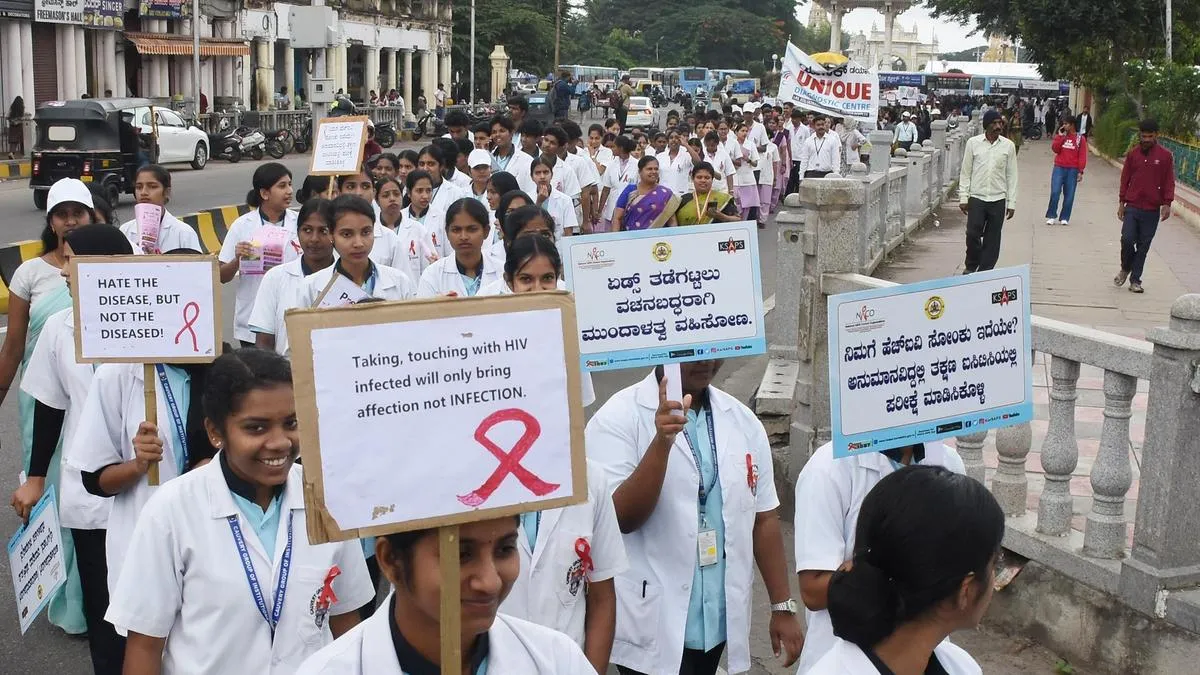
BENGALURU: On the occasion of World AIDS Day, medical professionals in Bengaluru have voiced concerns regarding the reported decrease in HIV cases in India, suggesting that the figures may not fully represent the situation. National statistics indicate a decline in new infections, attributed to increased testing and early diagnosis. However, experts warn that certain high-risk populations are still inadequately represented in these statistics.
Dr Subramaniam Swaminathan, director of infectious diseases at Gleneagles Hospitals in Bengaluru, stated, "Every year, awareness campaigns help individuals understand HIV, its modes of transmission, and the necessary precautions to take." He acknowledged that while urban populations are becoming more knowledgeable about prevention methods, there are significant gaps in rural areas. Accidental exposures, such as needle-sharing or unprotected sexual encounters, continue to occur, and timely interventions through post-exposure prophylaxis (PEP) have successfully prevented infections in many cases.
He further noted, "Many patients seek help only after the infection has advanced significantly. To effectively control transmission within these groups, we need to establish safe, confidential, and non-discriminatory environments." Dr Swaminathan also highlighted the limited access to preventive medicines like pre-exposure prophylaxis (PrEP) in India.
Dr Mahesh Kumar JM from KIMS Hospitals remarked, "Needle sharing remains a pressing issue. Many young individuals experimenting with injectable drugs are often unaware of how rapidly HIV and hepatitis can spread." Dr Aishwarya R, a consultant in infectious diseases at Aster RV Hospital, observed a shift in the clinical presentation of HIV. "In the past, patients typically arrived with opportunistic infections like disseminated tuberculosis. Today, we are increasingly diagnosing HIV-associated cancers, particularly diffuse large B-cell lymphoma, while cases in children and the elderly have decreased."
Dr Mahesh Kumar noted a nearly 50% reduction in new HIV infections over the past two years, attributing this success to early diagnosis and treatment, which enhances patients' quality of life. "A single daily pill simplifies adherence for patients," he explained.
Medical professionals emphasised the importance of family involvement and community support in combating the stigma associated with HIV. Government initiatives, particularly those led by the National AIDS Control Organisation, have contributed to improved access to testing and treatment services.
Overall, while the reduction in reported HIV cases is encouraging, experts caution against complacency and stress the need for continued efforts to reach high-risk groups, especially in less urbanised areas.
Kerala Initiates Probe into 2006 Suicide Case Involving CEC

Extradition of Sheikh Hasina Feasible, Says Indian High Commissioner

Punjabi Makeup Artist Mad Sandhu Shot Dead in Amritsar

India Achieves Fourth Place at Asian Games 2026 Through Late Success