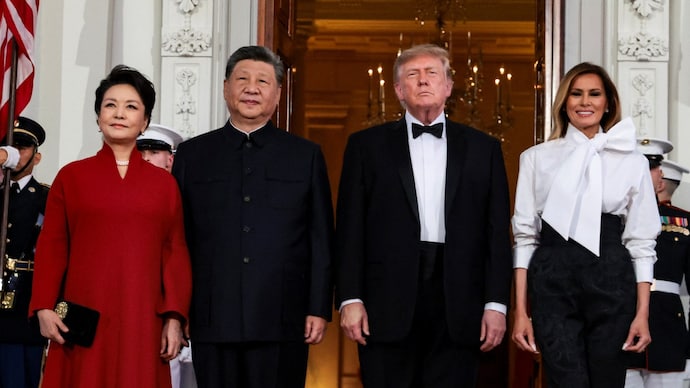
China and Pakistan Discuss US-Iran Conflict Prior to Trump Visit


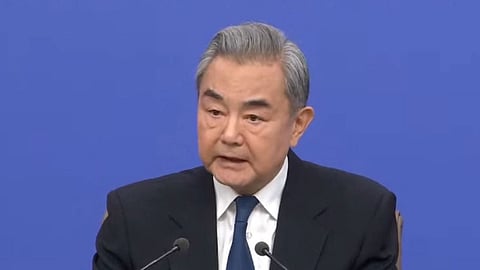
Pakistan’s Foreign Minister Ishaq Dar held a conversation with his Chinese counterpart, Wang Yi, where they examined regional developments, particularly focusing on the ongoing United States-Iran conflict. This telephonic dialogue took place shortly before US President Donald Trump is scheduled to meet Chinese leader Xi Jinping in Beijing later this week. The Pakistani Foreign Ministry disclosed that efforts are being made to mediate peace between Iran and the US amidst heightened international tensions.
The situation in the Strait of Hormuz, a critical shipping route for global energy supplies, remains tense as Iran has maintained a significant presence in the region since the conflict escalated in February. The US has implemented measures aimed at countering Iranian actions, last month imposing a counter-blockade on Iranian ports. As the discussions continue to unfold, the global economic implications of the conflict are becoming increasingly concerning.
During the conversation, Wang Yi expressed China's support for Pakistan's diplomatic role in mediating between Iran and the US. The two Ministers reiterated the need for a sustainable ceasefire and safe navigation through the Strait of Hormuz. "Foreign Minister Wang Yi reiterated appreciation and support for Pakistan’s constructive mediation role," stated the Pakistani Foreign Ministry.
Pakistan’s diplomatic activities have intensified, having previously hosted direct talks between US and Iranian officials in April, marking the first engagements since 2015. The war initially started with strikes from the US and Israel against Iran, and despite an established ceasefire in April, tensions remain high as both parties threaten to resume hostilities.
The US and Iran have yet to make substantial concessions, with neither side seeming willing to escalate to full-scale conflict. In a recent communication, Iran’s chief negotiator insisted that the US must accept Tehran's peace proposal or risk eventual failure in negotiations. Meanwhile, US President Trump has dismissed the Iranian response as unsatisfactory and warned that the current truce is precarious.
The ongoing situation serves as a reminder of the complexity of international diplomacy and the critical role that intermediaries like Pakistan are playing in attempts to restore stability in a volatile region.
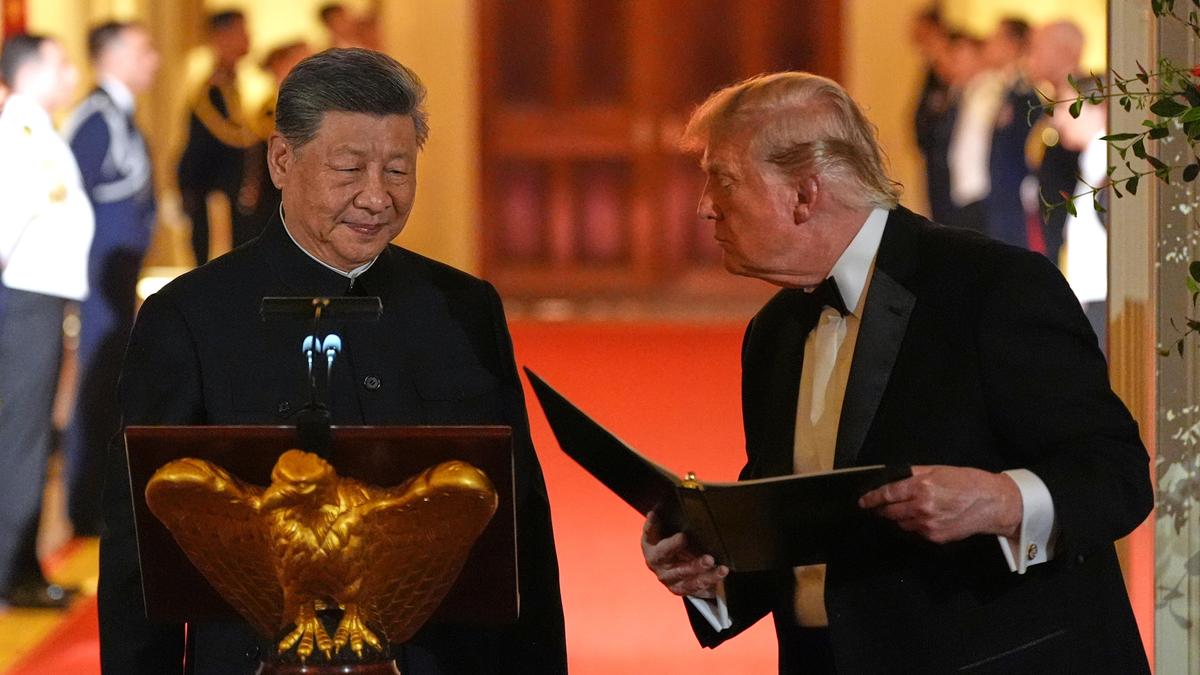
Trump and Xi Discuss Trade, AI, and Taiwan Amid Diplomatic Tensions
Xi Jinping Seeks Greater Concessions from Trump Amid Trade Talks
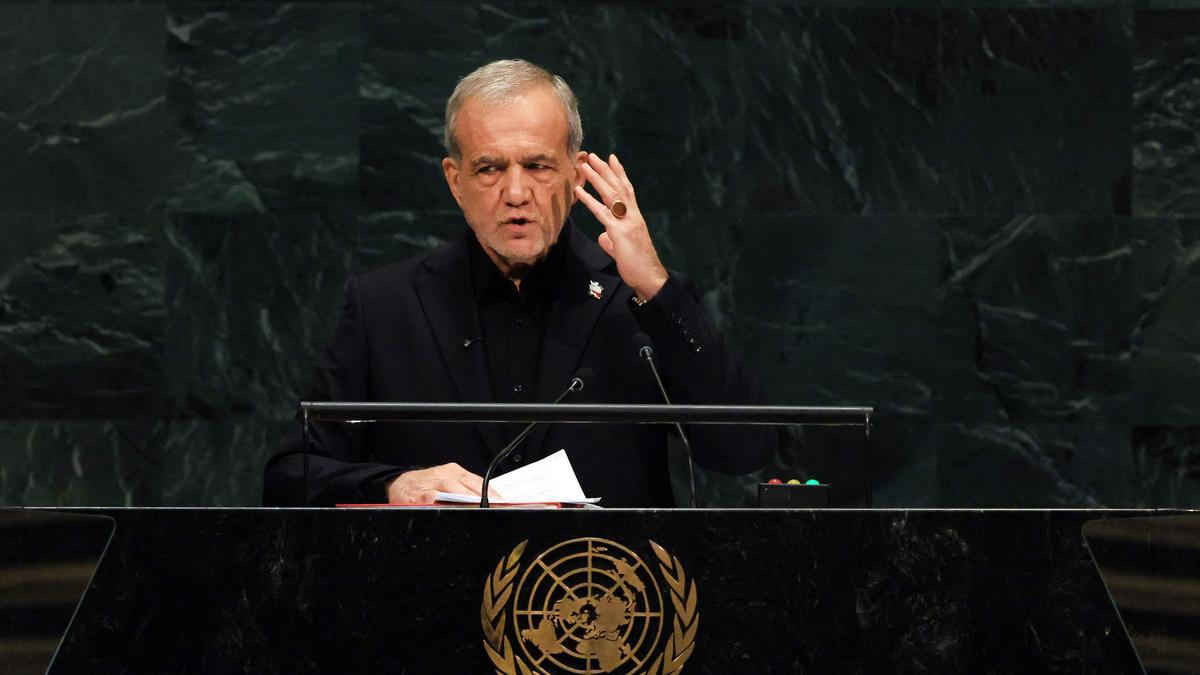
Iran's President Addresses Ongoing Conflict and External Threats
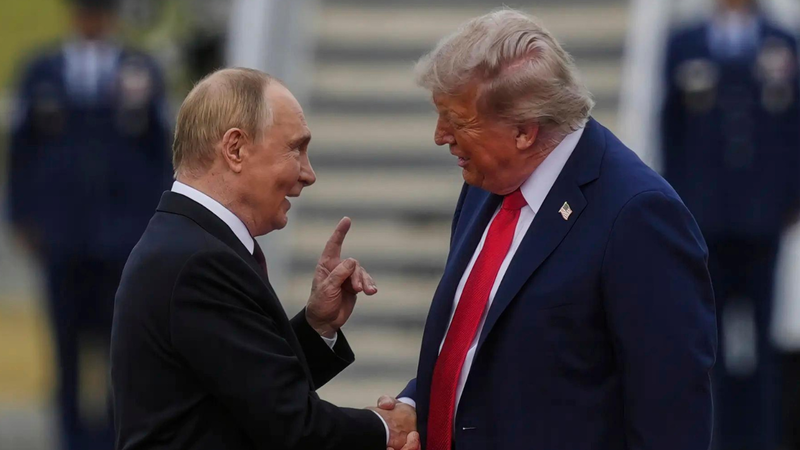
United States Invites Vladimir Putin to Miami G20 Summit