China Enacts Stricter Regulations on Outbound Tech Investments


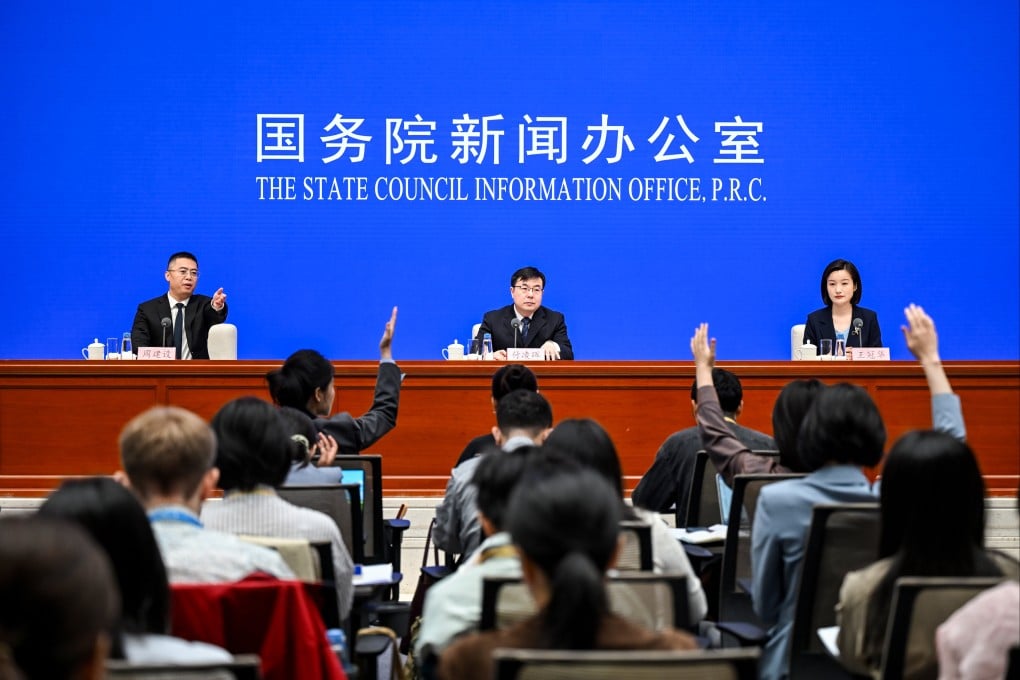
The State Council of China has announced a new set of regulations designed to govern outbound investments from the mainland, including to Hong Kong, Macau, and Taiwan. Effective from 1 July, these 34 articles require approval for the overseas transfer of goods, technologies, services, and data that fall under export controls.
This latest directive, dated 5 May but released recently, prohibits indirect transfers through cross-border technical personnel, consulting services, training programmes, and other related arrangements. This move comes as part of a broader strategy in which Beijing aims to respond aggressively to foreign entities deemed harmful to its national interests.
Notably, the regulations empower Chinese authorities to take retaliatory measures against foreign companies perceived to be jeopardising China's economic integrity. This includes sanctions on foreign entities that halt specific transactions with Chinese firms or enforce discriminatory practices against Chinese investors. According to officials, these actions will be “protective and defensive” and will not hinder typical market transactions or disrupt how businesses handle legal disputes.
Additionally, Chinese authorities indicated that these outbound investment guidelines would be updated in response to economic conditions and perceived risks in various nations. The framework will categorise international projects into three distinct classifications: encouraged, limited, or banned.
The enforcement of these new rules arrives after significant scrutiny in the tech sector, particularly following the blocking of Meta's planned acquisition of Manus, an artificial intelligence start-up previously headquartered in China but that relocated to Singapore. This incident underscores Beijing's increasing vigilance over technology transfers, reflecting its wider strategy to safeguard national security interests and maintain control over key industries.
With global investments continuing to fluctuate, market analysts are observing whether these regulations will further tighten China's grip on tech investments abroad. Industry leaders are now weighing the implications of compliance and the potential for retaliatory actions by Chinese authorities to impact future engagements with foreign entities. As the geopolitical landscape evolves, these regulations may set a precedent for future investment strategies between China and other nations.

Kerala Initiates Probe into 2006 Suicide Case Involving CEC

Extradition of Sheikh Hasina Feasible, Says Indian High Commissioner

Punjabi Makeup Artist Mad Sandhu Shot Dead in Amritsar

India Achieves Fourth Place at Asian Games 2026 Through Late Success