China Describes India Border as 'Generally Stable' Amid Tensions


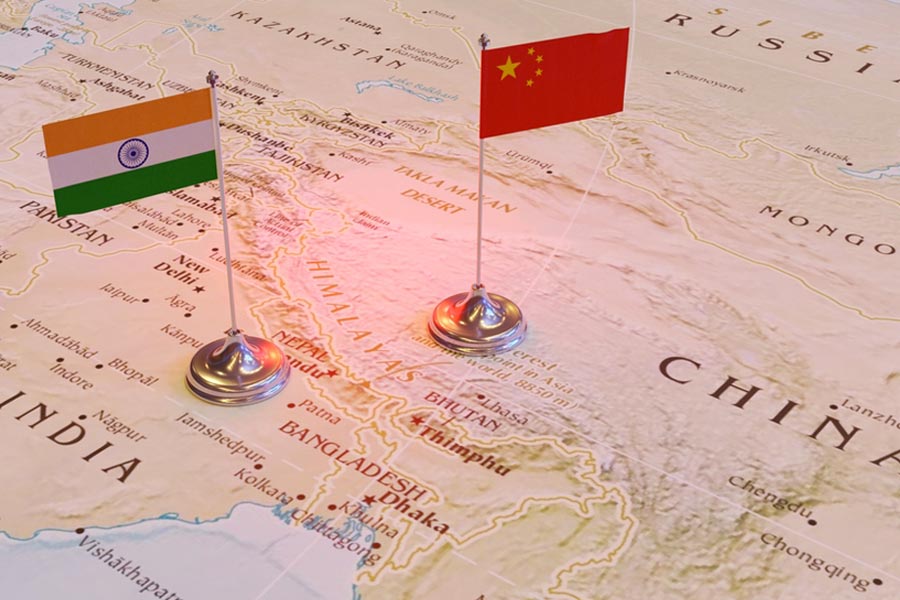
In recent developments, Chinese officials have characterised the situation along the India-China border as 'generally stable', amidst rising tensions particularly in Arunachal Pradesh. This statement comes at a crucial time when military posturing and diplomatic engagements continue between the two nations, underscoring the importance of the relationship.
Chinese Foreign Ministry spokesperson Mao Ning made the remarks during a press briefing, emphasising that both countries have maintained communication regarding border issues. Mao noted that the border situation has seen improvements, suggesting that the restoration of peace is a priority for both parties.
This declaration of stability contrasts with reports from the region that indicate potential strife, especially in Arunachal Pradesh, which has been a focal point of contention. Arunachal Pradesh is a northeastern state of India that China claims as part of its territory, a source of historical animosities between the two countries.
Tensions have escalated in the recent past due to various incidents, prompting concerns among analysts regarding the potential for conflict. However, China's insistence on a generally stable border suggests a desire to manage the situation through dialogue rather than confrontation. Experts suggest that both nations are aware of the consequences of escalated hostilities and may seek ways to prevent further deterioration.
The border dispute between India and China, one of the longest-running in the region, has seen both military and diplomatic engagements to navigate the complexities involved. While the Chinese government expresses a commitment to stability, the reality on the ground remains nuanced and closely monitored. The dynamics surrounding this situation will likely continue to evolve, with both sides keen on protecting their respective interests yet remaining open to negotiations.
In this context, the reaffirmation of a stable border could pave the way for further dialogue, although the underlying tensions will require sustained efforts to resolve longstanding issues. As both nations navigate their complex relationship, the global community remains attentive to developments in the region, given the broader implications for regional security.

Ceasefire Agreed in Oleshky Amid Ukraine's Humanitarian Crisis
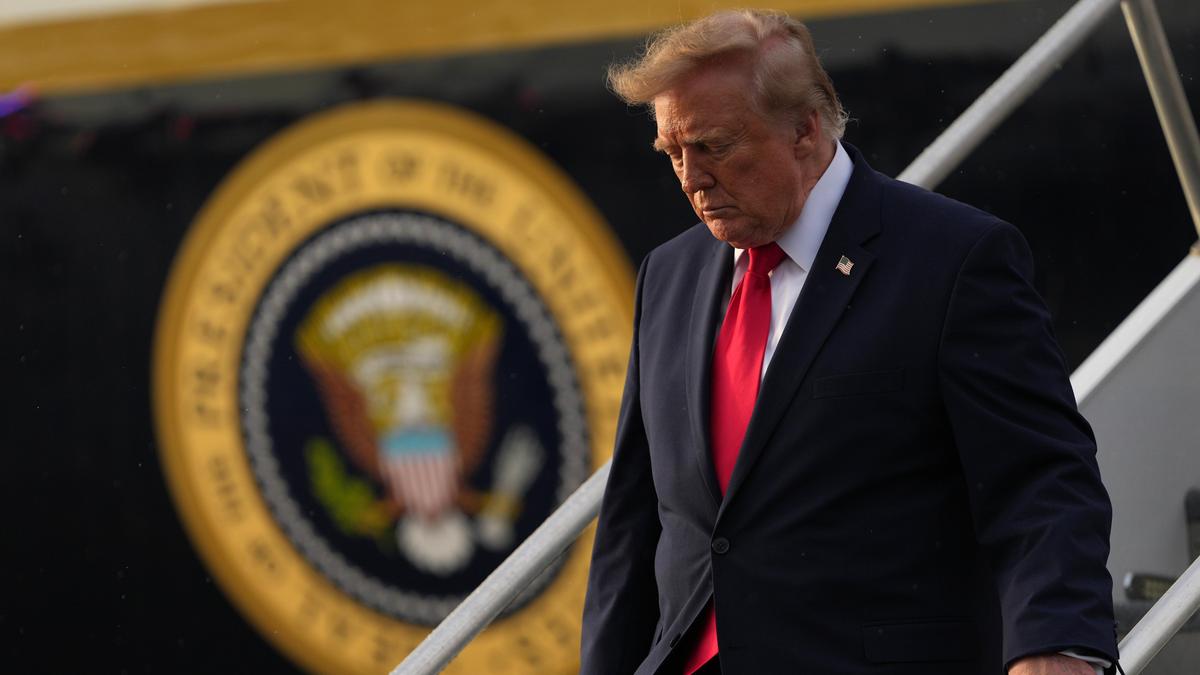
Donald Trump Hints at US Interest in Cuba After Conflict in Iran
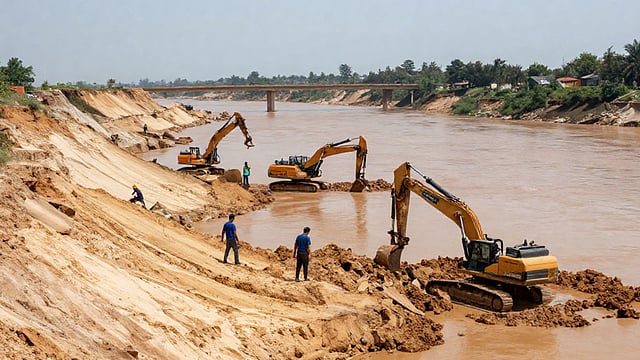
UK Court Rules Against India in RAKIA Investment Dispute
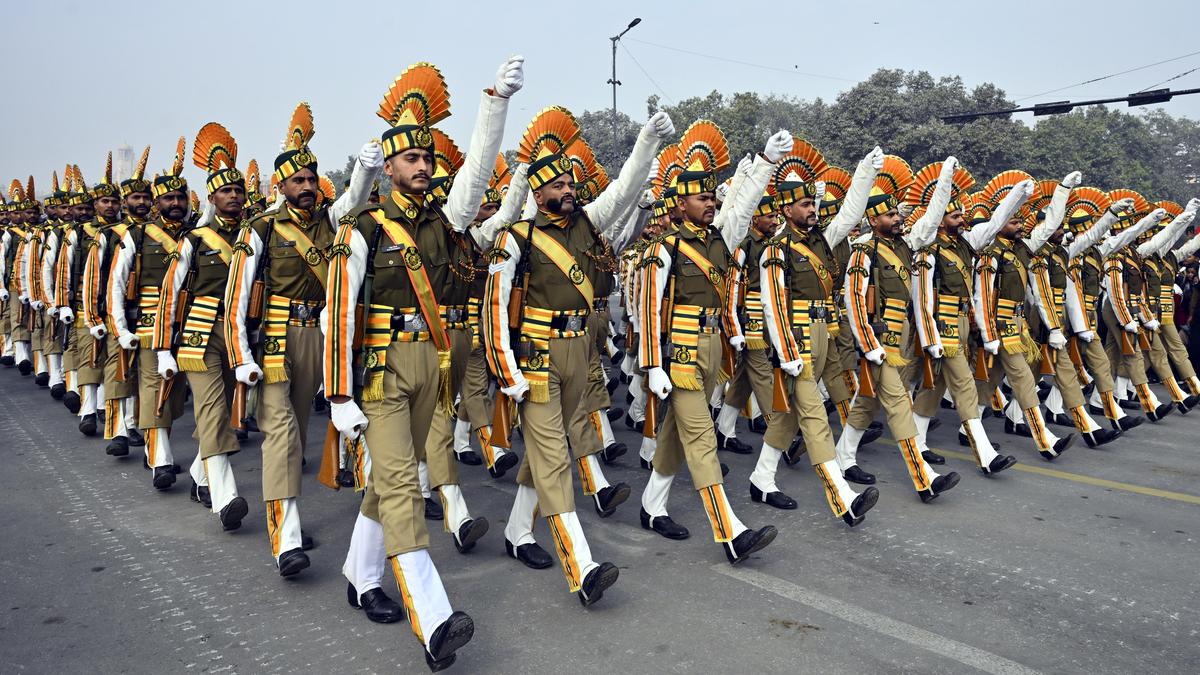
India Raises Concerns Over Chinese Border Patrolling Deviations