China Advances in EUV Lithography Technology Amid Challenges


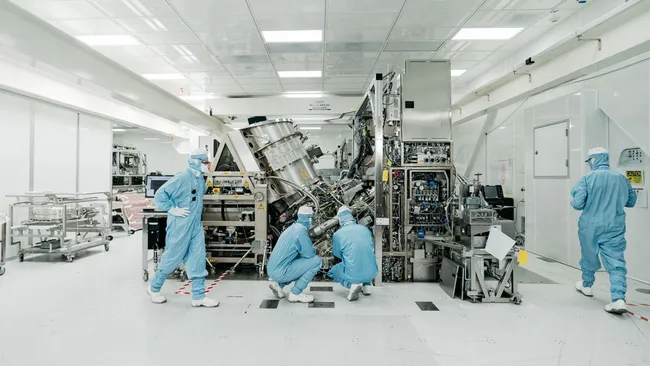
A clandestine laboratory in China has reportedly begun testing a prototype of an extreme ultraviolet (EUV) lithography system, a significant step towards replicating advanced semiconductor manufacturing technology. According to a report from Reuters, the project is believed to have involved reverse engineering equipment from ASML, a leading Dutch company in lithography technology.
The prototype, which was completed in early 2025, is located in Shenzhen and occupies nearly an entire factory floor. It is said to generate EUV light with a wavelength of 13.5 nanometres using a method called laser-produced plasma, similar to that used in ASML's Twinscan NXE machines. This approach differs from alternative techniques developed at Chinese institutions, suggesting a substantial reliance on foreign technology.
While the machine can produce EUV radiation, it is reportedly not yet capable of manufacturing usable chips. Analysts believe that the Chinese team is still years away from overcoming critical technical challenges, particularly in replicating the precision optical systems crucial for effective chip production. Some estimates suggest that the first prototype chips may not emerge until 2030, rather than the initially mentioned target of 2028.
The complexity of lithography systems cannot be overstated. They require a highly integrated combination of sophisticated light sources, advanced optics, and precise mechanical engineering. The Chinese lab's efforts reportedly include a team comprised of former ASML engineers and recent graduates, all working under stringent security measures, including the use of fake identification to avoid detection.
Despite these efforts, the path to achieving a fully operational EUV lithography tool is fraught with difficulties. The report does not specify which components of the optical system are causing delays, but it highlights the challenges posed by the intricate nature of EUV technology, which contains over 100,000 parts that must function together flawlessly.
ASML has acknowledged the challenges associated with replicating their technology, stating, “It makes sense that companies would want to replicate our technology, but doing so is no small feat.” This underscores the hurdles that China faces in its quest to become self-sufficient in semiconductor manufacturing.
Currently, the Chinese prototype is understood to be larger than existing commercial systems, yet its ability to produce chips remains uncertain. The absence of clear information regarding the power of the EUV light source and the maturity of other optical subsystems raises questions about the project's viability.
In summary, while China's secret laboratory has reportedly made progress in developing an EUV lithography system, substantial obstacles remain. The timeline for producing operational chips may extend well into the next decade, emphasising the complexities of semiconductor manufacturing and the significant knowledge gap that exists in this highly specialised field.
Trump and Xi Discuss Trade, AI, and Taiwan Amid Diplomatic Tensions

Xi Jinping Seeks Greater Concessions from Trump Amid Trade Talks

Iran's President Addresses Ongoing Conflict and External Threats
United States Invites Vladimir Putin to Miami G20 Summit