Central Banks Increase Gold Purchases as Russia and Turkiye Sell


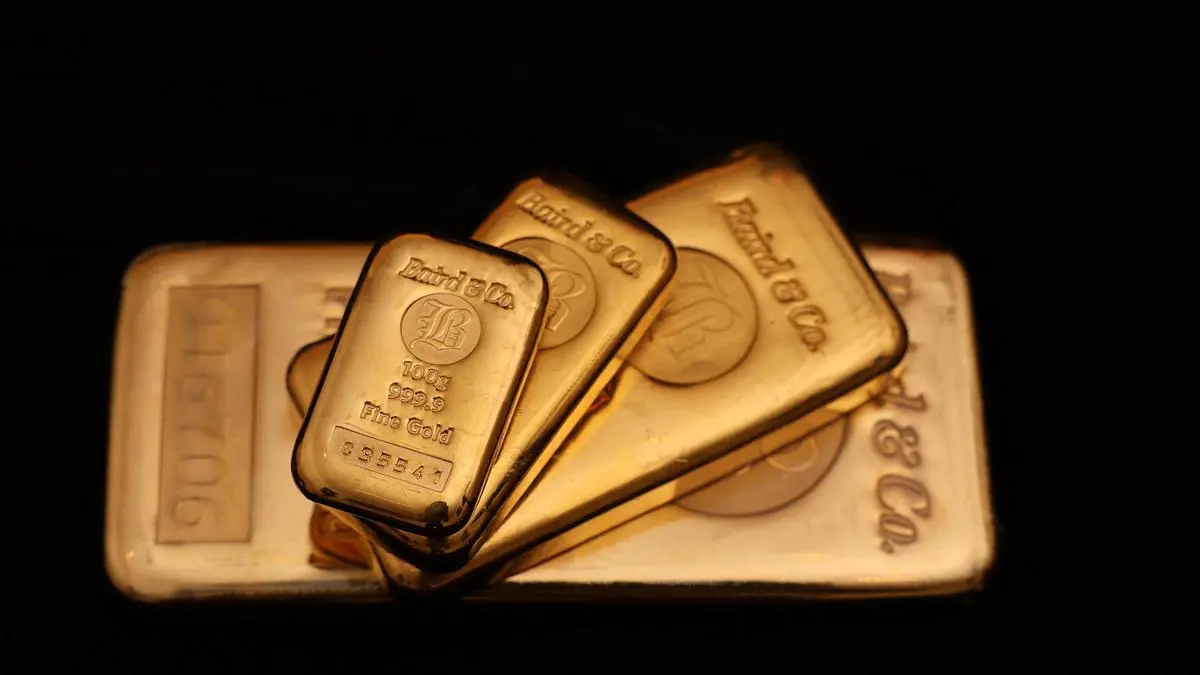
Gold purchases by central banks rose in February, primarily driven by strong buying from the National Bank of Poland and Uzbekistan. Data from the World Gold Council (WGC) indicated that central banks acquired a net total of 19 tonnes of gold during the month. The Polish central bank’s purchase of 20 tonnes marked a return to the market after a period of inactivity in January, representing its largest purchase since February 2025 when it acquired 29 tonnes.
Marissa Salim, senior research lead at the WGC for the Asia-Pacific region, noted that Poland's gold reserves now account for 31 per cent of its total reserves, amounting to 570 tonnes. The country aims to increase its gold holdings to 700 tonnes. Despite this push for gold accumulation, Adam Glapiński, the Governor of the National Bank of Poland, has suggested a potential strategy to generate approximately $13 billion through the sale of gold reserves, which he hopes would be followed by repurchasing gold to sustain reserves.
Meanwhile, other countries have continued to increase their gold reserves. The Czech Republic reported its 36th consecutive month of net purchases, with China continuing its trend for the 16th month. Uzbekistan, which has been actively buying gold for five months, added 8 tonnes in February, boosting its total gold reserves to 407 tonnes, which now constitutes 88 per cent of its total reserves. In addition, both the Czech Republic and Malaysia increased their holdings by 2 tonnes, while China and Cambodia purchased 1 tonne each.
In contrast, both Turkiye and Russia sold gold during February. Turkiye recorded a sale of 8 tonnes, while Russia's sales amounted to 6 tonnes, attributing to the most significant reduction in gold reserves for that month. Salim explained that Turkiye’s reduction appears to correlate with a decline in Treasury holdings rather than central bank reserves. However, active movements in March suggest that the Turkish central bank may have used around 50 tonnes of its gold reserves for liquidity and foreign exchange operations.
The Governor of the Central Bank of Turkiye, Fatih Karahan, indicated that a substantial portion of these transactions related to gold-currency swap futures, which implies that the gold sold may eventually return to the bank's reserves upon the maturity of the swaps.
Despite the fluctuations in buying and selling, the overall trend suggests that central banks remain net buyers of gold, continuing a longer-term strategy of accumulation. The current market dynamics reflect a mix of diversified strategies, with gold maintaining its status as a critical asset for many central banks, particularly amid global economic uncertainties.

Social Media Celebrates Mumbai Pilot Captain Smit Machchhar

Flydubai Co-Pilot's Iran Allegations Involve Trump and Netanyahu

France's Student Protests Escalate into Nationwide Unrest

Mamata Banerjee Criticises Election Chief Over Poll Irregularities