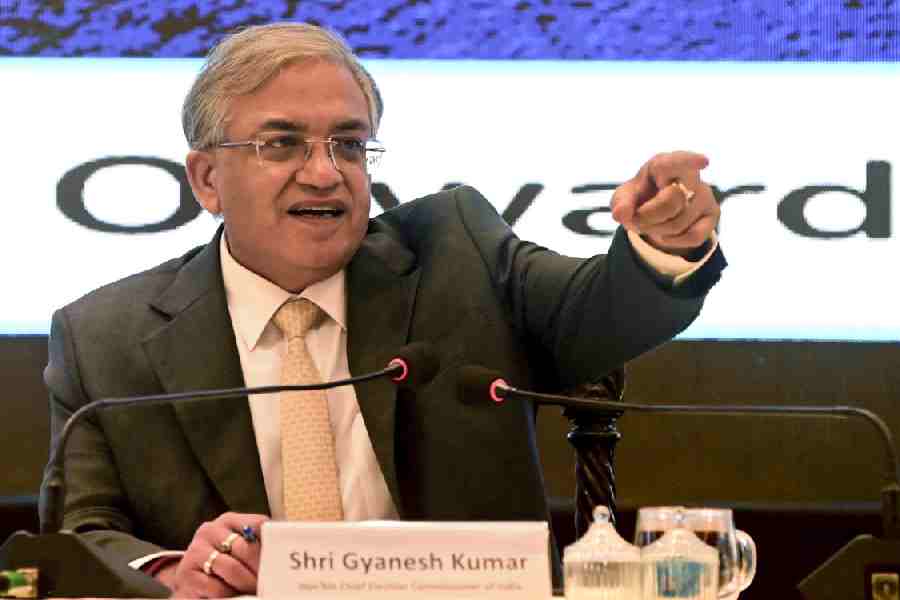
West Bengal Protests: Key Organiser Arrested Amid Rising Tensions


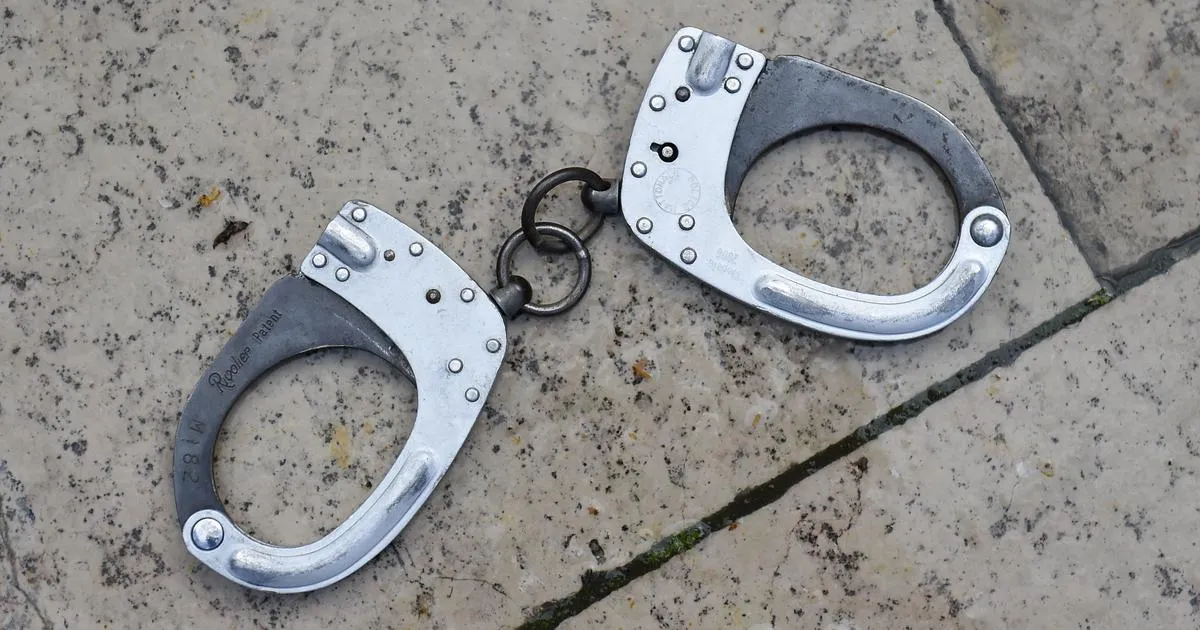
The West Bengal Police have arrested Moffakkerul Islam, a lawyer from Itahar in Uttar Dinajpur district, for allegedly coordinating a protest that escalated into the gherao, or hostage-taking, of judicial officers in Malda district on April 1. Police report that Islam was apprehended at Bagdogra Airport while attempting to leave the state.
Officials have stated that a total of 35 individuals have been arrested in relation to the incident which involved protests against suspected mass deletions of voters during recent electoral roll revisions. During the protest, approximately seven judicial officers, including three women, were held for several hours until their release after the intervention of the Chief Justice of the Calcutta High Court, Sujoy Paul.
In a separate report, the United States government has flagged concerns regarding India's online regulatory measures. The document, known as the 2026 National Trade Estimate Report on Foreign Trade Barriers, indicates that American companies have faced a growing onslaught of takedown requests from the Indian authorities since 2021. The report describes the motivations behind these requests as politically influenced.
According to the report, India's Information Technology regulations demand compliance that poses significant challenges to American stakeholders. The regulations reportedly place criminal liabilities on employees of firms that fail to meet compliance standards and impose unfeasible deadlines and procedures for takedown requests.
Beyond the situation in West Bengal, a judicial development in Rajasthan has also caught attention. The Rajasthan High Court struck out remarks it had initially made that were perceived as critical of the 2026 Transgender Persons Protection of Rights Amendment Bill. The court clarified that these views were unnecessary and included “by mistake.” The comments had addressed the amendment’s perceived removal of self-identified gender rights previously protected under the 2019 legislation.
Meanwhile, the Aam Aadmi Party (AAP) has experienced internal strife following the removal of party member Raghav Chadha as deputy leader in the Rajya Sabha. Following Chadha's claims that he was being silenced regarding serious national issues, party leaders Saurabh Bharadwaj and Atishi responded by questioning his commitment to challenging the government's policies.
Chadha's removal has sparked discussions within political circles about the current state of political discourse and dissent in India, particularly relating to how political parties engage with pressing national issues versus softer, less contentious topics.
As various political narratives unfold, the broader implications of these events on India's political landscape remain to be seen. The interaction between state regulation of free speech online and the judicial response in protests against governmental actions continue to underscore a climate of political contention and concern for civil liberties.

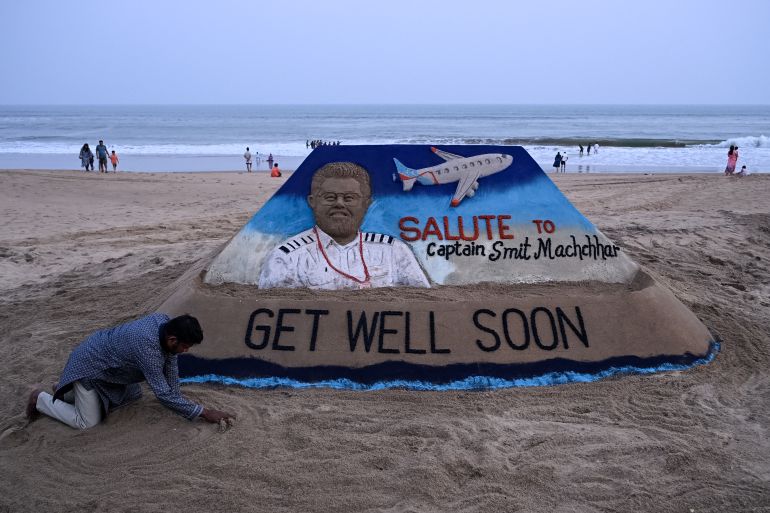
Social Media Celebrates Mumbai Pilot Captain Smit Machchhar
Flydubai Co-Pilot's Iran Allegations Involve Trump and Netanyahu
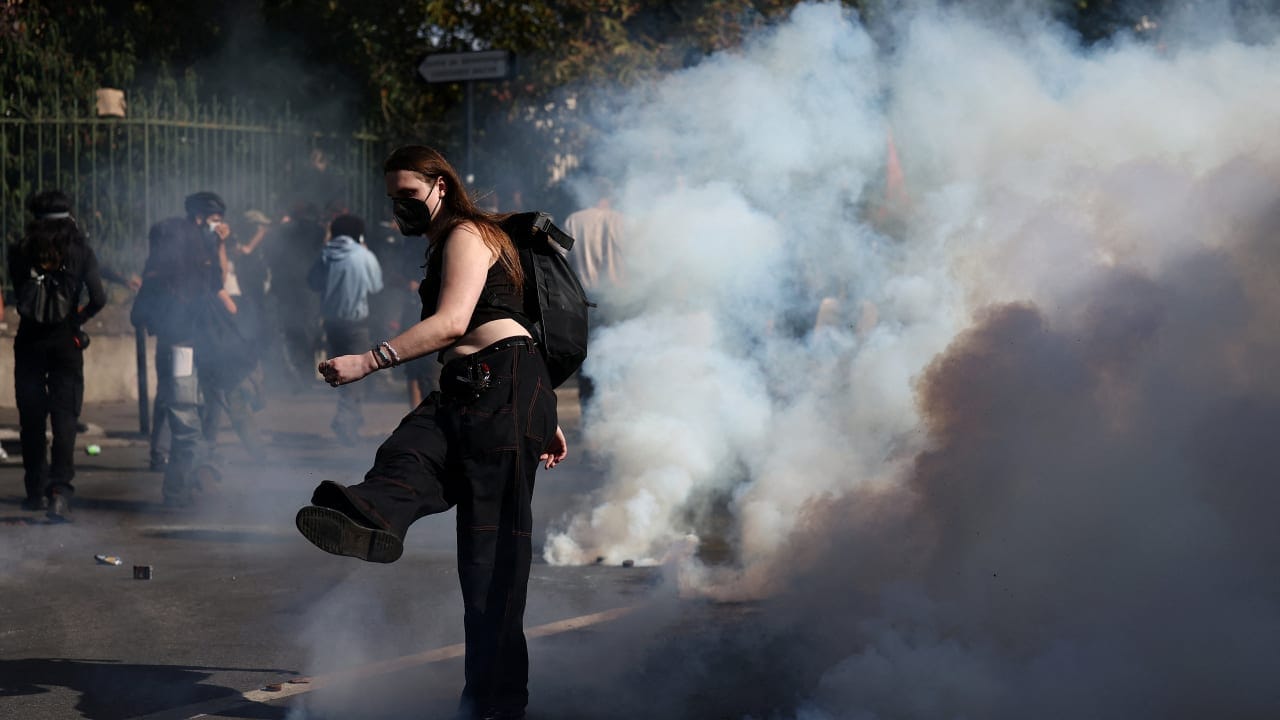
France's Student Protests Escalate into Nationwide Unrest
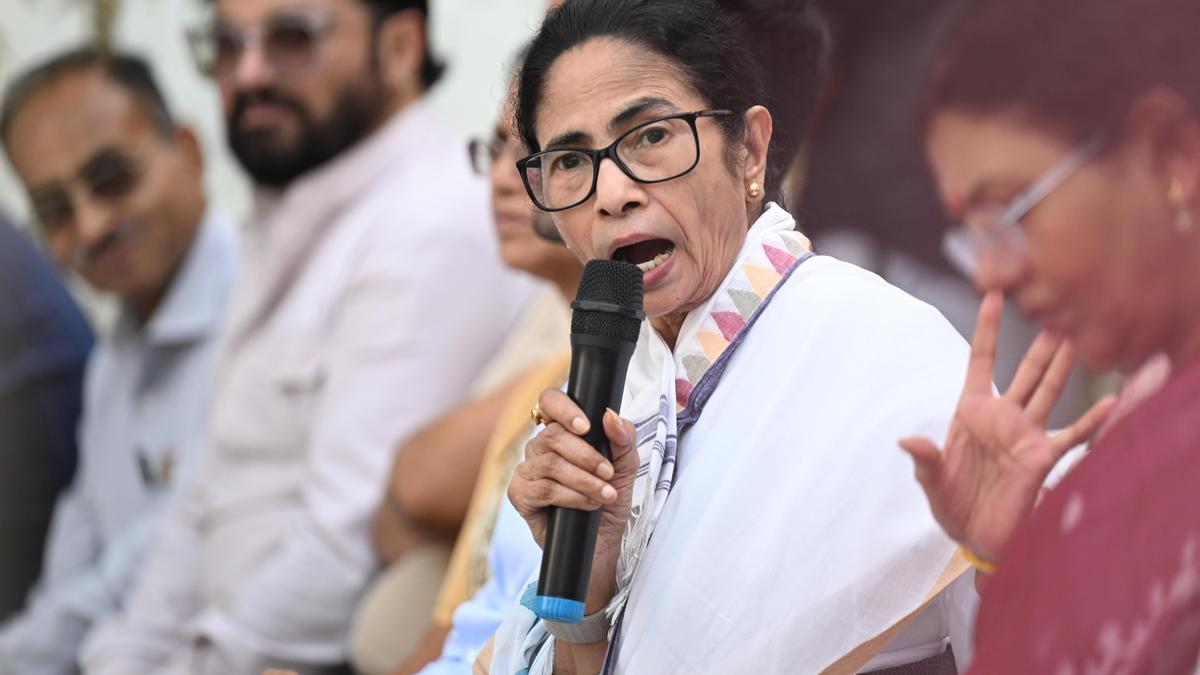
Mamata Banerjee Criticises Election Chief Over Poll Irregularities