Casualties Surge in Israeli Strikes on Lebanon Since 2023


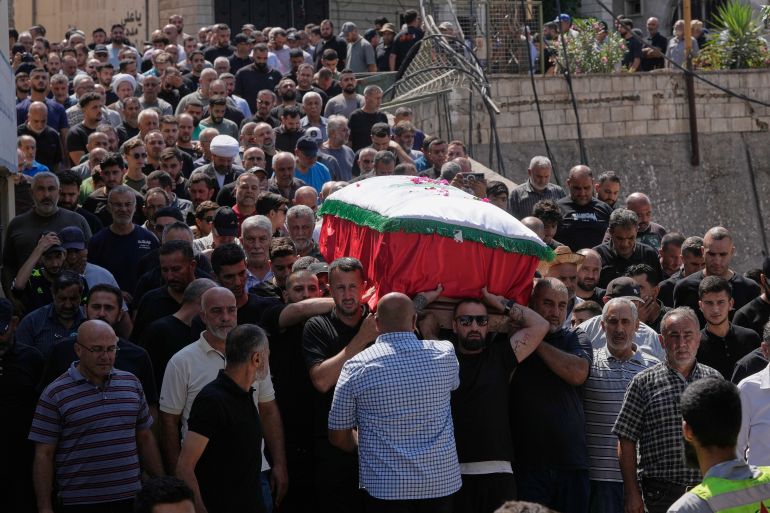
The ongoing conflict between Israel and Lebanon has resulted in severe casualties, with over 8,900 fatalities as of September 2026, according to the Lebanese Ministry of Public Health. The situation has aggravated since March 2023, with approximately 30,600 people reported injured due to Israeli strikes.
The death toll includes 4,358 fatalities and around 12,359 injuries recorded since March 2. Since that date, over 179 assaults aimed at ambulance services have resulted in the deaths of 135 healthcare professionals. This surge in violence represents a significant escalation in hostilities, particularly following an airstrike in Beirut on March 2 that claimed 31 lives after a Hezbollah rocket attack on northern Israel.
As of August 2026, the United Nations High Commissioner for Refugees (UNHCR) indicated that approximately 360,000 individuals remain displaced in Lebanon, with at least 22,000 seeking shelter in communal facilities. This displacement has occurred despite two peace agreements brokered by the United States in June 2026, aimed at curbing violence. However, these agreements have not yet resulted in a cessation of hostilities.
In March 2026, Israel announced plans to establish a military 'buffer' zone in southern Lebanon, which has since seen continued incursions and airstrikes. The framework agreement signed on June 26 was conditional upon Hezbollah disarming, a demand that has been categorically rejected by Hezbollah's leadership.
On September 6, an airstrike in Kfar Reman resulted in the deaths of three individuals and injuries to 23 others. The Israeli military claimed the attack targeted suspected Hezbollah operatives using tunnels beneath strategically relevant infrastructure, such as the Ali al-Taher bridge. Reports from Lebanon's National News Agency indicated that multiple towns in the Tyre and Nabatieh districts were also subjected to Israeli bombardment, although no casualties were recorded in those instances.
Further escalating tensions, the Israeli Defence Forces (IDF) issued evacuation orders for southern Lebanese locations, citing the presence of Hezbollah targets. Lieutenant Colonel Ella Waweya announced via social media that residents near identified buildings should evacuate immediately due to planned military actions against Hezbollah facilities.
Amidst these developments, Israeli Prime Minister Benjamin Netanyahu has expressed his determination to counter perceived threats, alluding to ongoing Israeli operations against Hezbollah and the Iranian influence in the region. He described the current military posture as the strongest in Israel's history, aiming towards significant changes in the geopolitical landscape of the Middle East.
As conflicts persist, calls for new diplomatic efforts and stability in the region continue to be urged, with Lebanon's leadership seeking assistance to address the humanitarian crisis and the ongoing violence, which jeopardizes the safety of civilians.
Kerala Initiates Probe into 2006 Suicide Case Involving CEC

Extradition of Sheikh Hasina Feasible, Says Indian High Commissioner

Punjabi Makeup Artist Mad Sandhu Shot Dead in Amritsar

India Achieves Fourth Place at Asian Games 2026 Through Late Success