Cardiologist Highlights Limitations of Smartwatches for Heart Health


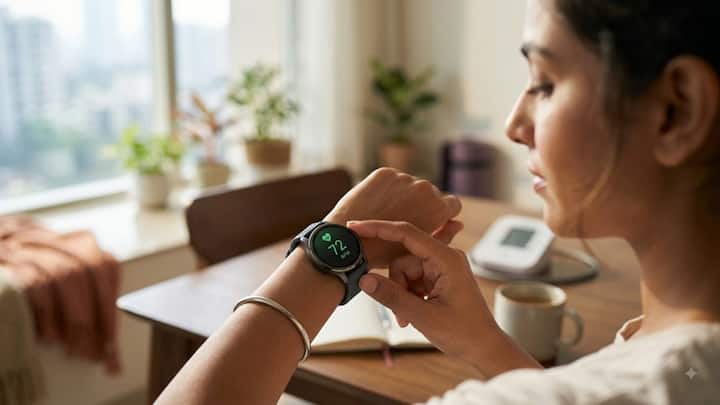
Wearable technology, especially smartwatches, has notably changed how individuals track their health, particularly in monitoring their heart rates. In recent years, patients often mention receiving alerts about their heart rate or fitness metrics during medical consultations.
Consultant Cardiologist Dr Paul Hill, based in Cork, Ireland, underscores the importance of these devices but highlights their limitations. He notes that while smartwatches can identify potential issues, such as irregular heart rhythms or elevated heart rates, they do not diagnose conditions.
Dr Hill observes a significant shift in patient attitudes. Many now approach their healthcare with a proactive mindset, asking informed questions and seeking advice sooner based on data from their devices. "I’ve seen wearable technology help identify heart rhythm problems, including atrial fibrillation," he states, underscoring its role in earlier diagnosis and intervention.
Nonetheless, the cardiologist issues a cautionary note. Despite the wealth of information available, users may misunderstand what the data signifies. Reports of low resting heart rates or unexpected fluctuations can lead to unnecessary anxiety. Context is critical, he points out, as the interpretation of data from wearables requires a thorough understanding of individual health histories.
A noteworthy case involved a sports player whose smartwatch indicated an unusually high heart rate long after exercising. While the device raised concerns, it served to expedite the player's medical examination at the Mater Private Hospital Cork.
Dr Hill emphasises that the correlation between fitness and heart health is not always straightforward. For instance, elite athletes often exhibit signs such as very low resting heart rates due to their rigorous training. However, this does not guarantee heart health; long-term endurance sports may contribute to specific heart rhythm issues in some individuals.
Despite these complexities, Dr Hill remains optimistic about the trend of exercise among people of all ages, particularly those in their middle years. Physical activity, he reassures, remains one of the most effective ways to enhance cardiovascular health.
Another key piece of advice from Dr Hill is to foster a balanced approach to exercise. He warns against the increasing obsession with performance metrics, suggesting that sometimes the best thing a person can do is simply enjoy their activity without the pressure of constant optimisation.
The cardiologist is also concerned about the growing trend of performance tracking among younger athletes, citing the need to balance enjoyment with competitiveness in sports.
In the context of health information, patients frequently seek guidance on fads, diets, and supplements they encounter online. Dr Hill underscores the importance of differentiating between scientifically-backed information and marketing tactics. He aims to support individuals in understanding what advice is genuinely beneficial for them.
In conclusion, Dr Hill advocates for the continued use of smartwatches as tools for encouraging activity and seeking medical consultation when necessary. He stresses that while these devices provide valuable data, they cannot replace professional medical assessment.
Ultimately, he believes in the positive trend of individuals taking charge of their health, fostering a more engaged and informed patient base in matters of heart health. The challenge moving forward lies in utilising the available information wisely and ensuring that the benefits of data collection enhance, rather than hinder, overall well-being.

SCO National Coordinators' Meeting Begins in Islamabad, Pakistan

Campus Violence at Punjab University Sparks National Debate

Protests Erupt Over Mosque Demolition for Road Widening in Ujjain

Rahul Gandhi Questions Voter Deletions During Visit to Bela Estate