Canada's Prime Minister Responds to New U.S. Tariffs on Goods


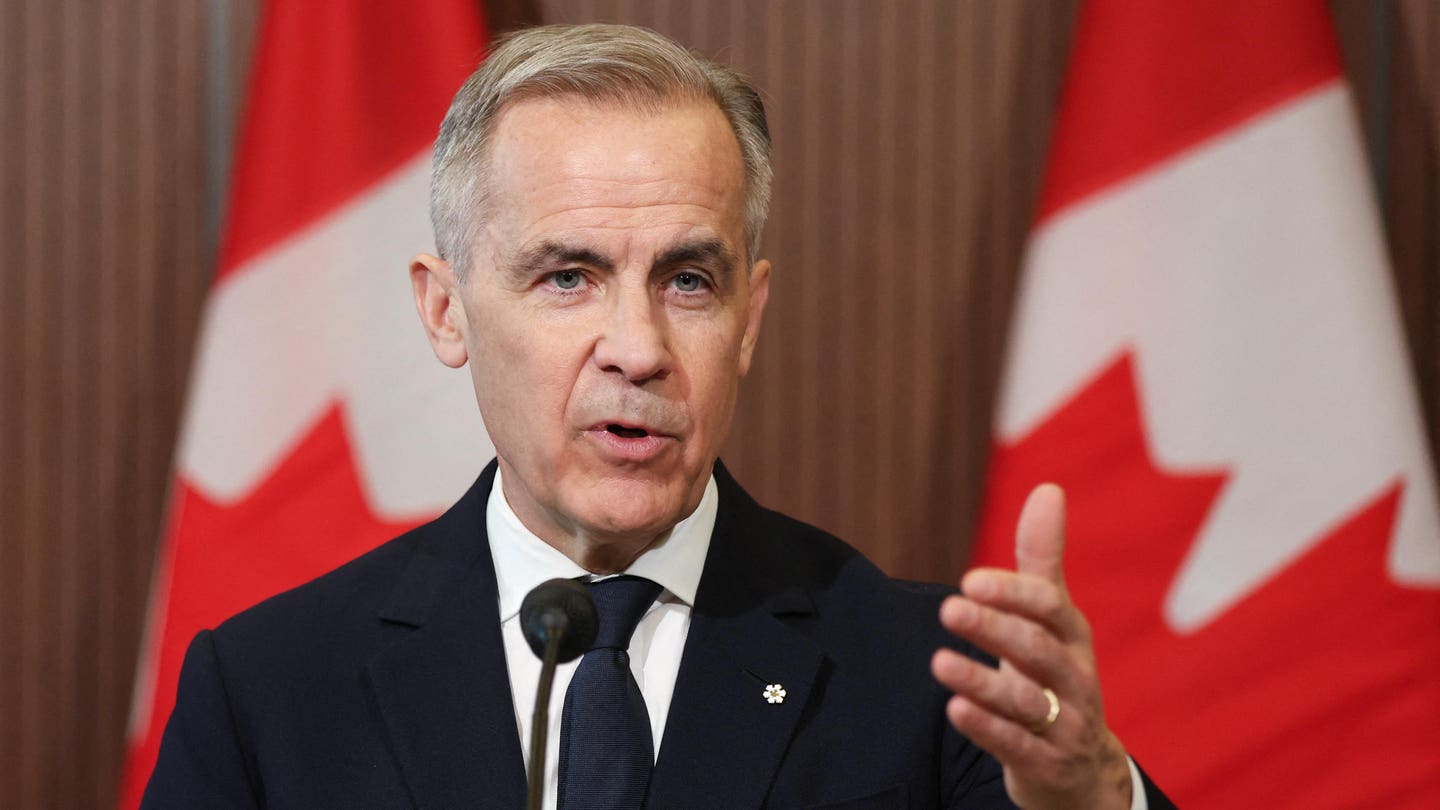
Canadian Prime Minister Mark Carney has expressed concern over the recent imposition of a 50% tariff by U.S. President Donald Trump on various Canadian goods. According to Carney, these tariffs breach the North American free trade agreement and represent another unilateral action by the United States.
The tariffs, which cover items such as wine, dairy products, cement, furniture, and ice hockey equipment, were announced on Monday and are set to take effect in 30 days. They were implemented under the provisions of Section 338 of the Tariff Act of 1930. This law allows the U.S. President to impose tariffs of up to 50% on nations accused of discriminating against U.S. goods. The White House stated that these tariffs are a response to perceived discrimination against American-made cars, alcohol, and dairy products from Canada.
In a public statement, Carney noted that these tariffs are part of a broader pattern of U.S. actions that contradict the United States–Mexico–Canada Agreement, which Trump helped negotiate during his presidency. He remarked that Canada has only taken reciprocal measures in response to earlier U.S. tariffs on the automotive sector.
Despite the escalating tensions, Carney indicated that Canada is willing to engage in discussions to resolve existing issues. He remarked, "Canada has made a series of detailed and comprehensive proposals to resolve this dispute and to modernise CUSMA. We stand ready to intensify those discussions in the coming weeks."
Carney also highlighted the negative impact these trade disputes have on families in both countries, stating, "This trade dispute has raised costs for families, particularly in the U.S."
Ontario Premier Doug Ford has previously criticised Trump's tariffs, arguing for a retaliatory approach if they are enacted. Ford stated on social media, "I’ll never stop fighting to protect Ontario. If these tariffs proceed, Canada should respond tariff for tariff, dollar for dollar."
In response to the tariffs, U.S. Trade Representative Jamieson Greer condemned the Canadian government's actions, claiming, "Canada, unlike other partners and allies, continues to retaliate against the United States for its efforts to rebalance trade and protect U.S. industry in national-security sensitive sectors."
As the situation evolves, the U.S. administration has also scheduled talks with Mexican trade negotiators to discuss possible revisions to the United States-Mexico-Canada Agreement. These meetings follow the U.S.'s decision not to renew the agreement in its current form earlier this month. Without an agreement among the three nations, the trade pact is slated to expire by July 2036.
Kerala Initiates Probe into 2006 Suicide Case Involving CEC

Extradition of Sheikh Hasina Feasible, Says Indian High Commissioner

Punjabi Makeup Artist Mad Sandhu Shot Dead in Amritsar

India Achieves Fourth Place at Asian Games 2026 Through Late Success