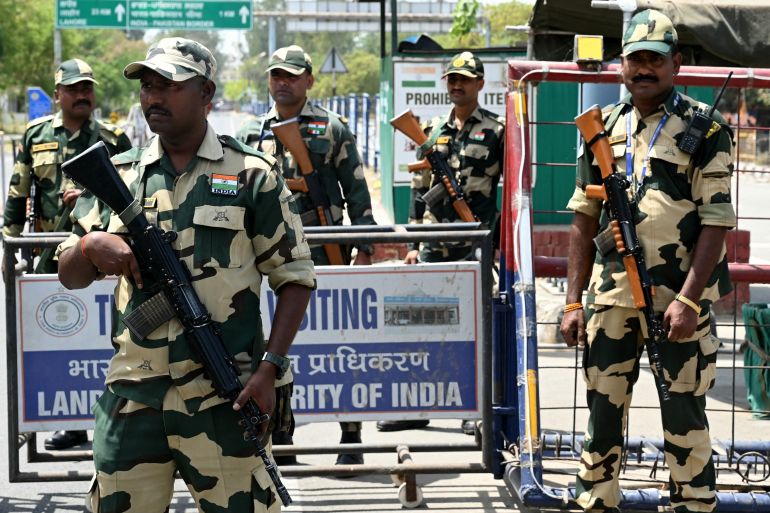
BRICS Faces Challenges Ahead of New Delhi Summit


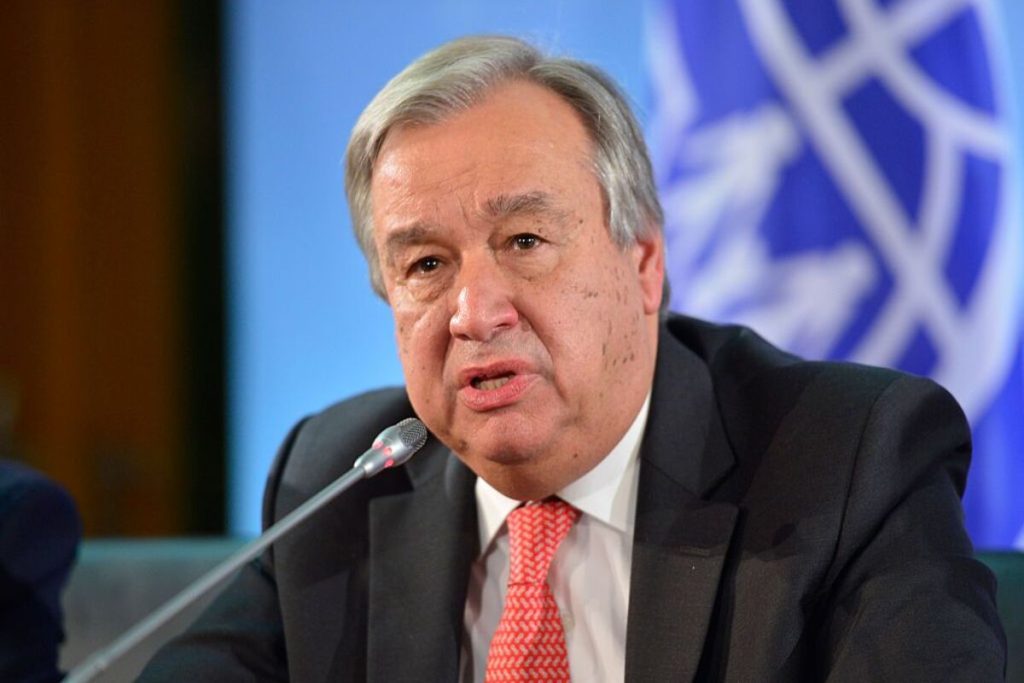
The BRICS grouping, which includes Brazil, Russia, India, China, and South Africa, has seen significant expansion recently, but it now faces several challenges as leaders prepare for an upcoming summit in New Delhi on September 12. At the last summit in Johannesburg, five new nations—Egypt, Ethiopia, Indonesia, Iran, and the United Arab Emirates—joined BRICS, increasing its core membership from five to ten. This expansion initially signalled a rising influence for the global south. However, concern is mounting about whether the group can maintain cohesion and effectiveness. Host nation India has crafted a comprehensive agenda titled ‘Building for Resilience, Innovation, Cooperation and Sustainability’ to guide the discussions. Yet, the very success of this initiative is now overshadowed by emerging tensions stemming from the rapid expansion. Newly included members Egypt and Ethiopia declined to support South Africa's bid for a reformed United Nations Security Council, sparking fears of discord within the group. This situation is unprecedented, as previous foreign ministers’ meetings had always resulted in unified statements. In May 2026, the group again failed to agree on a common response during a follow-up meeting after an earlier dissolution. This discord was exacerbated by escalating military conflicts, notably involving the United States, Israel, and Iran. Tensions related to a joint military exercise conducted by South Africa with Russia, China, and Iran brought further friction, drawing criticisms from the United States and leading to internal scrutiny over South Africa's compliance with its directive to exclude Iranian forces. Despite these contentious moments, analysts argue it would be premature to label BRICS as a failure. Since its inception in 2006, the group has succeeded in creating a representative platform for much of the global south and now exceeds the G7 in economic output. In addition to addressing issues of geopolitical competition, India’s chairmanship is focused on practical initiatives that align with its vision for BRICS. Goals include tackling climate change and fostering innovation, necessitating cooperation among all member states. Yet, competing priorities persist, with the relationships between India, China, and Russia evolving under the pressure of international dynamics. Prime Minister Narendra Modi aims to navigate these complexities, striking a balance that preserves BRICS’s relevance while resisting any alignment solely with China or an anti-Western sentiment. As China’s involvement grows, scrutiny increases regarding India’s reluctance to endorse initiatives such as the proposed common BRICS currency. This hesitation is rooted in apprehension that financial structures could be disproportionately influenced by Chinese interests, further complicating BRICS’s functioning. As India prepares for the summit, the outcome of bilateral meetings between Prime Minister Modi and key leaders, including China's Xi Jinping and Russia's Vladimir Putin, will significantly impact the group's trajectory. The gathering presents an opportunity for regional cooperation to be reaffirmed amidst challenges, but the tensions must be addressed to ensure BRICS can evolve effectively moving forward.
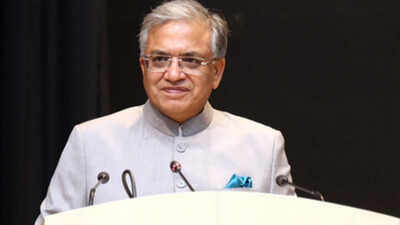
Kerala Initiates Probe into 2006 Suicide Case Involving CEC
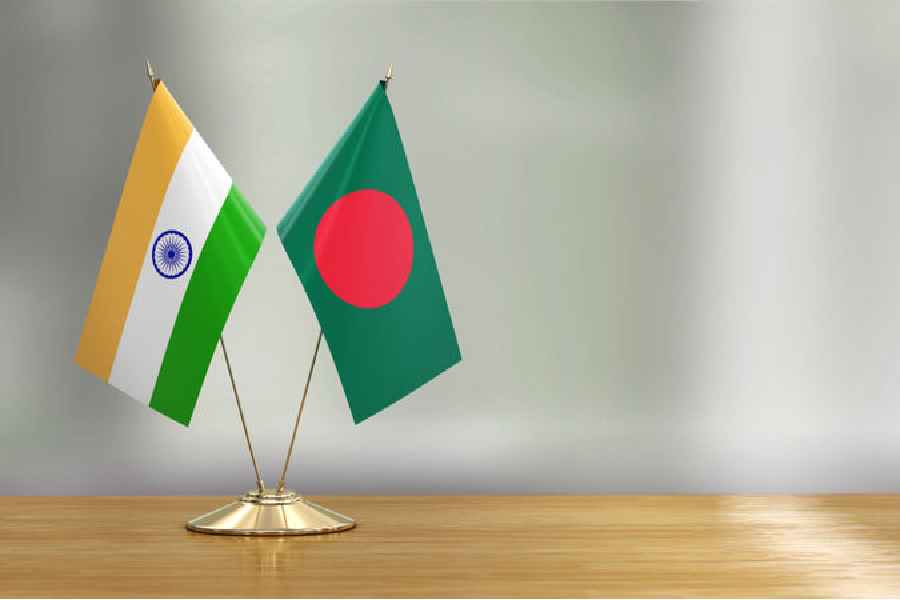
Extradition of Sheikh Hasina Feasible, Says Indian High Commissioner

Punjabi Makeup Artist Mad Sandhu Shot Dead in Amritsar
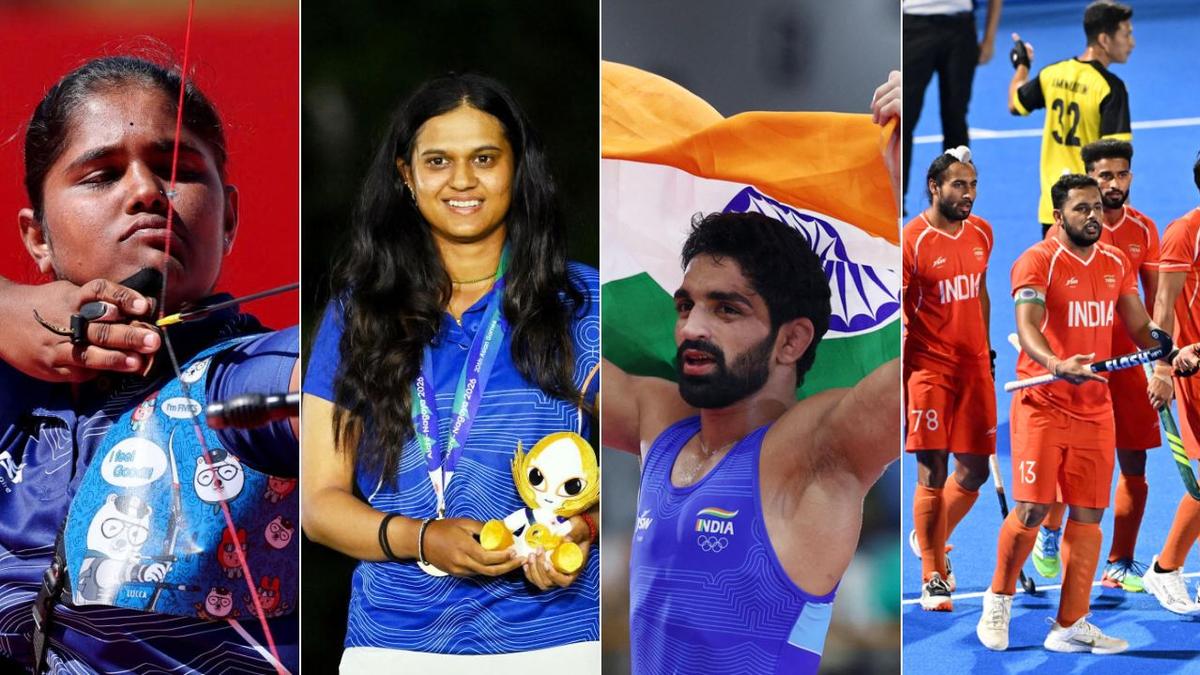
India Achieves Fourth Place at Asian Games 2026 Through Late Success